Ayurvedic Monsoon Routines, Saffron Mood Trials, and Fenugreek Metabolism
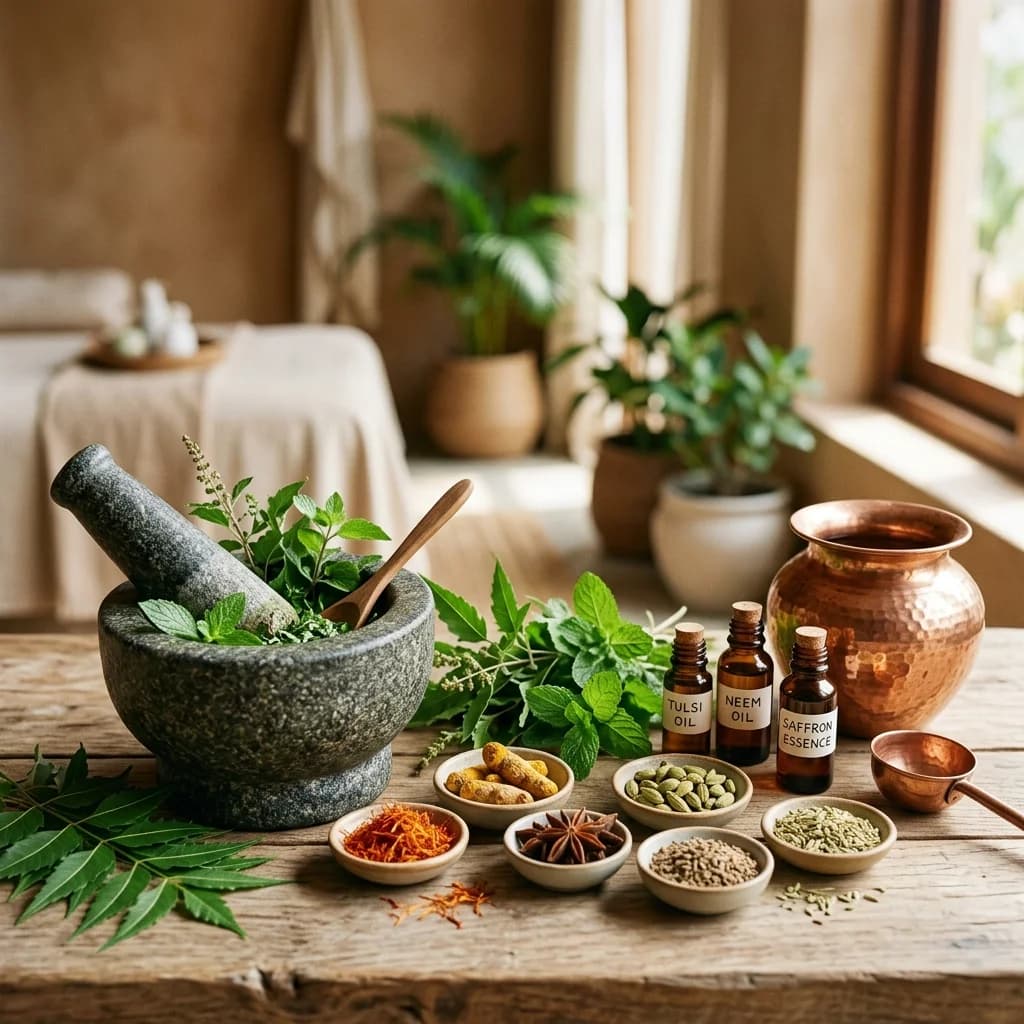
Ayurvedic Monsoon Routines, Saffron Mood Trials, and Fenugreek Metabolism
As the seasons transition and environmental humidity rises, aligning our internal rhythms with nature becomes essential for maintaining physical and mental homeostasis. This week, we explore the scientific underpinnings of traditional Ayurvedic monsoon routines, clinical trials validating saffron as a potent cognitive and emotional adaptogen, and the latest research demonstrating fenugreek's efficacy in metabolic health. By merging classical wisdom with rigorous modern science, we gain practical tools to optimize our digestion, mood, and endocrine function.
🌿 Seasonal Chronobiology: The Science of Varsha Ritucharya
Ayurvedic preventive medicine is built upon the concept of Ritucharya—seasonal guidelines designed to maintain doshic balance amidst changing environments. As we enter the rainy season, known as Varsha Ritu (typically mid-July to mid-September), classical texts warn that the body’s digestive fire (Agni) is naturally at its weakest. The high humidity and damp cold accumulate Vata dosha while predisposising Pitta dosha to vitiation. According to traditional physiology, this environmental dampness slows down metabolic processes, leading to the accumulation of Ama (metabolic toxins) and leaving the body highly susceptible to seasonal illness and digestive distress.
Modern chronobiology and chrononutrition research provide a fascinating biological explanation for these seasonal shifts. Clinical evaluations of human physiological cycles show that environmental parameters—such as ambient temperature, photoperiod, and humidity—directly influence metabolic rates, gastrointestinal motility, and hormone production. High humidity reduces the efficiency of the body's thermoregulatory mechanisms, which can lead to a slight decrease in the activity of key digestive enzymes and a slowing of gastric emptying. This scientific finding directly validates the traditional Ayurvedic observation that digestive capacity (Agnibala) is compromised during the monsoon.
Furthermore, recent studies in gastroenterology suggest that our gut microbiota exhibit seasonal rhythmicity, shifting in composition based on environmental triggers and dietary adaptations. During humid seasons, shifts in the Firmicutes-to-Bacteroidetes ratio can occur, which may compromise gut barrier integrity and lower systemic immunity. To counter these changes, Varsha Ritucharya prescribes a diet focusing on Ushna (warm), Laghu (light), and Snehana (mildly oily) foods. The traditional recommendation to boil water and medicate it with warming digestive spices like ginger, cumin, and coriander serves a dual purpose: it stimulates metabolic fire (Dipana) while eliminating potential waterborne pathogens that thrive in wet conditions. By adjusting our diet to support a compromised gut barrier, we can preserve metabolic health and maintain seasonal immunity.
🧠 Saffron (Kumkuma): Clinical Trials Validate the Neuroprotective Adaptogen
Saffron, harvested from the delicate stigmas of Crocus sativus and known as Kumkuma or Kesar in Ayurvedic pharmacology, is historically classified as a Rasayana (rejuvenative tonic) and Medhya (cognitive-enhancing) herb. With a cooling energy (Sheeta Veerya) and a sweet post-digestive effect (Madhura Vipaka), saffron is unique in its ability to balance all three doshas, with a particular affinity for pacifying Pitta. In traditional medicine, it is used to nourish the nervous system (Majja Dhatu), clear the channels of the mind, and balance Sadhaka Pitta—the sub-dosha of Pitta centered in the heart and brain that governs emotions, self-esteem, and cognitive processing.
Over the past few years, modern psychiatric research has turned its attention to saffron to evaluate its efficacy for psychological and neurological health. A landmark systematic review and meta-analysis published in early 2026 consolidated data from 34 randomized controlled trials (RCTs) involving 1,769 adult participants. The researchers found that standardized saffron supplementation led to a statistically significant reduction in both depression and anxiety symptoms, measured via the Beck Depression Inventory (BDI) and the Beck Anxiety Inventory (BAI). The therapeutic efficacy of saffron extract was found to be comparable to standard low-dose pharmaceutical antidepressants, but with a significantly lower incidence of side effects like dry mouth or sexual dysfunction.
Complementing this meta-analysis is a randomized, double-blind, placebo-controlled clinical trial published in Frontiers in Nutrition in June 2026. This study evaluated the effects of a standardized saffron extract (Affron®) on 86 menopausal and post-menopausal women. Over a 12-week period, participants receiving 28 mg of daily saffron extract demonstrated substantial improvements in mood, sleep quality, and self-esteem compared to the placebo group. Mechanistic research suggests that saffron’s primary active carotenoids—crocin and crocetin—along with the volatile compound safranal, act as natural monoamine reuptake inhibitors, increasing synaptic concentrations of serotonin, dopamine, and norepinephrine while simultaneously reducing neuroinflammation. These findings offer robust clinical confirmation of saffron's traditional role in balancing Sadhaka Pitta and stabilizing emotional well-being.
🌱 Fenugreek (Methi): Herbal Science Backs Glycemic Control and Metabolic Health
Fenugreek (Trigonella foenum-graecum), commonly known as Methi in Sanskrit and Hindi, is a vital culinary spice and medicinal herb in Ayurveda. Characterized by its bitter and pungent tastes (Tikta-Katu Rasa), heating potency (Ushna Veerya), and pungent post-digestive effect (Katu Vipaka), it is traditionally used to pacify Kapha and Vata doshas. In Ayurvedic therapeutics, Methi is classified as a potent stimulant of digestive fire (Agni) and is frequently indicated in the management of Madhumeha (type 2 diabetes, literally translated as "sweet urine") and other Prameha (metabolic and urinary disorders). Its bitter taste is understood to naturally dry up excess moisture and counter the sweetness associated with metabolic imbalances.
Recent clinical research and systematic reviews published in late 2025 and early 2026 strongly support this traditional metabolic application. Multiple meta-analyses of randomized controlled trials have demonstrated that daily fenugreek seed supplementation significantly improves key glycemic parameters in individuals with Type 2 diabetes. The consolidated data shows significant reductions in Fasting Blood Glucose (FBG), 2-hour Postprandial Glucose (2hPPG), and glycosylated hemoglobin (HbA1c), which indicates improved long-term glycemic management.
The physiological mechanisms behind fenugreek's antidiabetic effects are highly sophisticated. The seeds are exceptionally rich in soluble dietary fiber, specifically galactomannan, which forms a gel-like substance in the gastrointestinal tract, delaying gastric emptying and slowing the absorption of glucose. Additionally, fenugreek contains a unique, non-proteinogenic amino acid called 4-hydroxyisoleucine. This bioactive compound directly stimulates glucose-dependent insulin secretion from pancreatic beta cells and enhances insulin sensitivity in peripheral tissues like skeletal muscle. Clinical studies also indicate that fenugreek improves lipid profiles by lowering low-density lipoprotein cholesterol (LDL-C) and triglycerides while preserving high-density lipoprotein (HDL-C). By targeting multiple metabolic pathways, fenugreek represents a scientifically validated, affordable, and safe complementary therapy for metabolic syndrome.
📌 The Bottom Line
- monsoon-ritucharya: Waking early, drinking boiled ginger water, and consuming light, warm meals during the humid monsoon season helps protect a naturally weakened digestive fire (Agni) and stabilizes seasonal gut microbiome fluctuations.
- saffron-mood: A comprehensive 2026 meta-analysis and a recent clinical trial confirm that standardized saffron extract (Crocus sativus) significantly reduces anxiety and depression, and improves menopausal mood and sleep quality by modulating key neurotransmitters.
- fenugreek-metabolism: Modern clinical trials validate the traditional use of fenugreek (Methi) seeds for diabetes, demonstrating that its fiber content and active compounds significantly lower HbA1c, fasting glucose, and postprandial blood sugar levels.
Disclaimer: The information provided in this post is for educational and informational purposes only. It is not intended to be a substitute for professional medical advice, diagnosis, or treatment. Always seek the advice of your physician or other qualified health provider with any questions you may have regarding a medical condition.
Enjoyed this post?
Get our weekly digest delivered free.
Share this post:
Knowelth is reader-supported. We may earn a commission from links in this article at no extra cost to you. Read our disclosure.
Related Posts
Systems Biology, Circadian Dinacharya, and Gut-Agni Chrono-Nutrition: The Science Validating Ayurvedic Medicine
Systems Biology, Circadian Dinacharya, and Gut-Agni Chrono-Nutrition: The Science Validating Ayurvedic Medicine Modern healthcare is undergoing a paradigm shift from reductionist single-molecule thera…
Clinical Validation in Ayurveda: Cardiometabolic Formulations, Chrononutrition Agni Science, and Ayurgenomics in Ovarian Reserve
Clinical Validation in Ayurveda: Cardiometabolic Formulations, Chrononutrition Agni Science, and Ayurgenomics in Ovarian Reserve Traditional Indian medicine is undergoing a profound scientific renaiss…

Ayurveda Meets Systems Biology: Agni, Chronomedicine, and Botanical Synergy in Modern Clinical Science
Ayurveda Meets Systems Biology: Agni, Chronomedicine, and Botanical Synergy in Modern Clinical Science The 2025–2026 wave of systems biology research has made an unambiguous statement: the three pilla…