The Maratha Navy under Sarkhel Kanhoji Angre: Asymmetric Littoral Warfare, Gurabs & Galbats in the Arabian Sea
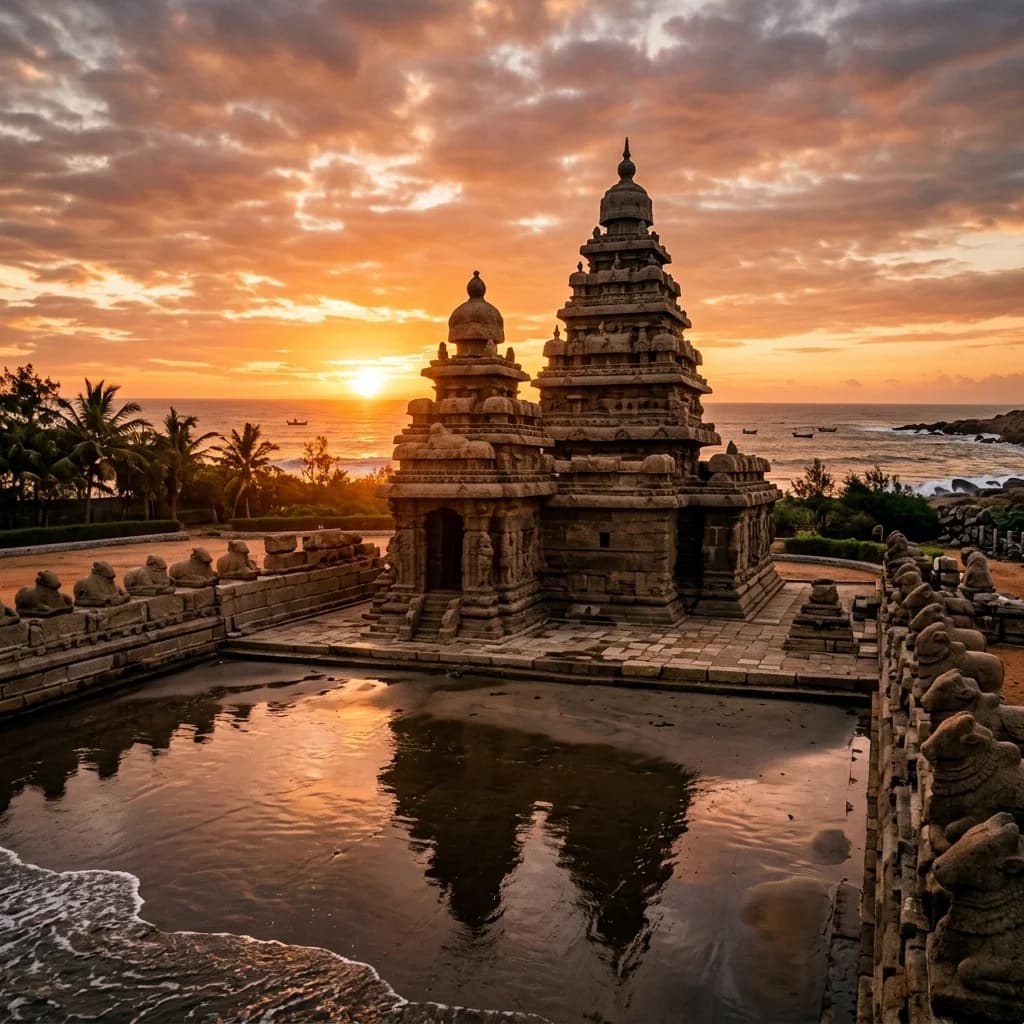
The Maratha Navy under Sarkhel Kanhoji Angre: Asymmetric Littoral Warfare, Gurabs & Galbats in the Arabian Sea
Last updated: July 28, 2026 | 13-minute read
Executive Summary: Established by Chhatrapati Shivaji Maharaj in 1659 ("He who rules the sea rules the land" - Ramchandra Pant Amatya in the Adnyapatra) and commanded to legendary zenith by Grand Admiral Sarkhel Kanhoji Angre (1669–1729), the Maratha Navy dominated the Konkan coastline of the Arabian Sea for over four decades. Operating from impregnable coastal island fortresses (Sindhudurg, Vijaydurg, Suvarnadurg, Khanderi) and utilizing light, shallow-draft oared-and-sailed Gurabs (Grabs) and Galbats (Gallivats), Angre executed brilliant asymmetric littoral guerrilla naval warfare, defeating multiple joint European fleets (British East India Company, Portuguese Royal Armadas, and Dutch squadrons) while asserting Maratha maritime sovereignty through the mandatory Dastak (naval transit permit) system.
+---------------------------------------------------------------------------------------------------+
|                        MARATHA NAVAL DEFENSE & LITTORAL COMBAT ARCHITECTURE                       |
+---------------------------------------------------------------------------------------------------+
                                                  │
         ┌────────────────────────────────────────┼────────────────────────────────────────┐
         ▼                                        ▼                                        ▼
+──────────────────────────+             +──────────────────────────+             +──────────────────────────+
| IMPREGNABLE SEA FORTS    |             | SHALLOW-DRAFT TACTICS    |             | ASYMMETRIC FLANKING FIRE |
| • Vijaydurg & Sindhudurg |             | • Gurabs (300-Ton, 16 Gun|             | • Lures Draft-Heavy EIC  |
| • Submerged Stone Reefs  |             | • Galbats (70-Oar Speed) |               Ships into Shallow Coves |
| • Fresh Water Well Access|             | • Oared Mobility in Calms|             | • Crossfire Stern Raking |
+──────────────────────────+             +──────────────────────────+             +──────────────────────────+
         │                                        │                                        │
         └────────────────────────────────────────┼────────────────────────────────────────┘
                                                  ▼
+---------------------------------------------------------------------------------------------------+
| SYNTHESIS: 40 Years of Undefeated Maritime Sovereignty Over the Western Coast of India             |
+---------------------------------------------------------------------------------------------------+
⚔️ 1. Strategic Vision: Shivaji Maharaj’s Naval Doctrine
Chhatrapati Shivaji Maharaj recognized that foreign colonial powers (the British at Bombay, Portuguese at Goa, and Siddis of Janjira) derived their military strength from naval control of maritime trade routes.
In the royal administrative manual Adnyapatra, minister Ramchandra Pant Amatya codified Shivaji’s naval doctrine:
- Sea Forts as Anchors of Defense: Fortresses built directly on rocky oceanic outcrops surrounded by sea on all four sides (Sindhudurg, Padmadurg, Khanderi-Underi, Vijaydurg) protected naval shipyards, food grain reserves, and gun foundries.
- Indigenous Naval Architecture: Rejecting heavy, sluggish European multi-deck galleons that ran aground in shallow estuaries, Shivaji commissioned indigenous Konkani shipbuilders to craft nimble, double-masted shallow-draft vessels designed specifically for the jagged reefs and tidal creeks of the western coast.
+---------------------------------------------------------------------------------------------------+
|                           THE MARATHA LITTORAL AMBUSH DOCTRINE                                    |
+---------------------------------------------------------------------------------------------------+
 British East India Company 40-Gun Man-of-War approaches Konkan Coast
                                 │
                                 ▼
 Wind Drops in Afternoon Coastal Calm (Heavy European Ship Trapped with Sluggish Sails)
                                 │
                                 ▼
 Fleet of 20 Maratha Galbats (Rowed by 50–70 Vigorous Sailors) Tow 4 Armed Gurabs
                                 │
                                 ▼
 [Gurabs Position Themselves at the Stern / Bow Quarters of the British Ship (Blind Spot)]
                                 │
                                 ▼
 [Heavy 18-Pounder Bow Guns Rake Enemy Decks from Shallow Water Where English Ships Cannot Pursue!] 🏆
+---------------------------------------------------------------------------------------------------+
⛵ 2. Ship Class Specifications: Gurabs and Galbats
The Maratha fleet consisted of specialized indigenous fighting ships:
+---------------------------------------------------------------------------------------------------+
|                         MARATHA NAVAL FLEET VESSEL SPECIFICATIONS                                 |
+---------------------------------------------------------------------------------------------------+
| Vessel Class / Type          | Displacement / Tonnage             | Armament & Propulsion         | Tactical Role in Battle       |
+------------------------------+------------------------------------+-------------------------------+-------------------------------+
| **Gurab (Grab)**             | 150 to 350 Tons (2 or 3 Masts)     | 16 to 24 Bronze/Iron Cannons  | Heavy Artillery Flagship      |
|                              | Shallow Draft (2.5 to 3.0 Meters)  | 2x 18-Pounder Forward Bow Guns| Rakes broadsides from distance|
| **Galbat (Gallivat)**        | 50 to 120 Tons (Single/Double Mast)| 6 to 10 Light Swivel Falconets| High-Speed Boarding Vessel    |
|                              | Lateen Sail + 40 to 70 Oars        | 80 to 120 Swordsmen/Archers   | Tows Gurabs during wind calms |
| **Machva / Tarande**         | 20 to 50 Tons                      | Light Swivel Guns             | Reconnaissance & Supply Run   |
| **Pal**                      | 300 to 450 Tons                    | 24 to 32 Guns (Broadside)     | Heavy Line-of-Battle Cruiser  |
+------------------------------+------------------------------------+-------------------------------+-------------------------------+
🏰 3. The Unbroken Record of Sarkhel Kanhoji Angre
Appointed Sarkhel (Grand Admiral) by Chhatrapati Rajaram in 1698, Kanhoji Angre transformed the Maratha Navy into the undisputed master of the Arabian Sea:
- 1712 — Defeat of the Portuguese: Angre captured the Portuguese frigate Santo Antonio and defeated the Viceroy of Goa’s expedition.
- 1717 — Battle of Gheriah (Vijaydurg): British Governor Charles Boone dispatched an armada of 9 warships and 1,200 infantry to capture Vijaydurg. The British were repelled with catastrophic casualties.
- 1721 — Joint British-Portuguese Assault on Alibaug: A combined British Royal Navy fleet (under Commodore Thomas Mathews) and Portuguese army attacked Angre's stronghold at Kolaba Fort. Angre’s cavalry and coastal artillery decimated the allied invasion force, capturing British supply trains and artillery pieces.
- The Dastak Permit System: Angre enforced a strict maritime transit pass (Dastak) on all merchant ships plying between Cambay and Calicut, treating European ships that refused to buy Maratha passes as contraband smugglers.
📌 The Bottom Line & Actionable Historical Significance
+---------------------------------------------------------------------------------------------------+
|                              TOPIC SLUG ALIGNED ACTIONABLE TAKEAWAYS                              |
+--------------------------------------+------------------------------------------------------------+
| maratha-navy-kanhoji-angre           | Father of modern Indian littoral naval doctrine.           |
| asymmetric-littoral-naval-warfare    | Exploit shallow coastal geography against heavy enemies.   |
| gurabs-and-galbats-ship-design       | Dual oar-and-sail propulsion provides total calm maneuver. |
| coastal-island-sea-forts-konkan      | Vijaydurg and Sindhudurg remain masterpieces of sea defense|
| anti-colonial-british-portuguese-defense| Undefeated in battle against 4 European maritime empires.  |
+---------------------------------------------------------------------------------------------------+
📫 Subscribe to Indian Maritime History & Naval Warfare Insights
Get peer-reviewed naval history teardowns, fort architecture diagrams, and ancient maritime monographs delivered to your inbox weekly.
Enjoyed this post?
Get our weekly digest delivered free.
Share this post:
Knowelth is reader-supported. We may earn a commission from links in this article at no extra cost to you. Read our disclosure.
Related Posts
The Battle of Diu (1509) & The Portuguese Cartaz System: The Naval Artillery Revolution in the Indian Ocean
The Battle of Diu (1509) & The Portuguese Cartaz System: The Naval Artillery Revolution in the Indian Ocean Last updated: August 17, 2026 | 13-minute read Executive Summary: Fought on February 3, 1509…
Shipbuilding Traditions of Ancient India: Naval Architecture in King Bhoja's 'Yukti Kalpataru' & The Stitched-Plank Revolution
Shipbuilding Traditions of Ancient India: Naval Architecture in King Bhoja's 'Yukti Kalpataru' & The Stitched-Plank Revolution Last updated: August 15, 2026 | 13-minute read Executive Summary: While m…
Satavahana Naval Dominance: Lead Ship-Coins of Yajna Sri Satakarni, Coromandel Ports & Deccan Greco-Roman Commerce
Satavahana Naval Dominance: Lead Ship-Coins of Yajna Sri Satakarni, Coromandel Ports & Deccan Greco-Roman Commerce Last updated: August 13, 2026 | 13-minute read Executive Summary: Reigning over the D…