Muzhiris & The Monsoon Winds: Roman Empire Gold Bullion, Malabar Black Pepper & The Pattanam Maritime Excavations
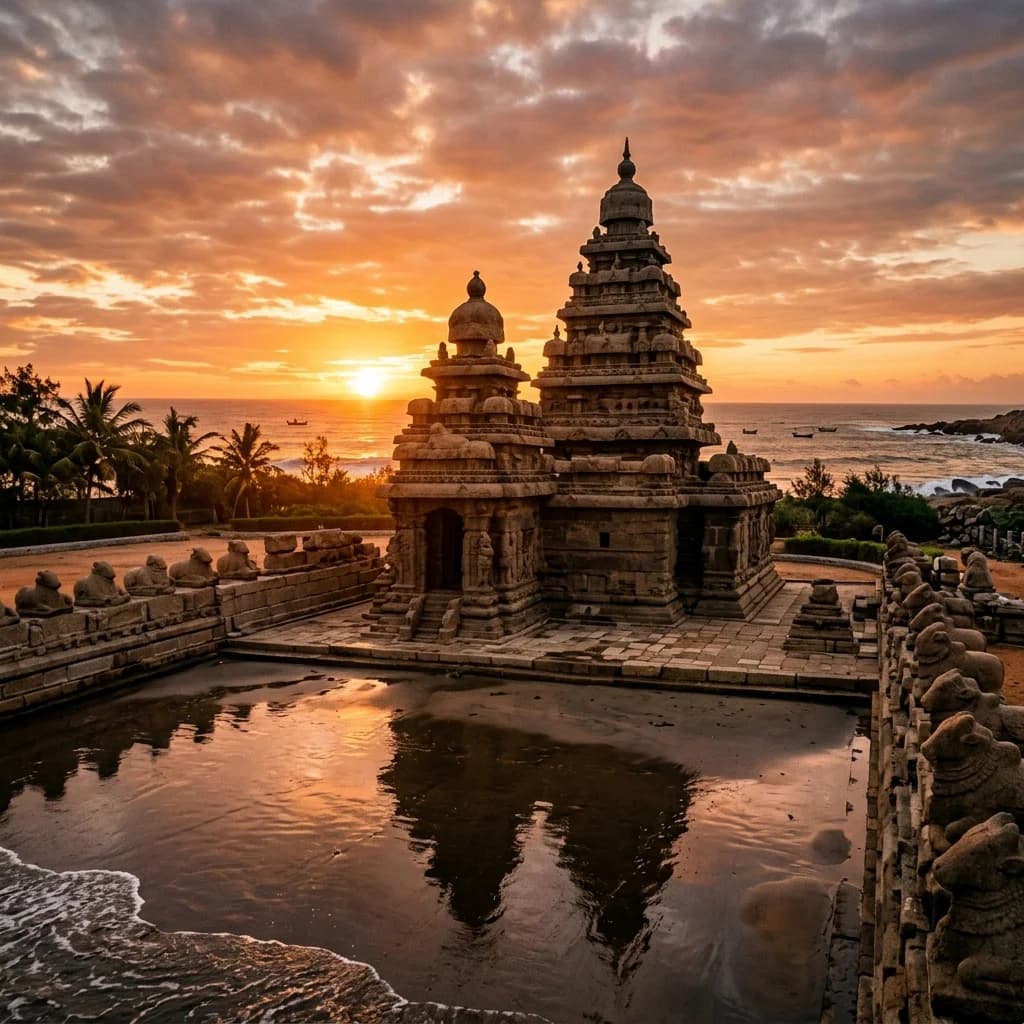
Muzhiris & The Monsoon Winds: Roman Empire Gold Bullion, Malabar Black Pepper & The Pattanam Maritime Excavations
Last updated: August 04, 2026 | 13-minute read
Executive Summary: During the 1st century BCE through the 3rd century CE, the ancient port city of Muzhiris (modern Pattanam / Kodungallur on the Malabar Coast of Kerala) was the epicenter of global luxury commerce connecting the Roman Empire to India. Described in the Greco-Roman navigation log Periplus of the Erythraean Sea and Sangam Tamil poetry (Akananuru) as the port "where the beautiful vessels of the Yavanas (Romans) arrive with gold and depart laden with black pepper", over 120 Roman merchant galleys arrived annually on the Southwest Monsoon (Hippalus wind), draining Roman imperial treasuries of over 50 million sesterces of gold and silver Roman aurei coins annually to feed Rome’s insatiable demand for Malabar black pepper (Piper nigrum), beryl gems, and fine silks.
+---------------------------------------------------------------------------------------------------+
|                        ROMAN-MALABAR TRANS-OCEANIC MARITIME CORRIDOR (1ST CENTURY CE)             |
+---------------------------------------------------------------------------------------------------+
                                                  │
         ┌────────────────────────────────────────┼────────────────────────────────────────┐
         ▼                                        ▼                                        ▼
+──────────────────────────+             +──────────────────────────+             +──────────────────────────+
| EMBARKATION (RED SEA)    |             | HIPPALUS MONSOON WINDS   |             | MUZHIRIS DISCHARGE (MALAB|
| • Berenike / Myos Hormos |             | • SW Monsoon (July–Aug)  |             | • Pattanam Estuary Wharf |
| • Camel Caravan to Nile  |             | • Direct 40-Day Crossing |             | • Roman Temple of Augustus|
| • Roman Gold Aurei Cargo |             | • Zero Coast-Hugging Slw |             | • Black Pepper & Beryls  |
+──────────────────────────+             +──────────────────────────+             +──────────────────────────+
         │                                        │                                        │
         └────────────────────────────────────────┼────────────────────────────────────────┘
                                                  ▼
+---------------------------------------------------------------------------------------------------+
| RETURN VOYAGE: NE Monsoon (Dec–Jan) carries Malabar Spices Back to Alexandria and Imperial Rome   |
+---------------------------------------------------------------------------------------------------+
📜 1. Classical Primary Sources: Pliny the Elder & Sangam Literature
The monumental scale of the Roman-Indian trade is recorded across contemporary Classical and Sangam texts:
- Pliny the Elder (Naturalis Historia, 77 CE): Lamented the financial drain on the Roman Empire: $$\text{"In no year does India absorb less than fifty million sesterces of our capital, sending back merchandise which is sold with us at a hundred times its prime cost."}$$
- The Muzhiris Papyrus (Papyrus Vindobonensis G 40827): A 2nd-century CE legal loan agreement in the Vienna National Library detailing the cargo value of a single Roman merchant ship named the Hermapollon returning from Muzhiris to Alexandria: valued at an astonishing 6.9 million sesterces (equivalent to purchasing a major agricultural estate in Italy), comprising 3,900 quintals of Malabar black pepper, 140 pieces of ivory tusks, and 50 crates of Gangetic spikenard.
- Sangam Tamil Poetry (Akananuru 149): $$\text{"The thriving port of Muchiri, where the large beautiful ships of the Yavanas, splashing white foam on the Periyar river, arrive bearing gold and leave laden with fragrant pepper."}$$
+---------------------------------------------------------------------------------------------------+
|                           THE HERMAPOLLON VOYAGE LOGISTIC PIPELINE                                |
+---------------------------------------------------------------------------------------------------+
 Rome Treasury ──► Ships 1,000kg Gold Coins to Alexandria ──► Up the Nile to Coptos
                                                                        │
                                ┌───────────────────────────────────────┘
                                ▼
 Camel Caravan across Eastern Desert to Port of Berenike (Red Sea Coast)
                                                                        │
                                ┌───────────────────────────────────────┘
                                ▼
 Catch Southwest Monsoon (July): 40-Day Non-Stop Open-Ocean Transit across Arabian Sea
                                                                        │
                                ┌───────────────────────────────────────┘
                                ▼
 [Discharges Gold at Muzhiris Wharf ──► Loads 390 Tons of Malabar Black Pepper & Gangetic Silks!] 🏆
+---------------------------------------------------------------------------------------------------+
🏺 2. Archaeological Excavations at Pattanam (Kerala)
Between 2004 and 2026, scientific excavations led by the Kerala Council for Historical Research (KCHR) and the Archaeological Survey of India at Pattanam (9km from Kodungallur) unearthed conclusive physical proof of Muzhiris:
+---------------------------------------------------------------------------------------------------+
|                         PATTANAM / MUZHIRIS ARCHAEOLOGICAL EXCAVATION DATA                        |
+---------------------------------------------------------------------------------------------------+
| Excavated Artifact Class     | Quantity / Type Discovered         | Historical & Provenance Proof |
+------------------------------+------------------------------------+-------------------------------+
| **Roman Amphorae Shards**    | Over 100,000 Ceramic Fragments     | Olive oil & wine containers   |
|                              | (Dressel 2–4, Rhodian, Campanian)  | from Italy, Rhodes, and Spain |
| **Terra Sigillata Pottery**  | Fine Red-Gloss Roman Tableware     | Manufactured in Arezzo, Italy |
| **Roman Coin Hoards**        | Thousands of Gold / Silver Aurei   | Coins of Augustus, Tiberius,  |
|                              | (Kottayam, Eyyal, Vellalur Hoards) | Nero, and Caligula (1st C. CE)|
| **Waterfront Wharf & Canoe** | 6.0-Meter Dugout Wooden Canoe      | Teak & Anjili wood dated via  |
|                              | with 9 Bollard Mooring Piles       | Carbon-14 to 1st Century BCE  |
| **Lapidary Gemstone Wares**  | Over 4.5 Million Beads             | Carnelian, Beryl, Agate, Glass|
|                              | (Semi-precious stone workshops)    | Exported across Mediterranean |
+------------------------------+------------------------------------+-------------------------------+
🍃 3. Black Pepper ("Black Gold"): The Commodity That Drained Rome
Black pepper (Piper nigrum) was indigenous exclusively to the evergreen rainforests of the Western Ghats (Malabar Coast). In Rome, it was not merely a culinary seasoning, but a critical preservative for meats, an essential pharmacological ingredient in Galenic medicine, and a symbol of aristocratic wealth:
- When Alaric the Visigoth besieged Rome in 408 CE, his ransom demand to spare the city from total sack included 3,000 pounds of Malabar black pepper alongside 5,000 pounds of gold!
📌 The Bottom Line & Historical Significance
+---------------------------------------------------------------------------------------------------+
|                              TOPIC SLUG ALIGNED ACTIONABLE TAKEAWAYS                              |
+--------------------------------------+------------------------------------------------------------+
| muzhiris-roman-maritime-trade        | Muzhiris was the richest global trading port of antiquity. |
| hippalus-monsoon-wind-navigation     | Harnessing the SW Monsoon cut ocean transit time to 40 days|
| malabar-black-gold-pepper-trade      | Malabar pepper drained 50 million sesterces of Roman gold. |
| pattanam-archaeological-excavations  | Amphorae and Roman dugout wharf prove Pattanam is Muzhiris.|
| periplus-of-erythraean-sea-geography | Greek navigation manual confirms 120 annual Roman galleys. |
+---------------------------------------------------------------------------------------------------+
📫 Subscribe to Indian Maritime History & Archaeology Insights
Get peer-reviewed archaeological excavation reports, ancient naval warfare deep-dives, and maritime heritage monographs delivered to your inbox weekly.
Enjoyed this post?
Get our weekly digest delivered free.
Share this post:
Knowelth is reader-supported. We may earn a commission from links in this article at no extra cost to you. Read our disclosure.
Related Posts
The Battle of Diu (1509) & The Portuguese Cartaz System: The Naval Artillery Revolution in the Indian Ocean
The Battle of Diu (1509) & The Portuguese Cartaz System: The Naval Artillery Revolution in the Indian Ocean Last updated: August 17, 2026 | 13-minute read Executive Summary: Fought on February 3, 1509…
Shipbuilding Traditions of Ancient India: Naval Architecture in King Bhoja's 'Yukti Kalpataru' & The Stitched-Plank Revolution
Shipbuilding Traditions of Ancient India: Naval Architecture in King Bhoja's 'Yukti Kalpataru' & The Stitched-Plank Revolution Last updated: August 15, 2026 | 13-minute read Executive Summary: While m…
Satavahana Naval Dominance: Lead Ship-Coins of Yajna Sri Satakarni, Coromandel Ports & Deccan Greco-Roman Commerce
Satavahana Naval Dominance: Lead Ship-Coins of Yajna Sri Satakarni, Coromandel Ports & Deccan Greco-Roman Commerce Last updated: August 13, 2026 | 13-minute read Executive Summary: Reigning over the D…