The Kunjali Marakkars & The Zamorin's Navy: A Century of Guerrilla Naval Warfare Against the Portuguese Empire (1498–1600)
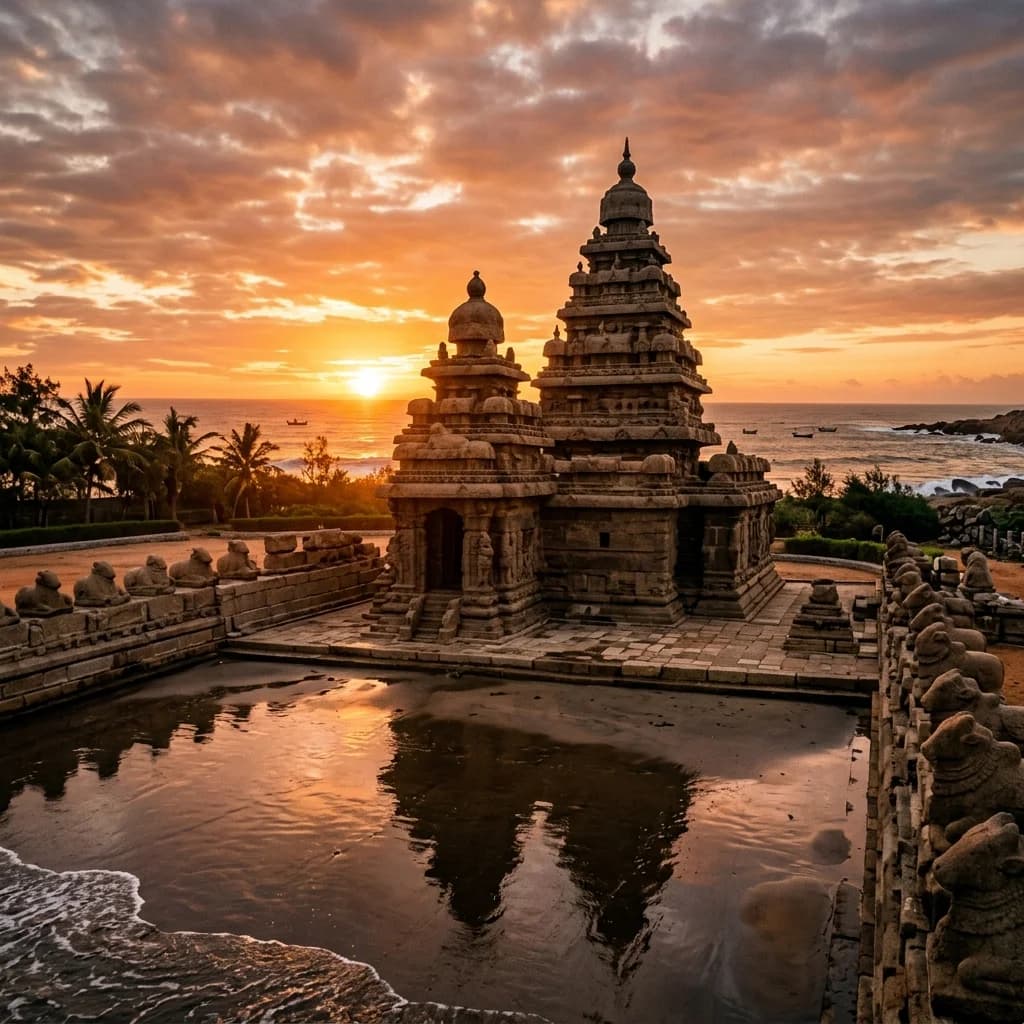
The Kunjali Marakkars & The Zamorin's Navy: A Century of Guerrilla Naval Warfare Against the Portuguese Empire (1498–1600)"
Last updated: August 07, 2026 | 13-minute read
Executive Summary: When Vasco da Gama arrived at Calicut (Kozhikode) in May 1498, the Portuguese Crown (Estado da Índia) sought to impose a brutal naval monopoly over the Indian Ocean spice trade, enforcing the piratical Cartaz (pass system) and bombarding sovereign coastal ports. For over a century across four generations (Kunjali Marakkar I through IV), the hereditary naval admirals of the Hindu Samoothiri (Zamorin) of Calicut waged the world’s first sustained anti-colonial maritime resistance. Operating fleets of light, ultra-fast oared Paraos (Thonies) armed with indigenous bronze cannons, the Marakkars exploited shallow coastal river mouths, night boardings, and fire-ship tactics to humiliate heavily gunned Portuguese naus and caravels across the Malabar Coast.
+---------------------------------------------------------------------------------------------------+
|                        THE KUNJALI MARAKKAR ASYMMETRIC NAVAL DEFENSE SYSTEM                       |
+---------------------------------------------------------------------------------------------------+
                                                  │
         ┌────────────────────────────────────────┼────────────────────────────────────────┐
         ▼                                        ▼                                        ▼
+──────────────────────────+             +──────────────────────────+             +──────────────────────────+
| LIGHT ARMED PARAOS (OARS)|             | ESTUARY BASES (KOTTAKKAL)|             | NIGHT AMBUSH TACTICS     |
| • 30 to 40 Vigorous Oars |             | • Fortified River Mouths |             | • Swarms of 50+ Paraos   |
| • Heavy Forward Bronze G.|             | • Sandbar Booms & Chains |             | • Boarding with Swords   |
| • Out-Manuevers Big Naus |             | • Inaccessible to Ships  |             | • Fire-Raft Drift Attacks|
+──────────────────────────+             +──────────────────────────+             +──────────────────────────+
         │                                        │                                        │
         └────────────────────────────────────────┼────────────────────────────────────────┘
                                                  ▼
+---------------------------------------------------------------------------------------------------+
| SYNTHESIS: 100 Years of Anti-Colonial Naval Defense Protecting Free Trade in the Arabian Sea      |
+---------------------------------------------------------------------------------------------------+
⚔️ 1. The Four Generations of Kunjali Marakkars
The title Kunjali Marakkar ("Beloved Mariner of the King") was conferred by the Zamorin upon four successive grand admirals:
- Kunjali Marakkar I (Kutti Ahmed Ali): Organized the initial naval defense of Calicut following Portuguese atrocities by Pedro Álvares Cabral and Vasco da Gama (who cut the ears, noses, and hands off captured Malabar merchant sailors).
- Kunjali Marakkar II (Kutti Pokker): Cut Portuguese supply lines between Goa and Cochin, capturing Portuguese flagship Galleons and allying with the Sultanate of Gujarat.
- Kunjali Marakkar III (Pattu Marakkar): Constructed the formidable maritime bastion of Kottakkal Fort (Puthuppanam) at the mouth of the Moorad River, repelling major Portuguese armadas led by Dom Paulo de Lima Pereira.
- Kunjali Marakkar IV (Mohammed Ali): Masterminded the devastating 1599 naval defeat of Portuguese Admiral Dom Luiz da Gama at the mouth of the Moorad River.
+---------------------------------------------------------------------------------------------------+
|                           THE 1599 BATTLE OF MOORAD RIVER MOUTH                                   |
+---------------------------------------------------------------------------------------------------+
 Portuguese Armada (18 War Galleons + 1,200 Soldiers under Dom Luiz da Gama) attacks Kottakkal
                                                │
                                                ▼
 Heavy Portuguese Ships Run Aground on Camouflaged Sandbars in Moorad Estuary
                                                │
                                                ▼
 Fleet of 40 Kunjali Paraos Swarms the Stranded Ships from Concealed Mangrove Creeks
                                                │
                                                ▼
 [Devastating Portuguese Defeat: 500+ Portuguese Soldiers Slain, Galleons Burned to Waterline!] 🏆
+---------------------------------------------------------------------------------------------------+
⛵ 2. Naval Architecture & Tactical Asymmetry
The Marakkars did not attempt to build ponderous 1,000-ton multi-deck Naus to match Portuguese broadside firepower. Instead, they weaponized speed and coastal geography:
+---------------------------------------------------------------------------------------------------+
|                         MALABAR PARAO VS PORTUGUESE GALLEON COMPARISON                            |
+---------------------------------------------------------------------------------------------------+
| Parameter / Feature          | Malabar War Parao (Kunjali Navy)   | Portuguese Nau / Carrack      |
+------------------------------+------------------------------------+-------------------------------+
| Propulsion Mechanism         | 30–40 Synchronized Oars + Lateen   | Square Sails Only (Wind Bound)|
| Draft Depth                  | 🏆 **1.0 to 1.5 Meters (Shallow)** | 5.5 to 7.0 Meters (Deep Draft)|
| Speed in Coastal Calms       | 🏆 **8 to 10 Knots (Continuous)**  | 0 Knots (Dead in the Water)   |
| Primary Artillery Armament   | 2x Forward Bow Bronze Cannons      | 30 to 50 Broadside Iron Guns  |
| Tactical Doctrine            | High-Speed Swarming & Stern Raking | Stand-Off Broadside Salvo     |
| Estuary & River Ingress      | Navigates Any Mangrove Creek / Bay | Runs Aground on Sandbars ❌   |
+---------------------------------------------------------------------------------------------------+
🏰 3. Kottakkal Fort: The Gibraltar of Malabar
The naval fortress of Kottakkal was an architectural masterpiece of 16th-century coastal defense:
- Boom Defense: Heavy iron chains were drawn across the Moorad river mouth, submerging beneath the water to rip the rudders off incoming Portuguese caravels.
- Bastions & Foundries: Built with thick laterite stone blocks, housing in-house gun foundries that forged bronze cannons and explosive ceramic sulfur pots (Chuttuka).
📌 The Bottom Line & Historical Significance
+---------------------------------------------------------------------------------------------------+
|                              TOPIC SLUG ALIGNED ACTIONABLE TAKEAWAYS                              |
+--------------------------------------+------------------------------------------------------------+
| kunjali-marakkars-naval-admirals     | 100 years of unbroken naval resistance to colonialism.     |
| zamorin-kingdom-of-calicut-navy      | Secular alliance: Hindu King commanded by Muslim Admirals. |
| anti-colonial-portuguese-resistance  | First naval guerrilla resistance in global maritime record.|
| shallow-draft-rowed-parao-tactics    | Rowed speed overcomes heavy broadside sail firepower.      |
| kottakkal-fort-maritime-defense      | Moorad river boom defenses repelled multiple Royal Armadas |
+---------------------------------------------------------------------------------------------------+
📫 Subscribe to Indian Maritime History & Naval Warfare Insights
Get peer-reviewed naval history teardowns, fort architecture diagrams, and ancient maritime monographs delivered to your inbox weekly.
Enjoyed this post?
Get our weekly digest delivered free.
Share this post:
Knowelth is reader-supported. We may earn a commission from links in this article at no extra cost to you. Read our disclosure.
Related Posts
The Battle of Diu (1509) & The Portuguese Cartaz System: The Naval Artillery Revolution in the Indian Ocean
The Battle of Diu (1509) & The Portuguese Cartaz System: The Naval Artillery Revolution in the Indian Ocean Last updated: August 17, 2026 | 13-minute read Executive Summary: Fought on February 3, 1509…
Shipbuilding Traditions of Ancient India: Naval Architecture in King Bhoja's 'Yukti Kalpataru' & The Stitched-Plank Revolution
Shipbuilding Traditions of Ancient India: Naval Architecture in King Bhoja's 'Yukti Kalpataru' & The Stitched-Plank Revolution Last updated: August 15, 2026 | 13-minute read Executive Summary: While m…
Satavahana Naval Dominance: Lead Ship-Coins of Yajna Sri Satakarni, Coromandel Ports & Deccan Greco-Roman Commerce
Satavahana Naval Dominance: Lead Ship-Coins of Yajna Sri Satakarni, Coromandel Ports & Deccan Greco-Roman Commerce Last updated: August 13, 2026 | 13-minute read Executive Summary: Reigning over the D…