U.S. Launches Major Night Strikes on 90 Targets in Iran as Ceasefire Declared Over
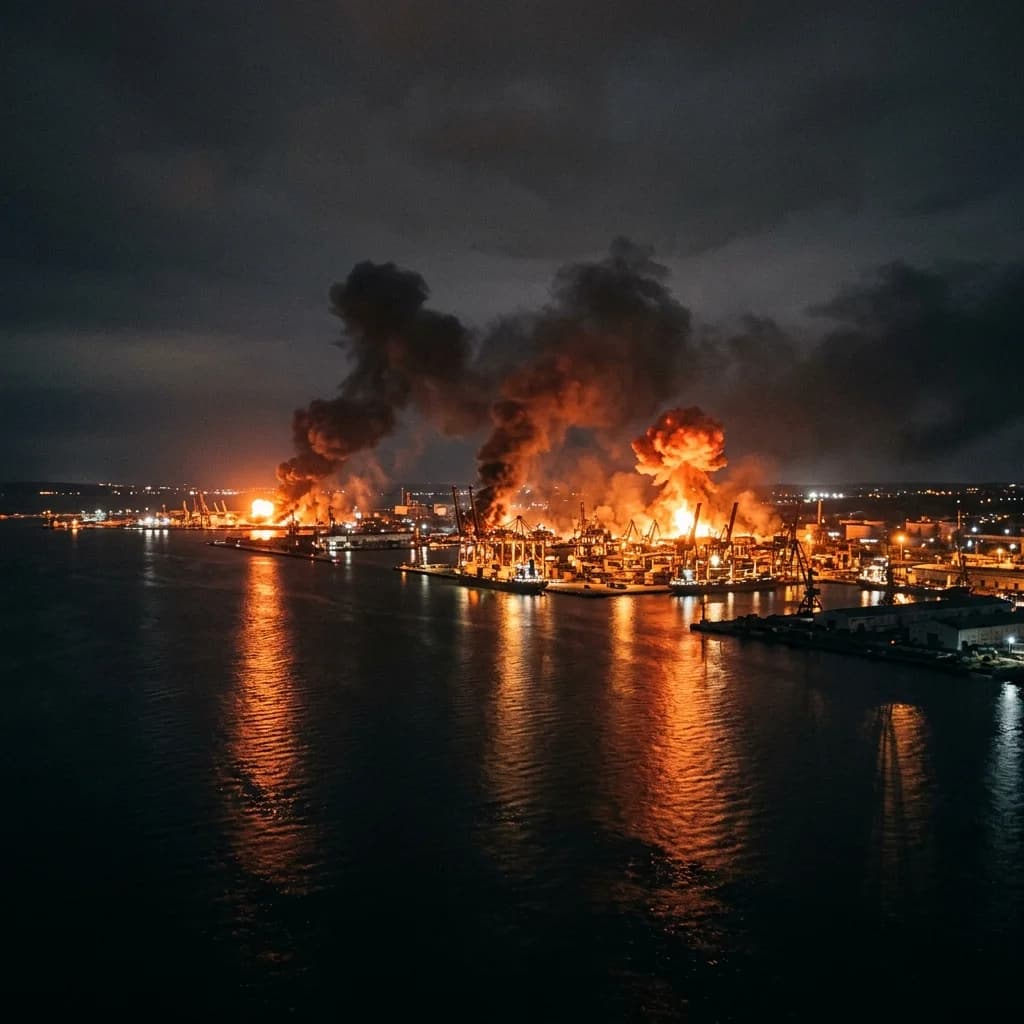
Breaking: U.S. Launches Major Night Strikes on 90 Targets in Iran as Ceasefire Declared Over
Last updated: 2026-07-09 11:15 IST
The United States military has launched a massive wave of airstrikes targeting approximately 90 military facilities across Iran following the formal termination of the bilateral ceasefire by President Donald Trump. The operations, which took place overnight on July 8–9, mark the largest escalation in direct hostilities between the two nations since the truce was established. In response, Iran's Islamic Revolutionary Guard Corps (IRGC) launched retaliatory missile and drone attacks targeting U.S. military bases in Kuwait, Bahrain, and Qatar, triggering regional air defense alerts.
What Happened
The escalation began on July 7, 2026, when the United States carried out an initial round of strikes against 80 Iranian targets, focusing heavily on maritime assets including more than 60 IRGC small boats. This first wave was triggered by a series of Iranian attacks on commercial vessels in the strategically vital Strait of Hormuz, which U.S. officials described as a direct breach of the existing ceasefire agreement. Following these strikes, U.S. President Donald Trump declared that the fragile truce and the associated memorandum of understanding with Tehran were officially "over," citing Iran's continued maritime aggression.
Over the night of July 8–9, the U.S. military intensified its campaign, executing a second, larger round of strikes hitting approximately 90 targets inside Iran. This operation targeted key military infrastructure, including advanced air defense batteries, coastal radar and surveillance systems, missile and drone storage depots, and naval logistics centers. Major strikes were reported near critical hubs such as Bushehr, Chabahar, and Iranshahr.
Tehran responded immediately to the second wave of strikes. The IRGC claimed responsibility for launching a series of missiles and drones toward U.S. military installations in Kuwait, Bahrain, and Qatar. Sirens sounded in several regional capitals as air defense systems were activated. Kuwaiti and Bahraini military officials confirmed that their defensive systems successfully intercepted multiple incoming aerial threats, and no immediate casualties or major damage were reported at the targeted U.S. facilities.
Why It Matters
The collapse of the ceasefire and the subsequent exchange of direct military strikes threaten to plunge the Middle East into a wider, highly volatile conflict. The Strait of Hormuz, where the initial maritime friction occurred, is the world's most critical oil transit chokepoint. Any prolonged disruption to shipping in these waters is likely to trigger immediate volatility in global energy markets, driving up crude oil prices and complicating international trade.
Furthermore, this escalation dismantles months of delicate diplomatic efforts aimed at establishing long-term regional stability. The failure of the temporary truce highlights the deep-seated disagreements between Washington and Tehran regarding freedom of navigation, Iran's ballistic missile programs, and its regional influence. With direct attacks now occurring on sovereign territories and international bases, the risk of miscalculation by either side has increased dramatically.
The conflict, which originally flared in February 2026, has entered a new and dangerous phase where proxy warfare has been replaced by overt, state-on-state military operations. Regional allies on both sides are being drawn into the defensive perimeter, as evidenced by the activation of air defense systems in Kuwait and Bahrain to counter Iranian retaliation.
Key Figures & Reactions
- U.S. President Donald Trump announced the termination of the ceasefire, stating that Iran's actions in the Strait of Hormuz demonstrated they were not "worthy of making a deal" and that the ceasefire agreement was void.
- The Islamic Revolutionary Guard Corps (IRGC) released a statement confirming their retaliatory strikes on U.S. bases in Kuwait, Bahrain, and Qatar, warning that further U.S. aggression would meet with even stronger countermeasures.
- Kuwaiti Military Command issued a statement confirming the activation of its defense systems and the successful interception of hostile targets over its territory, emphasizing that Kuwaiti airspace remains secured.
- Regional Observers and Allies have expressed deep concern. Protests regarding the escalation are expected globally, with Australian authorities already warning of demonstrations near the U.S. Consulate in Perth.
What to Watch Next
- U.S. Battle Damage Assessment (BDA): Official releases from the Pentagon detailing the precise impact and degradation of Iran's coastal defenses and missile launch capabilities.
- Diplomatic Responses at the UN: Potential emergency sessions of the United Nations Security Council as members attempt to de-escalate the situation and restore maritime security.
- Global Oil and Energy Market Fluctuations: How Brent and WTI crude futures react to the increased security risk in the Persian Gulf and the Strait of Hormuz.
- Status of Regional U.S. Forces: The posture of U.S. Central Command (CENTCOM) forces and whether additional naval or air assets will be deployed to the Persian Gulf.
This is a developing story. Details may be updated as new information emerges.
Enjoyed this post?
Get our weekly digest delivered free.
Share this post:
📌 Disclosure: This post may contain affiliate links. If you make a purchase through our links, we may earn a commission at no extra cost to you. We only recommend products we believe in. See our Affiliate Disclosure.
Related Posts
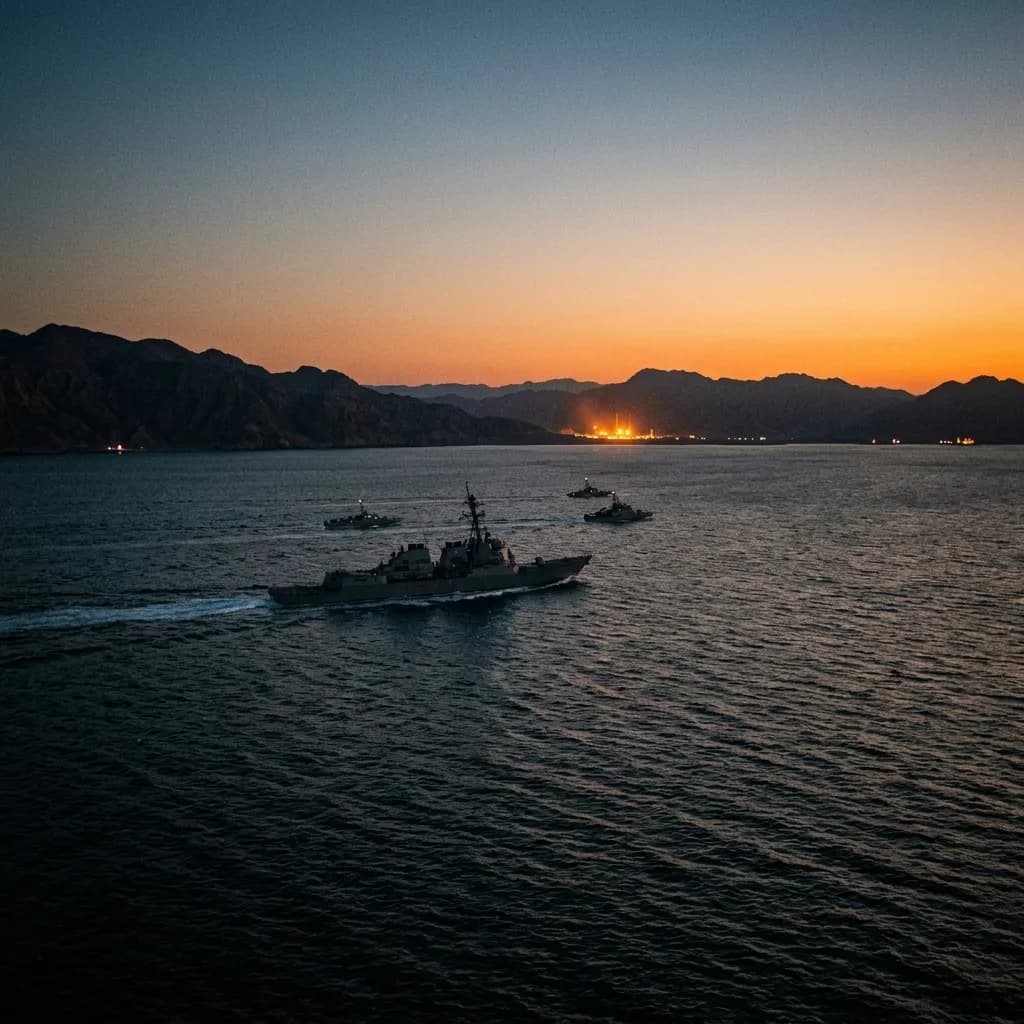
U.S.-Iran Ceasefire Collapses Amid Persian Gulf Military Strikes
Breaking: U.S.-Iran Ceasefire Collapses Amid Persian Gulf Military Strikes Last updated: 2026-07-08 22:30 IST The fragile ceasefire between the United States and Iran has collapsed after a series of m…
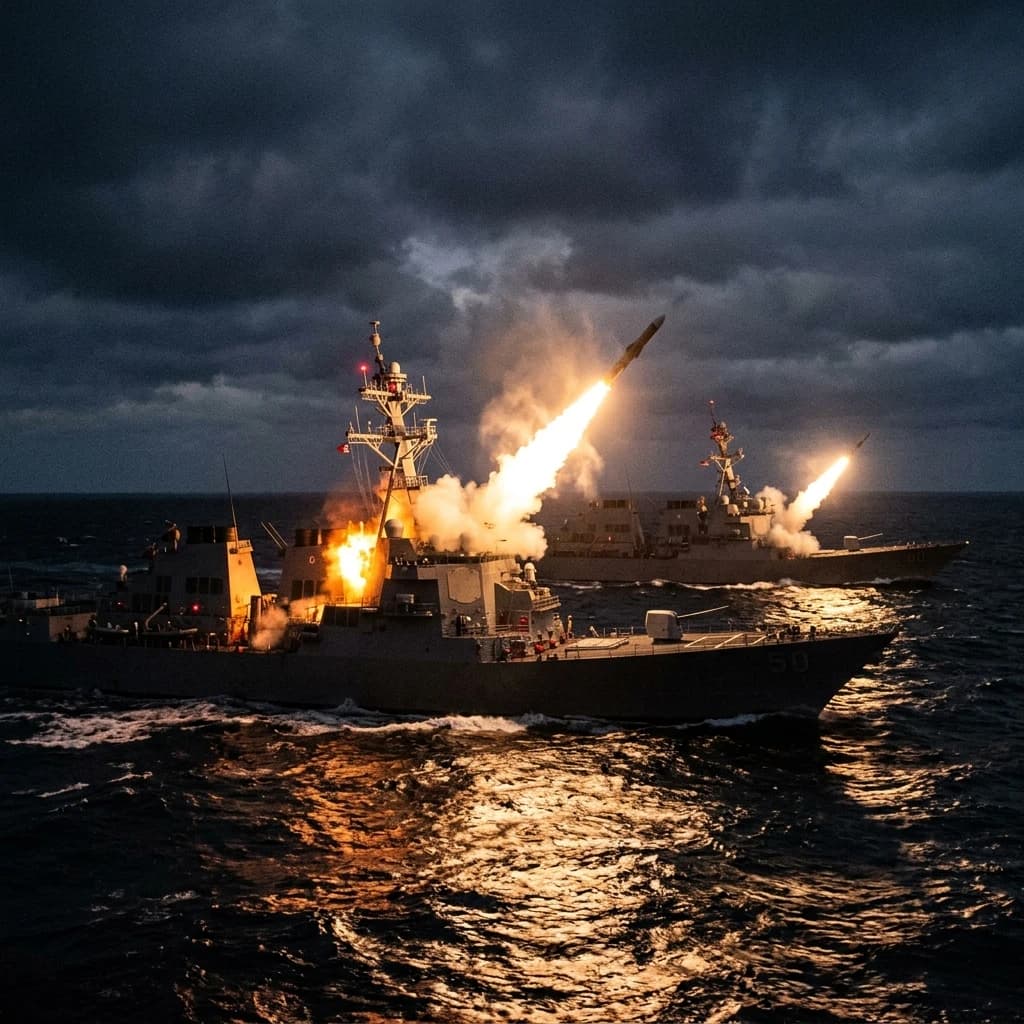
Breaking: US Launches Massive Strikes on 80 Iran Sites; Tehran Retaliates Against US Bases in Bahrain and Kuwait
Breaking: US Launches Massive Strikes on 80 Iran Sites; Tehran Retaliates Against US Bases in Bahrain and Kuwait Last updated: 2026-07-08 17:20 IST On July 8, 2026, the United States Central Command (…
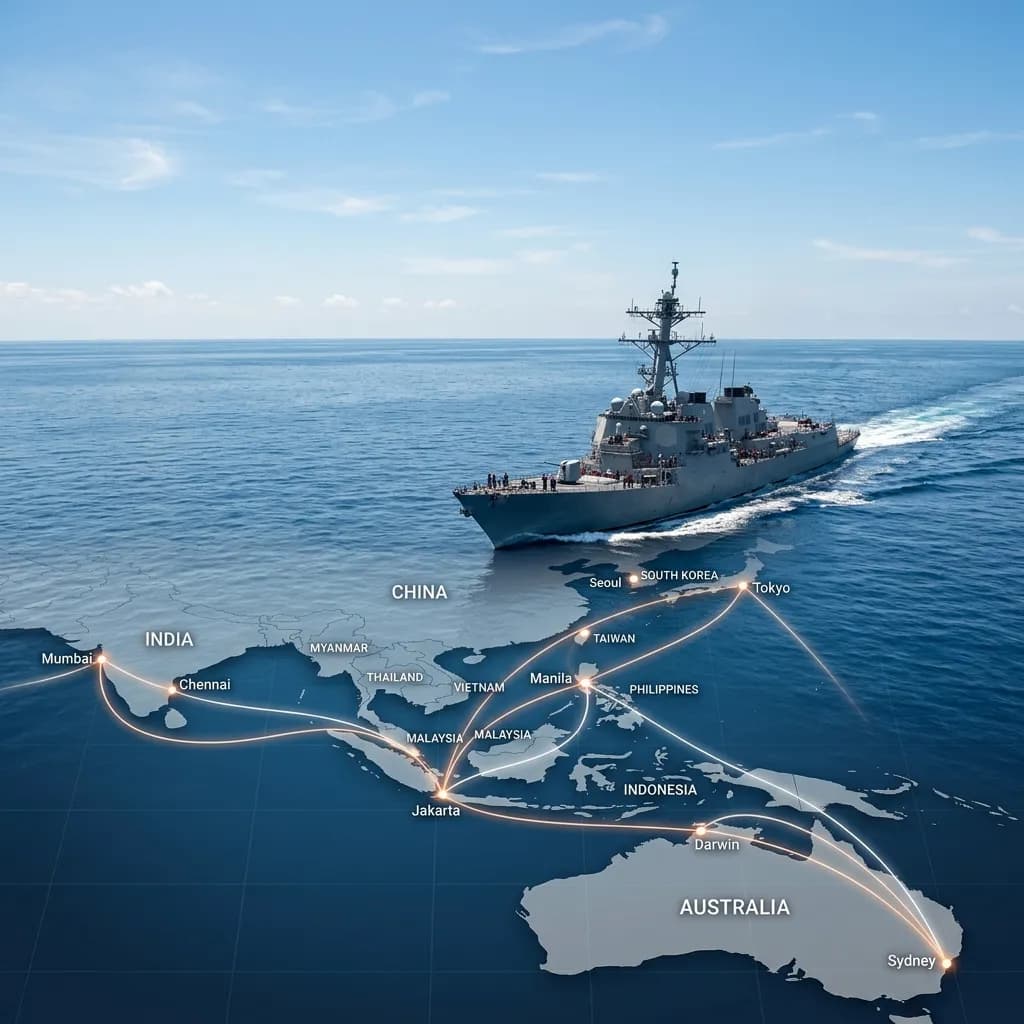
Iran Supreme Leader Funeral, PM Modi Indo-Pacific Tour, and Sudan Cholera Crisis
Iran Supreme Leader Funeral, PM Modi Indo-Pacific Tour, and Sudan Cholera Crisis The global landscape is undergoing significant shifts today, marked by critical political transitions in West Asia, …