ASEAN Foreign Ministers Convene in Manila Amid Escalating Strait of Hormuz Crisis and Global Energy Shocks
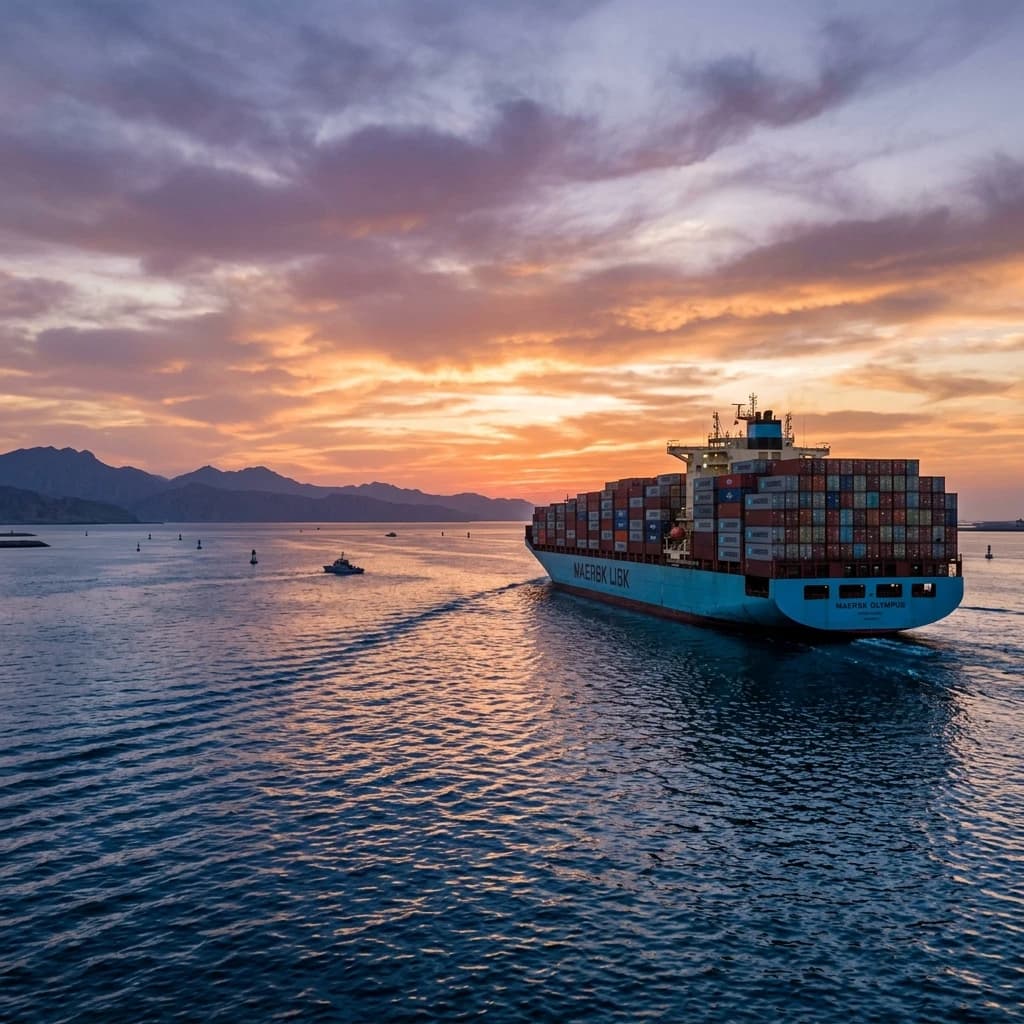
ASEAN Foreign Ministers Convene in Manila Amid Escalating Strait of Hormuz Crisis and Global Energy Shocks
Published on July 21, 2026 | Reading time: 5 minutes
MANILA — Foreign ministers from the 11-member Association of Southeast Asian Nations (ASEAN) opened their 59th annual security consultations in Manila on Tuesday, against the backdrop of a rapidly worsening military crisis between the United States and Iran in the Strait of Hormuz. The high-stakes summit comes as expanding naval blockades and retaliatory strikes in the Persian Gulf threaten critical maritime oil bottlenecks, triggering severe energy supply disruptions across Asian economies. With key global partners—including India, the United States, Japan, and European nations—arriving for expanded dialogue sessions, the gathering has transformed into a focal point for international diplomacy aimed at containing a cascading global economic shock.
🌐 What Happened: The Core Event
The 59th ASEAN Foreign Ministers' Meeting (AMM), hosted by the Philippines as the 2026 ASEAN Chair, convened on July 21 under unprecedented geopolitical tension. The immediate catalyst dominating the summit's agenda is the sharp military escalation in the Middle East, where retaliatory U.S. bombing operations and an expanding Iranian maritime blockade in the Strait of Hormuz have effectively halted nearly 20% of the world's daily petroleum flow. ASEAN diplomats issued an emergency joint statement on Tuesday afternoon expressing "profound alarm" over the regional fallout, urging all warring parties to enact an immediate cessation of hostilities and guarantee the unhindered passage of commercial shipping through the vital strategic waterway.
The impact of the Persian Gulf impasse is being felt immediately across Southeast Asian capitals. Heavy energy importers such as the Philippines, Thailand, Vietnam, and Singapore have seen benchmark crude prices surge past historic highs, straining domestic subsidies and accelerating regional inflation. Speaking at the opening session in Manila, Philippine Secretary of Foreign Affairs Enrique Manalo underscored that energy security and maritime trade routes have become inextricably linked, warning that prolonged disruption to Gulf shipping lanes risks crippling post-pandemic economic recovery across both developing and industrialized Asian economies.
Beyond the Middle Eastern turmoil, the Manila summit is tasked with resolving volatile regional flashpoints. Central to the security dialogue are ongoing tensions in the South China Sea, following recent maritime encounters near Second Thomas Shoal that left Philippine personnel injured. ASEAN ministers are attempting to expedite long-stalled negotiations with Beijing for a binding Code of Conduct (COC), even as member states navigate deep internal divisions regarding security posture toward major powers. Simultaneously, the bloc continues to struggle with the persistent political deadlock in Myanmar, evaluating the efficacy of its Five-Point Consensus framework amidst escalating internal conflict.
Extensive ministerial engagements will expand on Wednesday with the arrival of top diplomats from partner nations for the ASEAN-India Post-Ministerial Conference, the East Asia Summit (EAS), and the ASEAN Regional Forum (ARF). Indian External Affairs Minister Dr. S. Jaishankar is set to lead New Delhi's delegation, bringing strategic focus to maritime security cooperation and supply chain resilience during what has been officially designated as the ASEAN-India Year of Maritime Cooperation. Additionally, quadrilateral consultations between the U.S., India, Japan, and Australia are scheduled on the sidelines, emphasizing the high concentration of global diplomatic leverage currently assembled in Manila.
🔍 Why It Matters: Global & Economic Impact
The intersection of the Persian Gulf conflict and the Indo-Pacific diplomatic calendar highlights the profound vulnerabilities of today's interconnected global security architecture. As the Strait of Hormuz remains contested, the international community faces a multi-layered crisis spanning geopolitical realignments, global market volatility, and strategic foreign policy recalibrations for emerging powers.
-
Geopolitical Balance & Great Power Rivalry: The crisis in the Strait of Hormuz has forced a dramatic reassessment of global military deployments. With the United States reallocating substantial naval assets and carrier strike groups to the Persian Gulf to secure maritime transit, Beijing is closely monitoring potential security voids in the Indo-Pacific. For ASEAN, maintaining its foundational policy of "ASEAN Centrality" is becoming increasingly complex as Western powers urge regional leaders to enforce stricter sanctions and maritime patrols, while China advocates for localized non-aligned diplomatic resolutions. The deadlock accentuates the growing difficulty small and medium powers face when attempting to maintain neutrality amidst intense major-power friction.
-
Economic & Market Ripple Effects: The maritime blockade in Hormuz has sent violent shockwaves through international commodity and financial markets. Brent crude futures jumped significantly as insurance underwriting for commercial tankers navigating the Gulf reached prohibitive levels, forcing major shipping lines to reroute around the Cape of Good Hope. This diversion adds 10 to 14 days to transit times between Asia and Europe, driving global freight rates upward and exacerbating container shortages. Energy-intensive industries across East and Southeast Asia are bracing for severe margin compression, while central banks in developing economies confront renewed inflationary pressure that threatens to delay anticipated interest rate cuts.
-
India's Strategic & Economic Perspective: For India, the Manila summit represents a critical venue to balance its strategic imperatives. As a nation reliant on Middle Eastern imports for over 80% of its crude oil, New Delhi is acutely exposed to shipping disruptions in the Persian Gulf and the resulting price volatility. Furthermore, the welfare and security of the nearly 9 million Indian diaspora working across the Gulf region remain a paramount humanitarian concern. Dynamically navigating these challenges, Minister Jaishankar's agenda in Manila emphasizes bolstering bilateral energy partnerships, expanding maritime domain awareness through joint naval exercises, and promoting non-dollar trade settlements to safeguard national economic interests. India’s strategic push within the Quad and ASEAN frameworks underscores its role as a stabilizing bridge between Western security architectures and Global South economic priorities.
📊 Key Data & Timeline
| Date / Milestone | Event | Significance |
|---|---|---|
| July 12, 2026 | U.S. Naval Blockade Initiated | U.S. forces respond to merchant vessel attacks by establishing defensive perimeters in the Strait of Hormuz. |
| July 16, 2026 | Crude Oil Spike & Freight Rerouting | Global benchmark oil prices surge over 15% as major commercial shipping lines suspend Gulf transit. |
| July 19, 2026 | Manila Pre-Summit Consultations | Senior officials assemble in Manila to draft emergency declarations on regional energy vulnerabilities. |
| July 21, 2026 | 59th ASEAN Foreign Ministers' Opening | ASEAN ministers officially open the Manila summit and issue a joint call for an immediate Strait of Hormuz ceasefire. |
| July 22–23, 2026 | Expanded Ministerial & Quad Meetings | Arrival of Indian EAM Dr. S. Jaishankar and Quad foreign ministers for key security and maritime cooperation talks. |
🔮 What to Watch Next
- Emergency ASEAN Energy Security Framework: Watch whether ASEAN ministers agree on a regional fuel-sharing mechanism or emergency petroleum reserve coordination during the closing sessions in Manila.
- Quad Foreign Ministers' Joint Statement: Monitor the upcoming bilateral and Quad discussions on July 23 for explicit commitments regarding Indo-Pacific maritime domain awareness and Gulf shipping surveillance.
- Global Commodity & Inflation Indicators: Track upcoming central bank announcements in major Asian economies for signs of monetary policy tightening in response to sustained energy cost increases.
📬 Stay Informed on Global Affairs
Get daily geopolitical and market intelligence delivered straight to your inbox. Subscribe to The India Brief Newsletter →
Sources: Reuters, Associated Press, Official Government Press Statements, Bloomberg News.
Disclosure: This post contains affiliate links. If you purchase through our links, we may earn a small commission at no extra cost to you.
Enjoyed this post?
Get our weekly digest delivered free.
Share this post:
Knowelth is reader-supported. We may earn a commission from links in this article at no extra cost to you. Read our disclosure.
Related Posts

Global Turmoil: Hormuz Shipping Standoff, Europe's Heatwave Crisis, and France's Under-15 Social Media Ban
Global Turmoil: Hormuz Shipping Standoff, Europe's Heatwave Crisis, and France's Under-15 Social Media Ban The geopolitical and environmental landscape shifted dramatically today as escalating naval t…
ASEAN Foreign Ministers Convene Emergency Energy Security Talks in Manila Amid Middle East Escalation
ASEAN Foreign Ministers Convene Emergency Energy Security Talks in Manila Amid Middle East Escalation Published on July 21, 2026 | Reading time: 5 minutes MANILA — Foreign ministers from the 10 member…
US Launches Sixth Night of Airstrikes on Iran as Strait of Hormuz Crisis Deepens
Breaking: US Launches Sixth Night of Airstrikes on Iran as Strait of Hormuz Crisis Deepens Last updated: 2026-07-17 16:20 IST The United States has expanded its military campaign against Iran, launchi…