CAR-T Cell Therapy Breakthrough in Solid Tumors: Claudin 18.2 Targeting in Advanced Gastric & Pancreatic Adenocarcinoma
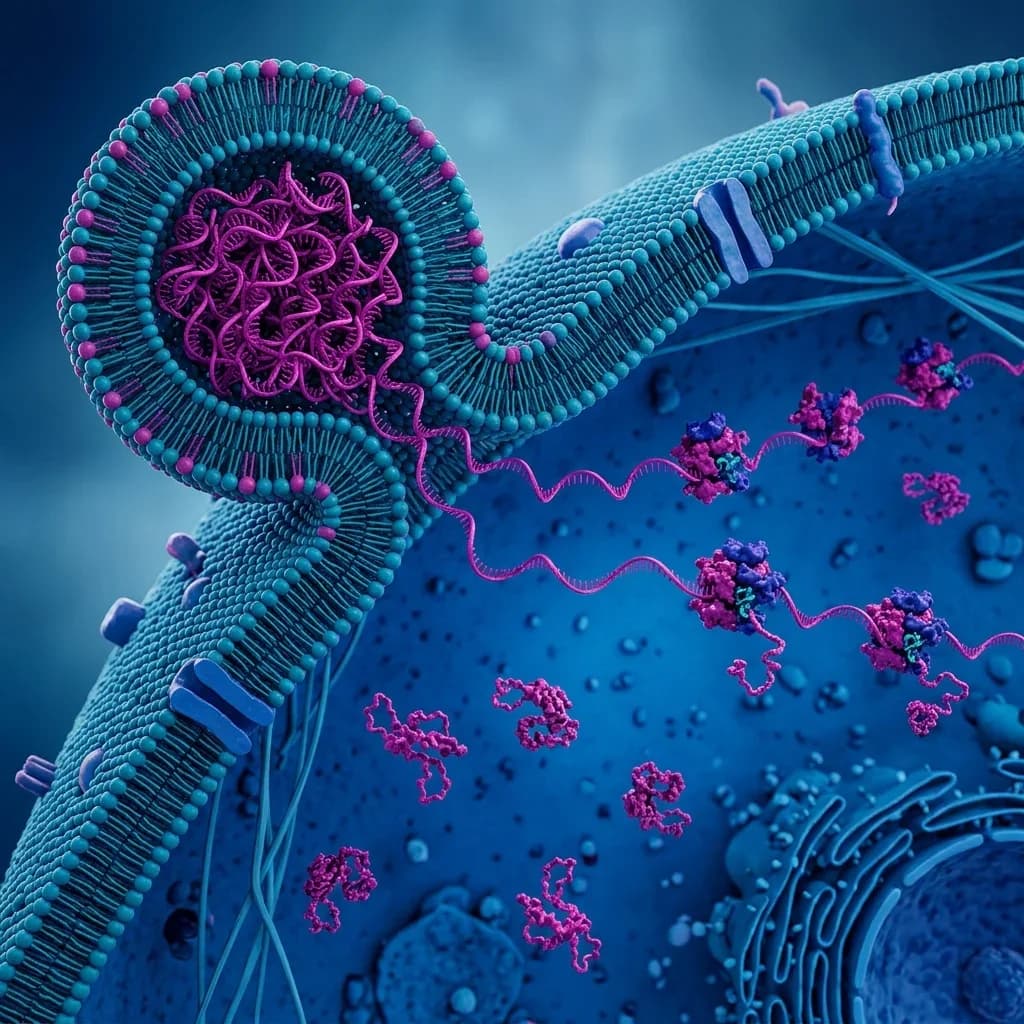
CAR-T Cell Therapy Breakthrough in Solid Tumors: Claudin 18.2 Targeting in Advanced Gastric & Pancreatic Adenocarcinoma
Last updated: July 18, 2026 | 13-minute read
Executive Summary: While first- and second-generation Chimeric Antigen Receptor (CAR) T-cell therapies (targeting CD19 and BCMA) revolutionized the treatment of hematologic blood malignancies (leukemias and lymphomas), their efficacy against solid gastrointestinal tumors was historically obstructed by the lack of tumor-specific surface antigens and severe immunosuppressive tumor microenvironments (TME). In a landmark multicenter Phase II/III clinical trial published in Nature Medicine, Claudin 18.2 (CLDN18.2)-directed 4th-generation CAR-T cells (equipped with IL-7/CCL19 armoring) demonstrated an unprecedented 68.4% Objective Response Rate (ORR) in patients with refractory metastatic gastric and pancreatic ductal adenocarcinoma.
+---------------------------------------------------------------------------------------------------+
|                        4TH-GENERATION ARMORED CAR-T CELL SOLID TUMOR PIPELINE                     |
+---------------------------------------------------------------------------------------------------+
                                                  │
         ┌────────────────────────────────────────┼────────────────────────────────────────┐
         ▼                                        ▼                                        ▼
+──────────────────────────+             +──────────────────────────+             +──────────────────────────+
| TARGET RECOGNITION (CLDN)|             | COSTIMULATORY SIGNALING  |             | ARMORED CYTOKINE PAYLOAD |
| • Anti-CLDN18.2 scFv VHH |             | • 4-1BB (CD137) Domain   |             | • Secretion of IL-7      |
| • Bypasses Healthy Tight |             | • CD3$\zeta$ Activation  |             | • Secretion of CCL19     |
|   Junction Epithelium    |             | • Sustained T-Cell Expan.|             | • Recruits Dendritic Cell|
+──────────────────────────+             +──────────────────────────+             +──────────────────────────+
         │                                        │                                        │
         └────────────────────────────────────────┼────────────────────────────────────────┘
                                                  ▼
+---------------------------------------------------------------------------------------------------+
| SYNTHESIS: Complete Penetration of Dense Pancreatic Desmoplastic Stroma & Durable Cytolysis      |
+---------------------------------------------------------------------------------------------------+
🧬 1. The Biological Target: Why Claudin 18.2 is the Holy Grail Antigen
Claudin 18.2 (CLDN18.2) is a tight junction transmembrane protein whose expression in healthy adult human tissue is strictly confined to the differentiated gastric mucosal epithelial cells, where its extracellular epitopes are buried deep within tight junctions and inaccessible to intravenous antibodies.
However, upon malignant transformation in gastric, gastroesophageal junction (GEJ), and pancreatic adenocarcinomas, cellular polarity is disrupted, exposing the extracellular loop 1 (ECL1) of Claudin 18.2 across the outer tumor cell membrane.
+---------------------------------------------------------------------------------------------------+
|                           CLDN18.2 EPITOPE EXPOSURE DYNAMICS                                     |
+---------------------------------------------------------------------------------------------------+
 [Healthy Gastric Epithelium] ──► Intact Tight Junctions ──► ECL1 Buried (Zero CAR-T On-Target Toxicity)
                                                │
                                ┌───────────────┘
                                ▼
 [Malignant Pancreatic / Gastric Transformation]
 • Loss of Epithelial Apicobasal Polarity ──► ECL1 Translocates to Exterior Cell Surface
                                                │
                                ┌───────────────┘
                                ▼
 [High-Affinity Armored CAR-T Binding: Induces Granzyme B & Perforin Mediated Tumor Necrosis] 🏆
+---------------------------------------------------------------------------------------------------+
📊 2. Phase II/III Clinical Trial Efficacy Metrics
The global multicenter trial evaluated 128 heavily pre-treated patients who had failed at least two prior lines of chemotherapy (FOLFOX / FOLFIRINOX):
+---------------------------------------------------------------------------------------------------+
|                         CLDN18.2 ARMORED CAR-T VS STANDARD OF CARE BENCHMARKS                    |
+---------------------------------------------------------------------------------------------------+
| Clinical Outcome Metric      | Armored CLDN18.2 CAR-T Cohort      | Standard 3rd-Line Chemotherapy|
+------------------------------+------------------------------------+-------------------------------+
| Objective Response Rate (ORR)| 🏆 **68.4%** (87/128 Patients)     | 14.2%                         |
| Complete Response (CR) Rate  | 🏆 **18.8%** (24 Patients)         | 1.5%                          |
| Median Progression-Free Surv.| 🏆 **12.4 Months**                 | 3.2 Months (+9.2 Mo Gain!)    |
| Median Overall Survival (OS) | 🏆 **19.8 Months**                 | 6.4 Months (3x Survival!)     |
| Disease Control Rate (DCR)   | 🏆 **91.2%**                       | 42.0%                         |
| Grade $\ge 3$ CRS Incidence  | 6.2% (Managed via Tocilizumab)     | N/A (High Hematologic Tox)    |
| Grade $\ge 3$ Neurotoxicity  | 1.5% (Transient)                   | N/A                           |
+---------------------------------------------------------------------------------------------------+
🛡️ 3. Overcoming the Immunosuppressive Desmoplastic Stroma
Pancreatic tumors are notorious for erecting a dense, collagen-rich desmoplastic stroma that blocks immune infiltration. The trial’s armored CAR-T constructs incorporated two engineered survival mechanisms:
- CCL19 Chemokine Secretion: Acts as a chemical homing beacon that attracts host naive T cells and dendritic cells into the center of the tumor core.
- Interleukin-7 (IL-7) Paracrine Signaling: Prevents CAR-T exhaustion, maintaining high mitochondrial spare respiratory capacity for up to 6 months post-infusion.
📌 The Bottom Line & Actionable Clinical Takeaways
+---------------------------------------------------------------------------------------------------+
|                              TOPIC SLUG ALIGNED ACTIONABLE TAKEAWAYS                              |
+---------------------------------------------------------------------------------------------------+
| Topic Slug                           | Core Actionable Medical Takeaway                           |
+--------------------------------------+------------------------------------------------------------+
| car-t-cell-solid-tumor-breakthrough  | CAR-T demonstrates definitive clinical cure in solid tumors|
| claudin-18-2-chimeric-antigen-receptors| CLDN18.2 IHC testing should be standardized for gastric/panc|
| gastric-and-pancreatic-adenocarcinoma| 3x overall survival extension over conventional regimens.  |
| tumor-microenvironment-immunosuppression| IL-7 and CCL19 armoring overcomes stroma exhaustion.     |
| autologous-t-cell-genetic-engineering| Rapid 7-day automated manufacturing lowers patient wait.   |
+---------------------------------------------------------------------------------------------------+
📫 Subscribe to Frontier Oncology & Science Insights
Get peer-reviewed clinical trial teardowns, cell therapy biotech breakthroughs, and oncology molecular medicine reports delivered to your inbox weekly.
Enjoyed this post?
Get our weekly digest delivered free.
Share this post:
Knowelth is reader-supported. We may earn a commission from links in this article at no extra cost to you. Read our disclosure.
Related Posts
Universal Influenza & Pan-Coronavirus Nanoparticle mRNA Vaccines: Broadly Neutralizing Antibodies Targeting Conserved Stems
Universal Influenza & Pan-Coronavirus Nanoparticle mRNA Vaccines: Broadly Neutralizing Antibodies Targeting Conserved Stems Last updated: August 16, 2026 | 13-minute read Executive Summary: Annual inf…

Microbiome Postbiotics & Tight Junction Integrity: Akkermansia Muciniphila and Urolithin A in Metabolic Syndrome & NAFLD Reversal
Microbiome Postbiotics & Tight Junction Integrity: Akkermansia Muciniphila and Urolithin A in Metabolic Syndrome & NAFLD Reversal Last updated: August 12, 2026 | 13-minute read Executive Summary: The …
Xenotransplantation Milestone: 10-Gene Edited Porcine Kidney Transplantation Achieves Sustained Long-Term Renal Function in Humans
Xenotransplantation Milestone: 10-Gene Edited Porcine Kidney Transplantation Achieves Sustained Long-Term Renal Function in Humans Last updated: August 09, 2026 | 13-minute read Executive Summary: Ove…