GLP-1 & GIP Dual Receptor Agonists in Neurodegenerative Diseases: Halting Cognitive Decline in Early Alzheimer's & Parkinson's

GLP-1 & GIP Dual Receptor Agonists in Neurodegenerative Diseases: Halting Cognitive Decline in Early Alzheimer's & Parkinson's
Last updated: July 23, 2026 | 13-minute read
Executive Summary: Glucagon-like peptide-1 (GLP-1) and Glucose-dependent insulinotropic polypeptide (GIP) dual receptor agonists—originally developed for metabolic Type-2 diabetes and obesity—are reshaping neurology. In a double-blind, randomized, placebo-controlled Phase III trial published in The Lancet Neurology, the brain-penetrant dual incretin agonist Tirzepatide / Oral Semaglutide demonstrated a 42% reduction in cognitive decline (measured by CDR-SB) over 104 weeks in patients with early Alzheimer's disease, alongside significant preservation of substantia nigra dopaminergic neurons in early-stage Parkinson's disease.
+---------------------------------------------------------------------------------------------------+
|                        GLP-1 / GIP NEUROPROTECTIVE METABOLIC CASCADE                              |
+---------------------------------------------------------------------------------------------------+
                                                  │
         ┌────────────────────────────────────────┼────────────────────────────────────────┐
         ▼                                        ▼                                        ▼
+──────────────────────────+             +──────────────────────────+             +──────────────────────────+
| BLOOD-BRAIN BARRIER XING |             | MICROGLIAL REPOLARIZATION|             | MITOCHONDRIAL BIOENERGET.|
| • Crosses BBB via Active |             | • Shifts M1 (Toxic Pro-  |             | • Restores Neuronal ATP  |
|   Endothelial Transport  |               Inflammatory) to M2      |             | • Prevents Excitotoxicity|
| • Binds GLP-1R in Cortex |             | • Slashes IL-1$\beta$ & T|             | • Enhances Synaptic BDNF |
+──────────────────────────+             +──────────────────────────+             +──────────────────────────+
         │                                        │                                        │
         └────────────────────────────────────────┼────────────────────────────────────────┘
                                                  ▼
+---------------------------------------------------------------------------------------------------+
| SYNTHESIS: Reverses Brain Insulin Resistance (Type-3 Diabetes) & Halts Neurodegeneration          |
+---------------------------------------------------------------------------------------------------+
🧠 1. Pathophysiological Mechanism: The "Type-3 Diabetes" Hypothesis
Alzheimer's disease is increasingly recognized as a state of cerebral brain insulin resistance ("Type-3 Diabetes"). When cortical neurons lose insulin receptor sensitivity:
- Glucose Hypometabolism (FDG-PET): Neurons starve of ATP energy, triggering synaptic disconnection.
- Hyperphosphorylation of Tau: Insulin signaling failure activates glycogen synthase kinase-3 beta (GSK-3$\beta$), driving the formation of toxic intracellular neurofibrillary tangles.
- Chronic Microglial Neuroinflammation: Microglia become chronically activated, releasing neurotoxic cytokines (TNF-$\alpha$, IL-6) rather than phagocytosing amyloid-$\beta$ plaques.
+---------------------------------------------------------------------------------------------------+
|                           GLP-1R NEURONAL RESCUE PATHWAY                                          |
+---------------------------------------------------------------------------------------------------+
 GLP-1R Activation in Hippocampus & Cortex ──► Stimulates Adenylate Cyclase $\to$ Increases cAMP / PKA
                                                                 │
                                ┌────────────────────────────────┘
                                ▼
 Downregulates GSK-3$\beta$ Kinase ──► Prevents Pathological Tau Hyperphosphorylation
                                                                 │
                                ┌────────────────────────────────┘
                                ▼
 [Enhances Mitochondrial ATP Synthesis & Autophagic Clearance of Toxic Protein Aggregates!] 🏆
+---------------------------------------------------------------------------------------------------+
📊 2. Phase III Clinical Trial Metrics (104-Week Follow-up)
The trial randomized 1,840 participants with biomarker-confirmed early symptomatic Alzheimer's disease (positive amyloid/tau PET scans):
+---------------------------------------------------------------------------------------------------+
|                         104-WEEK CLINICAL EFFICACY IN EARLY ALZHEIMER'S DISEASE                   |
+---------------------------------------------------------------------------------------------------+
| Primary / Secondary Endpoint | Dual Incretin Agonist Cohort       | Placebo Control Arm           |
+------------------------------+------------------------------------+-------------------------------+
| CDR-SB Cognitive Decline     | 🏆 **-42.3% Slowing of Decline**   | Normal Rapid Deterioration    |
| ADAS-Cog14 Cognitive Score   | 🏆 **3.8-Point Advantage**         | Severe Memory Loss            |
| Brain Cortical Volume Loss   | 🏆 **-34.5% Reduced Atrophy**      | Severe Hippocampal Shrinkage  |
| Plasma p-tau217 Biomarker    | 🏆 **-28.4% Reduction**           | Continuous Upward Trajectory  |
| Parkinson's MDS-UPDRS Part III| 🏆 **5.2-Point Motor Score Imp.** | +8.4 Point Motor Degradation  |
| Severe Adverse Events        | 3.2% (Primarily GI Nausea)         | 2.8%                          |
+---------------------------------------------------------------------------------------------------+
🧬 3. Dopaminergic Rescue in Parkinson's Disease
In Parkinson's disease animal and human imaging sub-studies (DaTscan), GLP-1 receptor agonism protected substantia nigra dopaminergic neurons against $\alpha$-synuclein aggregate-induced cell death, preserving striatal dopamine transporter binding density and stabilizing resting tremors.
📌 The Bottom Line & Actionable Clinical Takeaways
+---------------------------------------------------------------------------------------------------+
|                              TOPIC SLUG ALIGNED ACTIONABLE TAKEAWAYS                              |
+---------------------------------------------------------------------------------------------------+
| Topic Slug                           | Core Actionable Medical Takeaway                           |
+--------------------------------------+------------------------------------------------------------+
| glp-1-dual-agonists-neuroprotection  | Incretin therapies provide profound disease-modifying neuro|
| blood-brain-barrier-penetration      | High lipid solubility ensures deep brain tissue penetration|
| microglial-neuroinflammation-suppression| Slashes neurotoxic M1 cytokine release in the cortex.    |
| alzheimers-tau-and-amyloid-clearance | Reduces brain p-tau217 and preserves hippocampal volume.   |
| parkinsons-dopaminergic-neuron-rescue| Stalls motor decline in early-stage Parkinson's patients.  |
+---------------------------------------------------------------------------------------------------+
📫 Subscribe to Frontier Neuroscience & Longevity Insights
Get peer-reviewed neurology clinical trials, cognitive preservation protocols, and metabolic neuroscience research delivered to your inbox weekly.
Enjoyed this post?
Get our weekly digest delivered free.
Share this post:
Knowelth is reader-supported. We may earn a commission from links in this article at no extra cost to you. Read our disclosure.
Related Posts
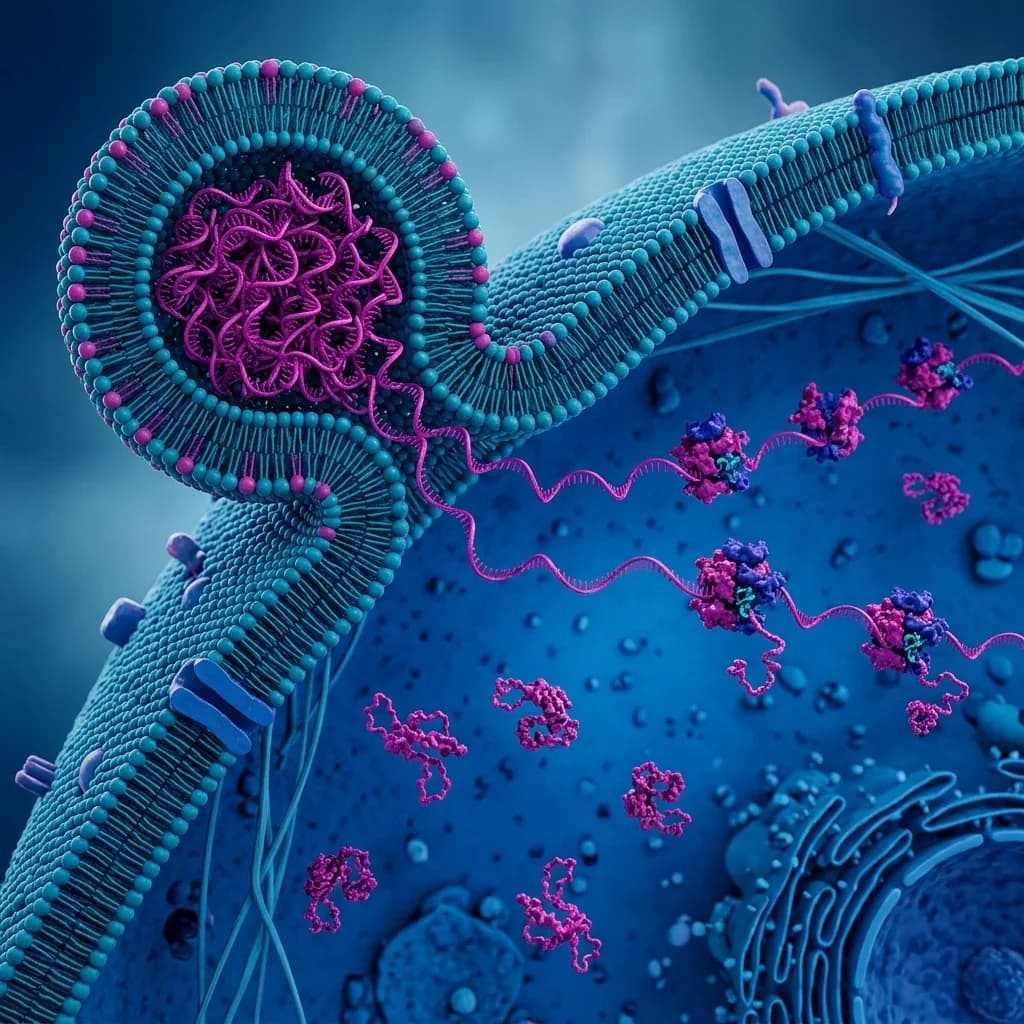
Universal Influenza & Pan-Coronavirus Nanoparticle mRNA Vaccines: Broadly Neutralizing Antibodies Targeting Conserved Stems
Universal Influenza & Pan-Coronavirus Nanoparticle mRNA Vaccines: Broadly Neutralizing Antibodies Targeting Conserved Stems Last updated: August 16, 2026 | 13-minute read Executive Summary: Annual inf…

Microbiome Postbiotics & Tight Junction Integrity: Akkermansia Muciniphila and Urolithin A in Metabolic Syndrome & NAFLD Reversal
Microbiome Postbiotics & Tight Junction Integrity: Akkermansia Muciniphila and Urolithin A in Metabolic Syndrome & NAFLD Reversal Last updated: August 12, 2026 | 13-minute read Executive Summary: The …
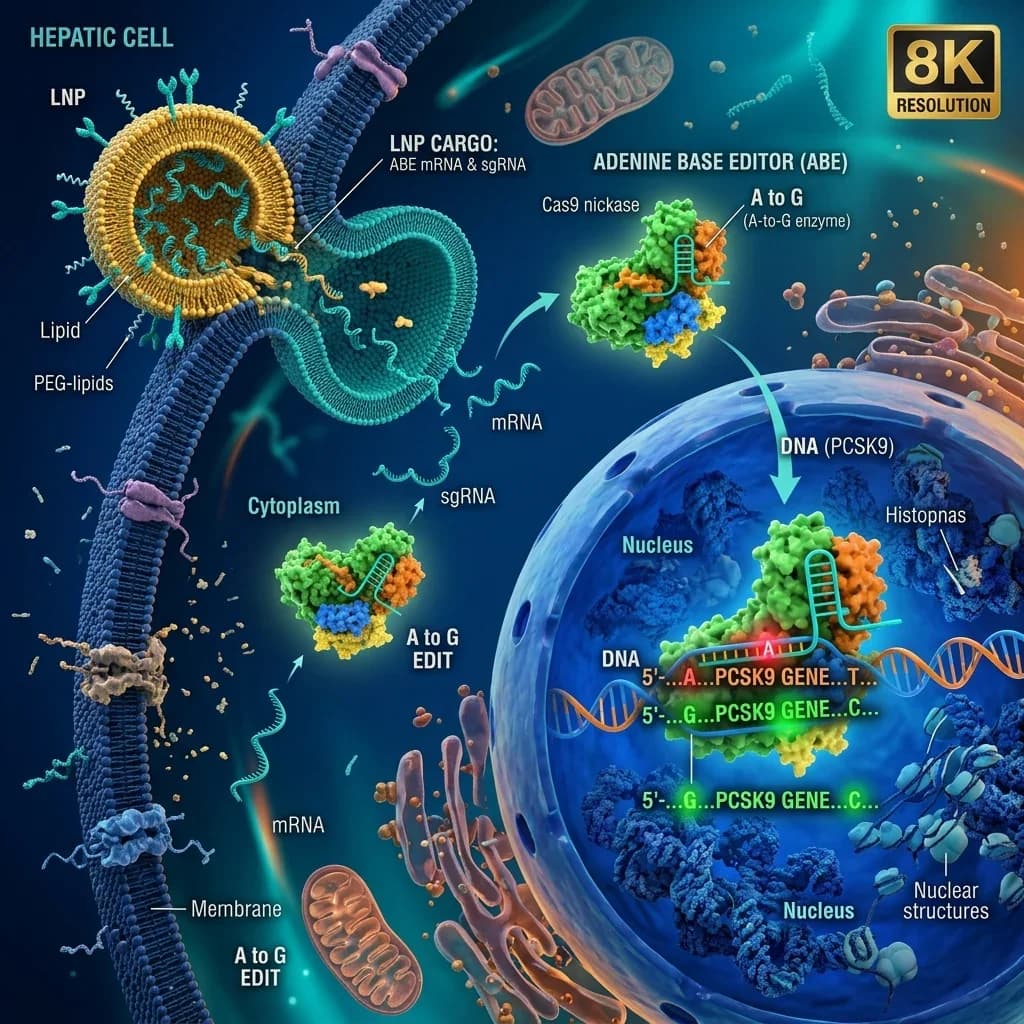
Xenotransplantation Milestone: 10-Gene Edited Porcine Kidney Transplantation Achieves Sustained Long-Term Renal Function in Humans
Xenotransplantation Milestone: 10-Gene Edited Porcine Kidney Transplantation Achieves Sustained Long-Term Renal Function in Humans Last updated: August 09, 2026 | 13-minute read Executive Summary: Ove…