Stock Market Circuit Breakers, ASM/GSM Surveillance & T+1 Settlement in India: The Master Regulatory FAQ

Stock Market Circuit Breakers, ASM/GSM Surveillance & T+1 Settlement in India: The Master Regulatory FAQ
Last updated: August 13, 2026 | 13-minute read
Quick Summary: The Securities and Exchange Board of India (SEBI) and stock exchanges (NSE/BSE) enforce advanced market safety mechanisms to protect retail participants from excessive speculative manipulation, flash crashes, and settlement defaults. This master FAQ explains nationwide index circuit breakers (10%, 15%, 20% halts), individual stock dynamic price bands, Additional Surveillance Measure (ASM) & Graded Surveillance Measure (GSM) frameworks, and India’s global leadership in T+1 and instantaneous optional T+0 trade settlements.
+---------------------------------------------------------------------------------------------------+
|                        SEBI & NSE MARKET INTEGRITY & SURVEILLANCE PIPELINE                        |
+---------------------------------------------------------------------------------------------------+
                                                  │
         ┌────────────────────────────────────────┼────────────────────────────────────────┐
         ▼                                        ▼                                        ▼
+──────────────────────────+             +──────────────────────────+             +──────────────────────────+
| INDEX CIRCUIT BREAKERS   |             | SURVEILLANCE (ASM / GSM) |             | T+1 SETTLEMENT CYCLE     |
| • 10% Move: 45-Min Halt  |             | • High Client Concentrat.|             | • Day T: Trade Executed  |
| • 15% Move: 105-Min Halt |             | • 100% Upfront Margin Req|             | • Day T+1: Shares Credite|
| • 20% Move: Day Trading  |             | • Daily Price Capped @ 5%|             | • Instant Payout Pipeline|
+──────────────────────────+             +──────────────────────────+             +──────────────────────────+
         │                                        │                                        │
         └────────────────────────────────────────┼────────────────────────────────────────┘
                                                  ▼
+---------------------------------------------------------------------------------------------------+
| SYNTHESIS: Advanced Algorithmic Risk Dampening Preventing Systemic Contagion on Dalal Street      |
+---------------------------------------------------------------------------------------------------+
❓ Frequently Asked Questions (Master Market Regulation Guide)
1. How Do Index-Wide Circuit Breakers Work on Nifty and Sensex?
Index-level circuit filters apply to both the Nifty 50 and Sensex benchmarks when triggered in either direction (upward or downward):
- 10% Movement:
- Before 1:00 PM: 45-minute trading halt + 15-minute pre-open auction.
- Between 1:00 PM and 2:30 PM: 15-minute trading halt + 15-minute pre-open auction.
- At or After 2:30 PM: Zero trading halt; trading continues.
- 15% Movement:
- Before 1:00 PM: 1 hour 45 minutes trading halt + 15-minute pre-open auction.
- Between 1:00 PM and 2:00 PM: 45-minute trading halt + 15-minute pre-open auction.
- At or After 2:00 PM: Trading halted for the remainder of the day.
- 20% Movement: Trading is halted immediately for the remainder of the entire trading day across all equity and derivative cash segments.
+---------------------------------------------------------------------------------------------------+
|                           INDEX CIRCUIT BREAKER HALT DURATION MATRIX                              |
+---------------------------------------------------------------------------------------------------+
 [Nifty / Sensex Benchmark Moves 10% / 15% / 20%]
                         │
         ┌───────────────┼───────────────────────────────┐
         ▼               ▼                               ▼
 [Triggered <1:00 PM]  [Triggered 1:00 PM–2:30 PM]      [Triggered >= 20% Any Time]
 • 10% Move: 45m Halt  • 10% Move: 15m Halt             • Full Day Market Freeze
 • 15% Move: 105m Halt • 15% Move: 45m Halt             • Zero Cash / F&O Trading
+---------------------------------------------------------------------------------------------------+
2. What is the Difference Between ASM and GSM Surveillance Lists?
To curb pump-and-dump operations in mid-cap and penny stocks, SEBI and exchanges place high-volatility securities under special surveillance:
- Additional Surveillance Measure (ASM): Triggered by abnormal price-to-earnings expansion, excessive client concentration, and high volume spikes. Placed in Long-term or Short-term ASM stages. Requires 100% upfront cash margin (no intraday leverage) and daily price bands capped at 5%.
- Graded Surveillance Measure (GSM): Applied to small-cap/micro-cap stocks where abnormal share price surges diverge from fundamental financial metrics (negative net worth, zero operating revenue). Stages range from Stage I (price band limits) to Stage IV (trading allowed only once a week with heavy additional surveillance deposits).
3. What Does "Upper Circuit" and "Lower Circuit" Mean for an Individual Stock?
Individual stocks (outside the F&O segment) have fixed daily price fluctuation bands:
- Daily Price Bands: Typically capped at 2%, 5%, 10%, or 20% of the previous day's closing price.
- Circuit Lock: When a stock hits its Upper Circuit, there are only buyers and zero sellers in the market depth order book. When it hits its Lower Circuit, there are only sellers and zero buyers, preventing immediate order execution until price bands are revised by exchanges.
- (Note: Stocks included in the F&O derivative segment do NOT have fixed circuit limits; instead, they have dynamic 10% cooling bands that flex automatically during extreme volatility).
4. How Does T+1 (and Optional T+0) Trade Settlement Work in India?
India was the first major global economy to fully transition all equity stocks to a T+1 Settlement Cycle:
- Day T (Trade Day): You buy shares of Tata Motors on Monday at 11:00 AM.
- Day T+1 (Settlement Day): By Tuesday afternoon (approx. 1:00 PM–4:00 PM), the clearing corporation (NCL/ICCL) transfers the shares directly into your CDSL/NSDL Demat account, and sales proceeds are credited to the seller's ledger.
- T+0 Beta Phase: SEBI has introduced an optional same-day instantaneous settlement cycle for top liquid stocks, settling funds and shares within 4 hours of trade execution.
5. Can I Sell Shares Bought Under T+1 Before They Settle (BTST)?
YES (Buy Today Sell Tomorrow - BTST): You can sell shares on Day T+1 before final depository payout. However:
- If you sell under BTST and the original seller defaults on delivery to the clearing corporation, your trade is sent to Short Delivery Auction, where an auction penalty may be debited from your ledger.
- With modern T+1 settlement speed, auction default rates in India have dropped below 0.02%.
📊 Summary Reference: Market Surveillance Tier Matrix
+---------------------------------------------------------------------------------------------------+
|                         ASM & GSM REGULATORY RESTRICTIONS SUMMARY                                 |
+---------------------------------------------------------------------------------------------------+
| Surveillance Stage           | Margin Requirement                 | Daily Price Band Ceiling      |
+------------------------------+------------------------------------+-------------------------------+
| Normal Stock                 | Normal SPAN / VaR Margin (Intraday)| 20% Band (or Dynamic F&O)     |
| Short-Term ASM Stage I       | 100% Upfront Margin (Zero Leverage)| 5% / 10% Price Band           |
| Long-Term ASM Stage IV       | 100% Cash Margin                   | 5% Price Band (Weekly Settle) |
| GSM Stage I                  | 100% Margin Required               | 5% Price Band                 |
| GSM Stage IV                 | 100% Margin + 100% Extra ASD Fee   | Traded Only Once a Week       |
+---------------------------------------------------------------------------------------------------+
📌 The Bottom Line & Actionable Market Rules
+---------------------------------------------------------------------------------------------------+
|                              TOPIC SLUG ALIGNED ACTIONABLE TAKEAWAYS                              |
+---------------------------------------------------------------------------------------------------+
| Topic Slug                           | Core Actionable Takeaway for Dalal Street Traders          |
+--------------------------------------+------------------------------------------------------------+
| stock-market-regulatory-faq          | SEBI market safety rules make India's market infrastructure|
| index-circuit-breakers-rules         | Don't panic when an index circuit halts trading; re-evaluat|
| asm-gsm-surveillance-framework       | Avoid illiquid penny stocks placed in GSM Stages II to IV. |
| t-plus-one-instant-settlement        | Benefit from fastest trade-to-cash conversions globally.  |
| sebi-market-integrity-mechanisms     | Always place limit orders when buying near circuit limits. |
+---------------------------------------------------------------------------------------------------+
📫 Subscribe to India Market Intelligence
Get regulatory policy alerts, SEBI circular breakdowns, and market microstructure guides delivered to your inbox every week.
Subscribe to Knowelth Free Newsletter →
Disclosure: This FAQ is published for educational and financial regulatory analysis purposes.
Enjoyed this post?
Get our weekly digest delivered free.
Share this post:
Knowelth is reader-supported. We may earn a commission from links in this article at no extra cost to you. Read our disclosure.
Related Posts
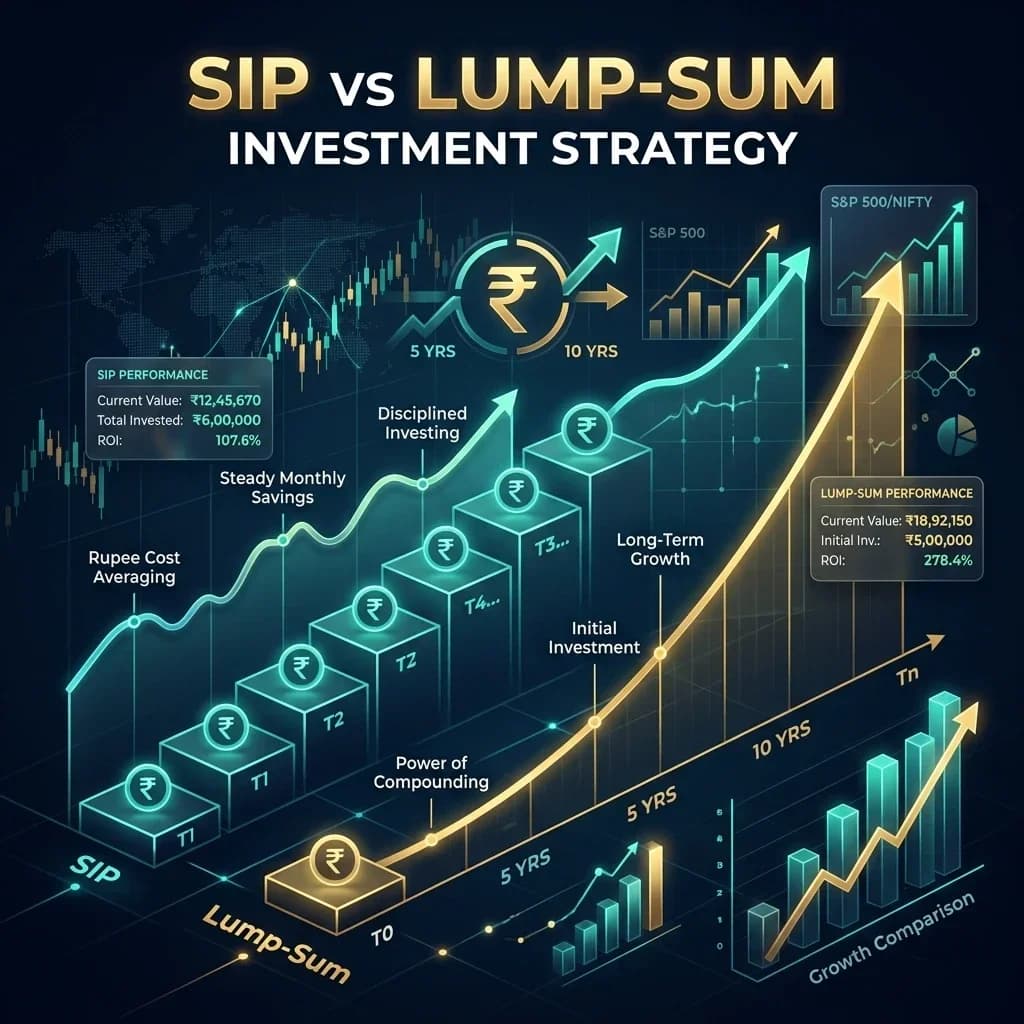
Home Loan Prepayment vs Mutual Fund SIP Master FAQ: Mathematical Breakeven, Tax Drag & 20-Year Compounding Comparison
Home Loan Prepayment vs Mutual Fund SIP Master FAQ: Mathematical Breakeven, Tax Drag & 20-Year Compounding Comparison Last updated: August 15, 2026 | 13-minute read Quick Summary: Indian home buyers f…
Health Insurance in India Master FAQ: Cashless Everywhere, Portability Rules, Waiting Periods & Room Rent Capping Truth
Health Insurance in India Master FAQ: Cashless Everywhere, Portability Rules, Waiting Periods & Room Rent Capping Truth Last updated: August 10, 2026 | 13-minute read Quick Summary: In India, medical …

Public Provident Fund (PPF) Master FAQ: 15-Year Maturity, 7.1% Interest Rate Compounding, 5th-Day Deposit Rule & Loan Facilities
Public Provident Fund (PPF) Master FAQ: 15-Year Maturity, 7.1% Interest Rate Compounding, 5th-Day Deposit Rule & Loan Facilities Last updated: August 07, 2026 | 12-minute read Quick Summary: The Publi…