Clinical Validation of Ayurveda: Scientific Evidence for Drakshavaleha, Ayush-82, and Ayush-64
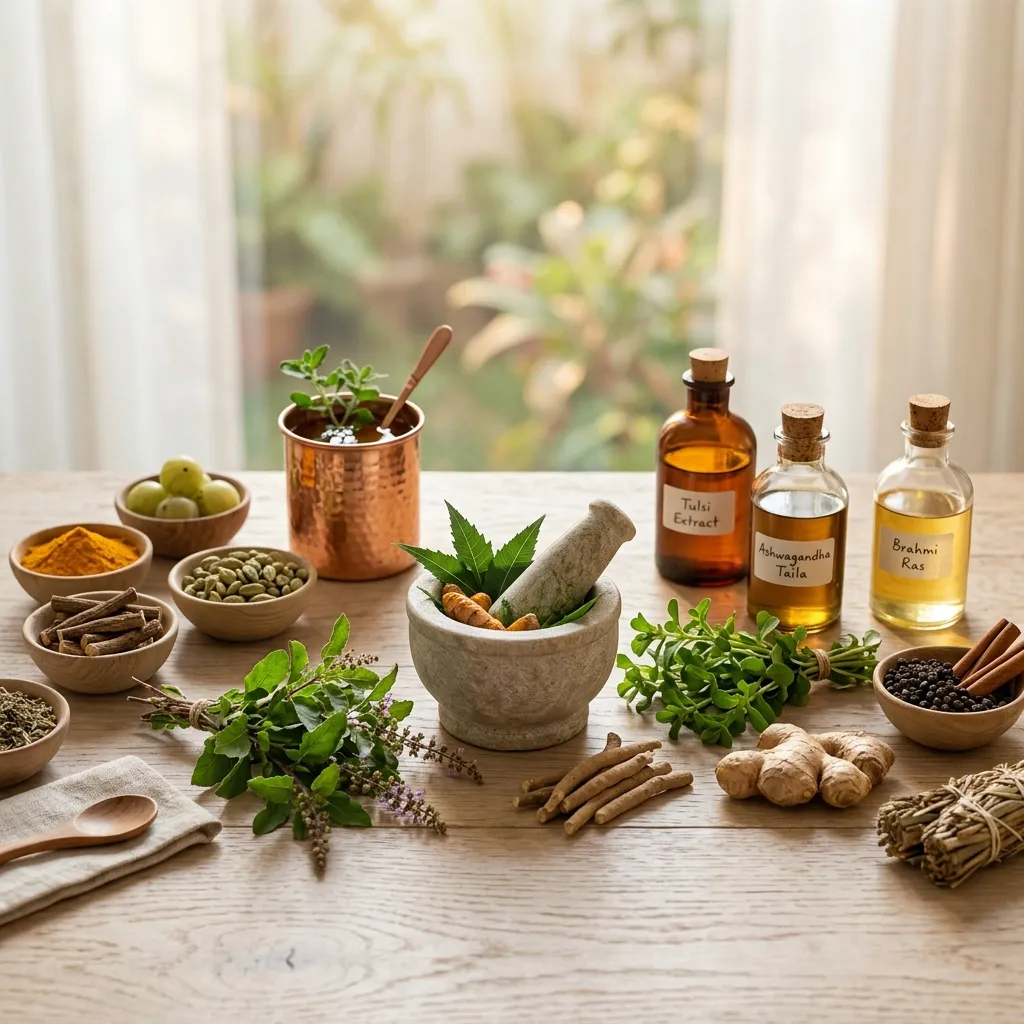
Clinical Validation of Ayurveda: Scientific Evidence for Drakshavaleha, Ayush-82, and Ayush-64
In an era where modern medicine is increasingly looking toward holistic models of care, traditional Indian medicine (AYUSH) is undergoing a renaissance of scientific scrutiny. Rather than relying solely on centuries of experiential success, contemporary researchers are subjecting classical Ayurvedic formulations to the gold standard of evidence-based science. Through randomized controlled trials, molecular docking, and multicenter clinical evaluations, formulations like Drakshavaleha, Ayush-82, and Ayush-64 are being vindicated, proving that traditional pharmacology offers safe, potent, and standardized therapeutics for modern metabolic, hematological, and immunological challenges.
🌿 Drakshavaleha: A Classical Rejuvenator Earns Clinical Equivalence in Anemia Care
In the Ayurvedic clinical framework, anemia is understood as Pandu Roga, a disease primarily arising from an imbalance in the Pitta dosha that disrupts the quality of Rasa Dhatu (plasma) and Rakta Dhatu (blood). This disruption compromises metabolic transformation (Dhatvagni) and results in characteristic paleness, fatigue, and decreased vitality. Traditional management focuses on nourishing the blood and restoring digestive fire. Drakshavaleha, a classical semi-solid confection (avaleha), uses Draksha (Vitis vinifera / raisins) as its principal ingredient. It is systematically cooked with sugar, honey, and an array of warming, bioenhancing spices including Pippali (Piper longum) and Shunthi (Zingiber officinale), yielding a potent formulation designed to balance Pitta, nourish Rakta, and serve as a Rasayana (rejuvenator).
Modern hematology relies heavily on synthetic oral iron supplements to address iron deficiency anemia. However, these conventional treatments are notorious for causing gastrointestinal side effects, such as severe constipation, gastric irritation, nausea, and abdominal cramping, which often lead to poor patient compliance. In contrast, recent clinical studies—most notably a multicenter randomized controlled trial supported by the Indian Council of Medical Research (ICMR) and the Central Council for Research in Ayurvedic Sciences (CCRAS)—evaluated the therapeutic efficacy of Drakshavaleha (alongside Punarnavadi Mandura) against standard iron-folic acid (IFA) tablets. The trial demonstrated that the Ayurvedic protocol was therapeutically equivalent to standard IFA in restoring hemoglobin levels, improving red blood cell count, and raising serum ferritin, but with a significantly superior safety profile.
This therapeutic equivalence is explained by both Ayurvedic pharmacology and modern phytochemistry. Drakshavaleha contains a rich concentration of bioavailable, plant-based iron, vitamin C, and essential organic acids from raisins and companion herbs. Vitamin C is a well-established enhancer of non-heme iron absorption in the gut. Furthermore, the inclusion of Trikatu (ginger, black pepper, and long pepper) in the formulation stimulates the secretion of digestive enzymes, thereby enhancing the bioavailability and absorption of nutrients without irritating the gastric mucosa. Consequently, patients in the Ayurvedic cohort reported marked improvements in appetite, digestion, and physical stamina, side-stepping the gut dysbiosis and inflammation typically induced by heavy synthetic iron salts.
In addition to its hematinic effects, Drakshavaleha's broader systemic benefits are being validated through preclinical research. Studies on animal models have confirmed its immunomodulatory, hepatoprotective, and antioxidant activities, which support the traditional categorization of this formulation as a Rasayana. By protecting hepatocytes from oxidative stress and regulating lipid metabolism, the formulation aids overall systemic recovery post-illness. These dual actions—rebuilding iron stores while enhancing metabolic efficiency—make Drakshavaleha an exemplar of integrative hematology, offering a gentle, well-tolerated, and clinically validated alternative to conventional iron supplementation.
🩺 Ayush-82: Synergizing Polyherbal Bioactives for Glycemic Regulation
Within the Ayurvedic paradigm, Type 2 Diabetes Mellitus is recognized as a manifestation of Madhumeha (literally "honey-like urine"), which is a chronic subtype of Prameha (urinary and metabolic disorders). Ayurveda attributes Madhumeha to a progressive decline in metabolic fire (Dhatvagni) and a severe imbalance of Kapha dosha, which leads to the accumulation of Ama (metabolic toxins) in the fat (Medas), muscle, and fluid tissues of the body. Treatment strategies are designed not just to temporarily lower blood sugar, but to rekindle the metabolic fire, optimize insulin sensitivity at the cellular level, and protect target organs from chronic degenerative damage. To address this complex pathophysiology, CCRAS developed Ayush-82, a patented, standardized polyherbal formulation.
Ayush-82 represents a meticulous synthesis of traditional botanical wisdom and contemporary pharmacology. It is composed of equal parts of four key anti-hyperglycemic botanicals: Amra (Mango seed kernel / Mangifera indica), Jambu (Jamun seed / Syzygium cumini), Karela (Bitter melon / Momordica charantia), and Gudmar (Gymnema sylvestre), which is further purified and fortified with mineral-rich Shilajit. Each of these ingredients brings distinct, complementary actions. For instance, Gudmar is famous for its "sugar-destroying" properties, Jambu has astringent qualities that help regulate urination, Karela acts as a potent bitter blood purifier, and Amra aids in lipid regulation, while Shilajit serves as a powerful cellular rejuvenator and mineralizer.
Contemporary clinical trials have heavily focused on verifying the efficacy and safety of Ayush-82 in diabetic care. Retrospective analyses and double-blind RCTs conducted across multiple AYUSH and modern medical institutions have shown that Ayush-82 is highly effective in managing blood glucose levels in patients with newly diagnosed or mild-to-moderate Type 2 diabetes. Patients taking the formulation showed statistically significant reductions in fasting blood glucose, postprandial blood glucose, and HbA1c levels over a 12-week period. Unlike standard sulfonylureas or insulin secretagogues, Ayush-82 regulates glucose levels without the risk of inducing acute hypoglycemia, making it an exceptionally safe monotherapy or complementary agent for long-term glycemic control.
Pharmacological studies have traced these clinical benefits to specific molecular pathways. The active constituents in Ayush-82—such as gymnemic acids from Gudmar, charantin and polypeptide-p from Karela, and jamboline from Jambu—work in synergy to inhibit $\alpha$-amylase and $\alpha$-glucosidase enzymes in the small intestine. This enzymatic inhibition slows down the breakdown and absorption of dietary carbohydrates, preventing postprandial glucose spikes. Concurrently, these compounds stimulate insulin secretion from pancreatic beta cells, enhance GLUT4 translocation to boost peripheral glucose uptake in skeletal muscle, and lower lipid levels. By addressing insulin resistance at multiple cellular sites, Ayush-82 validates the Ayurvedic principle of polyherbal synergy, treating diabetes as a systemic metabolic disorder rather than a simple symptom of elevated sugar.
🛡️ Ayush-64: Standardizing Bitter Immunomodulators for Pulmonology and Viral Defense
Traditional Indian medicine explains respiratory disorders and systemic febrile conditions under the classifications of Pranavaha Srotas (respiratory channel) pathologies and Jwara (fevers). These conditions typically arise from an accumulation of Kapha and Vata doshas, which obstructs the flow of vital breath (Prana) and suppresses the metabolic heat of the tissue (Jatharagni), leading to inflammatory congestive crises. Ayush-64 was originally formulated in the 1980s by CCRAS as a patent antimalarial medication. It was designed around the Ayurvedic concepts of Tikta (bitter) rasa and Ushna (heating) virya, utilizing a synergistic blend of four highly potent bitter herbs: Saptaparna (Alstonia scholaris bark), Katuki (Picrorhiza kurroa root), Kiratatikta (Swertia chirata), and Kuberaksha (Caesalpinia bonducella seeds).
While originally validated for its antimalarial efficacy, Ayush-64 underwent a major scientific repurposing during the COVID-19 pandemic. Recognizing its strong immunomodulatory and antiviral characteristics, researchers initiated robust multi-center, open-label randomized controlled trials to evaluate it as an adjunct to standard of care (SoC) in patients with mild-to-moderate respiratory infections. The clinical results, published in peer-reviewed international journals, were compelling: patients receiving Ayush-64 in addition to SoC showed significantly faster clinical recovery, shorter duration of hospitalization, and rapid relief from symptoms like cough, dyspnea, fatigue, and body ache compared to those on SoC alone.
From a molecular perspective, the therapeutic efficacy of Ayush-64 is driven by its dense array of secondary metabolites, including iridoid glycosides (like picroside from Katuki), secoiridoid glycosides (like amarogentin from Kiratatikta), and alkaloids (from Saptaparna). Network pharmacology and molecular docking analyses have revealed that these active compounds bind to and inhibit key viral replication enzymes, such as the main protease ($M^{pro}$), while simultaneously regulating the host's inflammatory response. The formulation was shown to suppress the overproduction of pro-inflammatory cytokines, including interleukin-6 (IL-6) and tumor necrosis factor-alpha (TNF-$\alpha$), thereby preventing the hyper-inflammatory cascade (often termed a "cytokine storm") that leads to severe pulmonary tissue damage.
In addition to its anti-inflammatory and antiviral properties, Ayush-64 excels as a hepatoprotective agent, primarily due to the inclusion of Katuki (Picrorhiza kurroa). This protection is crucial because many conventional antiviral medications place a heavy load on liver function, leading to elevated liver enzymes. By supporting bile flow, scavenging free radicals, and protecting liver tissue, Ayush-64 ensures that systemic clearance of viral debris occurs without hepatotoxic strain. The clinical validation of Ayush-64 highlights the power of repurposing traditional multi-component formulations, showing that classic bitter immunomodulators can be integrated into modern pulmonology to combat complex viral diseases.
📌 The Bottom Line
- drakshavaleha: Multicenter clinical trials confirm that Drakshavaleha provides a highly effective, gastrointestinal-friendly herbal alternative to synthetic iron supplements for correcting iron-deficiency anemia (Pandu).
- ayush-82: Standardized polyherbal formulation Ayush-82 regulates blood glucose in Type 2 diabetes through intestinal enzyme inhibition and enhanced cellular insulin sensitivity, without the risk of hypoglycemia.
- ayush-64: Repurposed antimalarial Ayush-64 is clinically proven to accelerate recovery in mild-to-moderate viral respiratory infections by downregulating pro-inflammatory cytokine pathways and boosting host defense mechanisms.
Disclaimer: The information provided in this post is for educational and informational purposes only. It is not intended to be a substitute for professional medical advice, diagnosis, or treatment. Always seek the advice of your physician or other qualified health provider with any questions you may have regarding a medical condition.
Enjoyed this post?
Get our weekly digest delivered free.
Share this post:
Knowelth is reader-supported. We may earn a commission from links in this article at no extra cost to you. Read our disclosure.
Related Posts
Systems Biology, Circadian Dinacharya, and Gut-Agni Chrono-Nutrition: The Science Validating Ayurvedic Medicine
Systems Biology, Circadian Dinacharya, and Gut-Agni Chrono-Nutrition: The Science Validating Ayurvedic Medicine Modern healthcare is undergoing a paradigm shift from reductionist single-molecule thera…
Clinical Validation in Ayurveda: Cardiometabolic Formulations, Chrononutrition Agni Science, and Ayurgenomics in Ovarian Reserve
Clinical Validation in Ayurveda: Cardiometabolic Formulations, Chrononutrition Agni Science, and Ayurgenomics in Ovarian Reserve Traditional Indian medicine is undergoing a profound scientific renaiss…
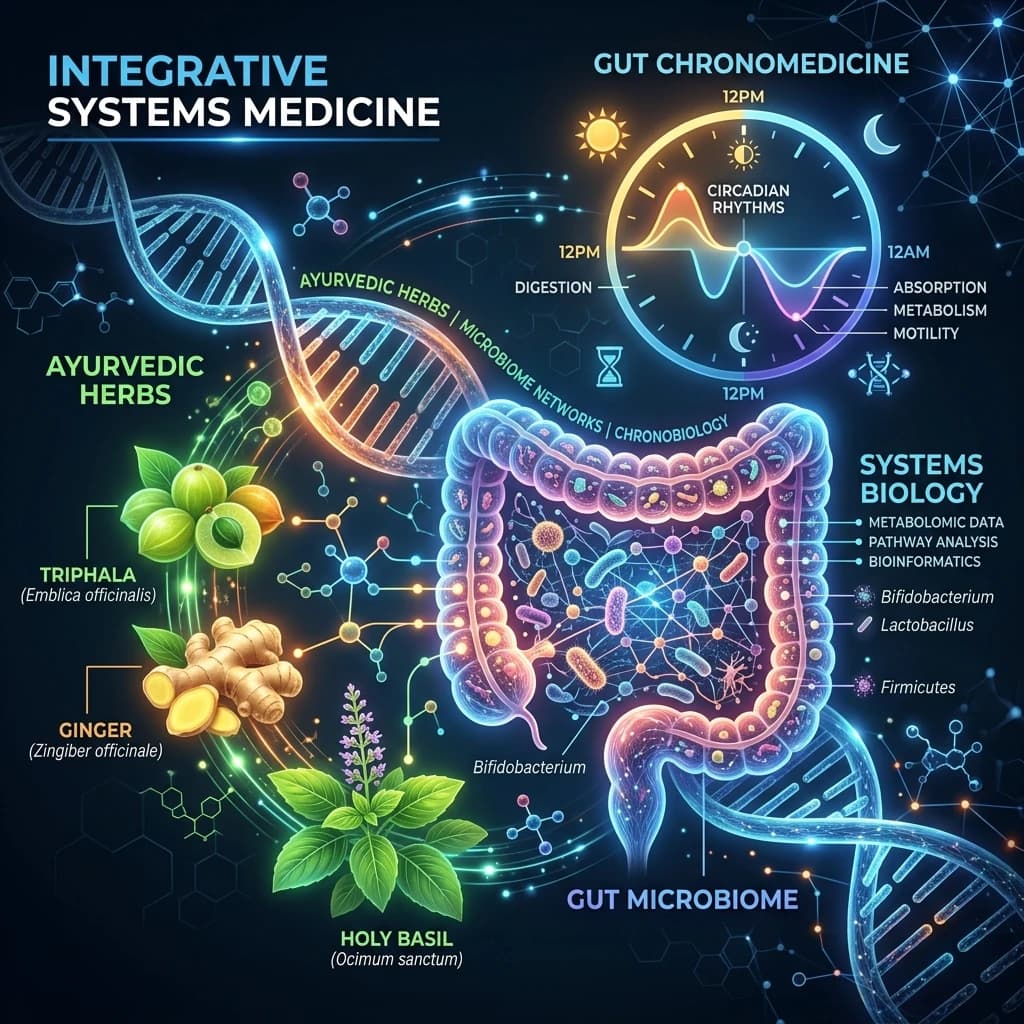
Ayurveda Meets Systems Biology: Agni, Chronomedicine, and Botanical Synergy in Modern Clinical Science
Ayurveda Meets Systems Biology: Agni, Chronomedicine, and Botanical Synergy in Modern Clinical Science The 2025–2026 wave of systems biology research has made an unambiguous statement: the three pilla…