The AI Power Bottleneck Is a Policy Failure, Not a Physical Limit
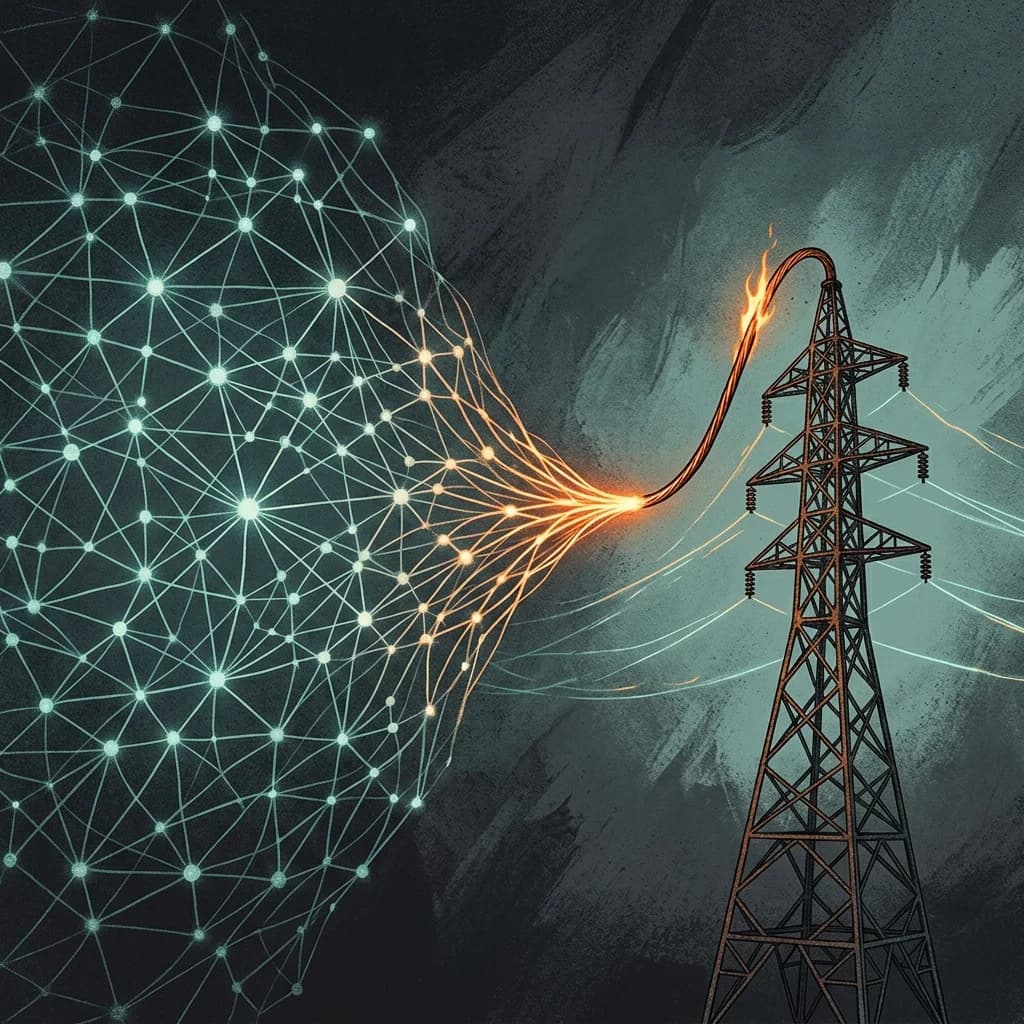
The AI Power Bottleneck Is a Policy Failure, Not a Physical Limit
Opinion | Editorial Desk | 2026-06-17
It takes between 12 and 18 months to build a state-of-the-art artificial intelligence data center, but in most developed economies, it takes between five and seven years to connect it to the electrical grid. This stark operational disconnect has sparked panic among tech executives, leading to dire predictions that power shortages will stall the artificial intelligence revolution by 2027. Yet the alarmist narrative of an impending physical energy ceiling misses the mark: this is not a crisis of resource scarcity, but a self-inflicted failure of regulatory and utility-level planning.
The Core Argument
The consensus among industry analysts is clear: grid connectivity, rather than raw compute capability, has emerged as the primary bottleneck for the technology sector. Global data center electricity consumption is projected to reach 565 terawatt-hours (TWh) in 2026—a staggering 26 percent increase over the previous year. This massive, concentrated spike in demand has caught regional utilities off guard, exposing the vulnerabilities of an electrical infrastructure designed for a bygone era.
The crisis is structural, not resource-driven. Modern AI data centers present concentrated, high-magnitude loads that regional grids were never engineered to support. In the United States and Europe, the regulatory frameworks governing utilities operate on slow, risk-averse multi-year cycles. These structures are fundamentally incompatible with the hyper-scaled timelines of the tech sector. By failing to modernize grid interconnection processes, regulatory bodies have allowed bureaucratic inertia to masquerade as physical limits.
Rather than waiting for sluggish utilities, technology giants are taking matters into their own hands. Companies like Microsoft, Amazon, and Meta are bypassing the public grid entirely by buying up nuclear power capacity and constructing private, fossil-fueled microgrids to satisfy their immediate "speed to power" requirements. While this solves the short-term commercial challenges for tech firms, it sets a dangerous precedent. It creates a fragmented energy landscape where tech conglomerates monopolize clean energy baseloads, leaving the public grid dirtier, less reliable, and increasingly expensive for ordinary consumers.
Furthermore, this private flight from public infrastructure derails national and global decarbonization timelines. When a tech giant buys the entire output of an existing nuclear plant, that zero-carbon baseline power is diverted from public use, forcing local utilities to burn natural gas or coal to fill the void. The result is a net increase in carbon emissions, directly undermining the clean-energy pledges of both the tech sector and the governments that regulate them.
The Counterargument (and Why It Falls Short)
Proponents of this hands-off, private-sector approach argue that tech conglomerates are the ultimate catalysts for clean energy. They point to the massive Power Purchase Agreements (PPAs) signed by technology firms, arguing that corporate capital is subsidizing the development of new wind, solar, and next-generation nuclear technologies that would otherwise lack funding. From this perspective, the tech sector is not cannibalizing the grid but financing its reconstruction.
This argument, however, ignores the physical realities of transmission and grid stability. Signing a virtual power agreement does not instantly build physical transmission lines or resolve local grid congestion. In the real world, the power generated by a wind farm in Texas cannot easily stabilize a grid strain caused by a massive data center cluster in Virginia.
Moreover, by relying on paper-thin carbon accounting, tech companies shift the burden of maintaining grid reliability onto public ratepayers. When data centers demand continuous, uninterrupted power, local utilities must maintain expensive, carbon-intensive backup generation. When power auctions drive up electricity prices to accommodate these massive new corporate buyers, it is the residential consumer who pays the price in their monthly utility bills. The private sector captures the economic upside of AI, while the public internalizes the environmental and financial costs.
What Should Happen
To resolve this bottleneck without sacrificing public welfare or climate goals, governments must aggressively reform grid regulation. First, regulators must treat grid expansion as a matter of national security. Using emergency executive authorities, governments should expedite the permitting and construction of high-voltage transmission lines and dramatically shorten the years-long interconnection queues that currently stall new energy projects.
Second, regulatory bodies must mandate dynamic pricing and demand-side management for large-scale energy consumers. Data centers should not be allowed to act as passive, unyielding drains on the public grid. Instead, they must be legally required to demonstrate load-shedding capabilities during peak hours, utilizing on-site battery storage or flexible compute scheduling to stabilize the grid. In exchange, utilities can offer lower rates during off-peak hours, incentivizing operational efficiency.
Finally, governments must impose an infrastructure modernization levy on private data center developments. If tech companies choose to build private microgrids, they must pay into a public fund dedicated to upgrading local transmission lines and expanding municipal energy storage. We must ensure that the expansion of private digital infrastructure actively funds the modernization of public physical infrastructure.
The Bottom Line
The AI boom has exposed the structural rot at the heart of our utility sector: a slow, bureaucratic system incapable of handling rapid technological shifts. Bypassing this system with private corporate microgrids is a short-sighted retreat that threatens public infrastructure and climate goals. We do not lack the energy to power the future; we lack the policy to distribute it. If we want to lead the intelligence age, we must first build the grid that can sustain it.
The views expressed in this editorial represent an analytical position based on publicly available evidence and expert consensus, not personal or political affiliation.
Enjoyed this post?
Get our weekly digest delivered free.
Share this post:
📌 Disclosure: This post may contain affiliate links. If you make a purchase through our links, we may earn a commission at no extra cost to you. We only recommend products we believe in. See our Affiliate Disclosure.
Related Posts

The Geneva Illusion: Why the UN AI Dialogue Shields Tech Monopolies
The Geneva Illusion: Why the UN AI Dialogue Shields Tech Monopolies Opinion | Editorial Desk | July 9, 2026 As diplomats and tech executives gathered in Geneva for the UN's inaugural Global Dialogue o…
The Ankara Procurement Cartel: Why NATO is Shifting from Security to Shopping
The Ankara Procurement Cartel: Why NATO is Shifting from Security to Shopping Opinion | Editorial Desk | July 8, 2026 As leaders departed the NATO summit in Ankara, the traditional declarations of dem…

The Biotech Decoupling Delusion: Why the BIOSECURE Act Threatens the Next Generation of Lifesaving Medicine
The Biotech Decoupling Delusion: Why the BIOSECURE Act Threatens the Next Generation of Lifesaving Medicine Opinion | Editorial Desk | July 8, 2026 In the global theater of technological competition, …