Strait of Hormuz Security, UN Methane & AI Climate Warning, and WMO El Niño Declaration
Strait of Hormuz Security, UN Methane & AI Climate Warning, and WMO El Niño Declaration
As June 26, 2026 unfolds, a series of geopolitical negotiations, environmental initiatives, and technological assessments are shaping the global landscape. From the critical energy transit routes of Western Asia to the UN-led environmental discussions in London and the worldwide weather forecasts of the World Meteorological Organization, the international community is navigating a complex web of security and climate challenges. Here are the three primary developments redefining world affairs.
🌍 Strait of Hormuz: US-GCC Coalition Rejects Navigation Tolls Amid Bahrain Diplomatic Push
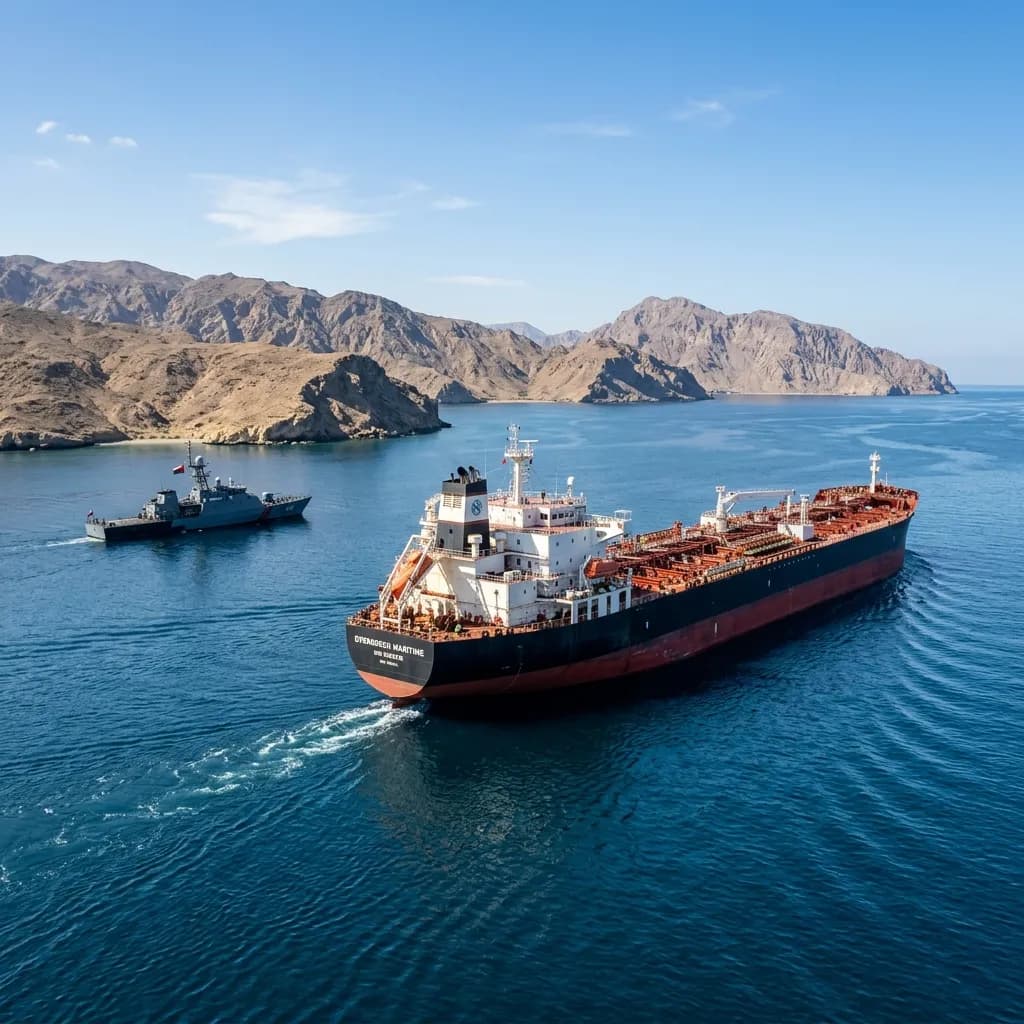
In a significant escalation of maritime diplomacy, the United States and the Gulf Cooperation Council (GCC) have issued a strong joint statement demanding unrestricted navigation in the Strait of Hormuz. Following recent localized shipping disruptions and rumors of attempted unilateral restrictions, the coalition formally rejected any efforts by regional actors to impose tolls or assert maritime control over the waterway. As one of the world's most critical energy transit bottlenecks, carrying approximately a fifth of global petroleum consumption, the strait's status as a free international passage remains a vital cornerstone of global economic stability.
Simultaneously, U.S. Secretary of State Marco Rubio has arrived in Bahrain for high-level meetings with Gulf foreign ministers. The diplomatic push is aimed at reassuring regional security partners that the ongoing bilateral negotiations between Washington and Tehran will not compromise the strategic interests of Gulf nations. A proposed Memorandum of Understanding (MoU) under negotiation in Switzerland has raised concerns among traditional allies regarding potential sanctions relief for Iran. The U.S. delegation seeks to demonstrate that any prospective agreement will include strict safeguards and a dedicated joint "de-confliction cell" to monitor regional activities and prevent escalations.
The combination of naval deterrence and diplomatic engagement highlights the delicate balancing act facing international policy makers in Western Asia. While negotiators attempt to build a framework for long-term regional stability, maintaining the physical security of shipping lanes in the Gulf remains the immediate priority for global trade.
🌱 London Climate Action Week: UN Launches Methane Call to Action and Warns on AI Grid Footprint
At London Climate Action Week, United Nations Secretary-General António Guterres delivered a sobering address outlining the accelerating threat of global warming. Warning that the planet is likely to exceed the critical 1.5°C warming threshold within the decade, Guterres pointed out that the past eleven years have registered as the hottest in recorded history. He cautioned that several ecological tipping points—including the collapse of tropical coral reefs, rapid melting of the Greenland and West Antarctic ice sheets, and the systemic degradation of the Amazon rainforest—are closer to reality than previously modeled.
In response to these threats, the UN has launched a new global "Call to Action on Methane." The initiative urges member states and the energy industry to implement immediate measures to eliminate methane leaks and end routine flaring in oil and gas production. Because methane is a highly potent greenhouse gas with a warming impact dozens of times greater than carbon dioxide over a short time horizon, Guterres characterized rapid methane reduction as the single fastest and most effective "brake" the world can apply to curb near-term global temperature rises.
Additionally, the Secretary-General raised alarms over the environmental footprint of rapid technological expansion. Guterres called on artificial intelligence firms and cloud computing providers to be fully transparent regarding the massive carbon, water, and land requirements of their data centers. The rapid deployment of large-scale reasoning models has driven unprecedented electricity consumption, straining national power grids and threatening to offset green energy transitions. The UN's call underscores the growing need to align technological progress with global carbon reduction targets.
🌡️ Climate Extremes: WMO Declares El Niño Conditions as European Heatwave Breaks Records
The World Meteorological Organization (WMO) has officially declared the onset of El Niño conditions, warning that the warming of sea surface temperatures in the central and eastern tropical Pacific is expected to exacerbate extreme weather and rainfall patterns globally through the remainder of 2026. The WMO forecast indicates that this recurring climate pattern will likely push global average temperatures to near-record heights and disrupt agricultural yields in vulnerable regions. The declaration serves as an urgent alert for governments to prepare disaster response plans and secure food supply chains.
The impacts of this warming trend are already manifest in Europe, where a historic and record-breaking heatwave is currently gripping the continent. Scientific attribution platforms and meteorological experts have analyzed the event, concluding that the extreme temperatures would have been statistically impossible without the compounding effect of human-induced greenhouse gas accumulation. Major metropolitan areas across Europe have issued high-alert warnings as local infrastructure, transportation networks, and public health systems face severe stress under the persistent heat.
Economic researchers have warned that these escalating extreme weather events pose a severe threat to long-term economic development. Prolonged droughts and crop failures are projected to increase utility costs and food prices, disproportionately affecting low-income populations and potentially driving millions of households into energy and resource poverty. The parallel developments of the WMO warning and the European crisis reinforce the urgent need for robust climate adaptation strategies across both developing and developed nations.
📌 The Bottom Line
- hormuz-security: The US-GCC coalition has firmly rejected any maritime tolls in the Strait of Hormuz, while Secretary Rubio conducts reassuring security diplomacy with Gulf allies in Bahrain.
- un-methane-ai-warning: The UN has launched an urgent methane reduction initiative while warning that the massive energy and resource footprint of global AI data centers could derail climate goals.
- el-nino-declaration: The WMO's official El Niño declaration comes as a record-breaking European heatwave highlights the immediate human, infrastructural, and economic risks of climate change.
Enjoyed this post?
Get our weekly digest delivered free.
Share this post:
📌 Disclosure: This post may contain affiliate links. If you make a purchase through our links, we may earn a commission at no extra cost to you. We only recommend products we believe in. See our Affiliate Disclosure.
Related Posts
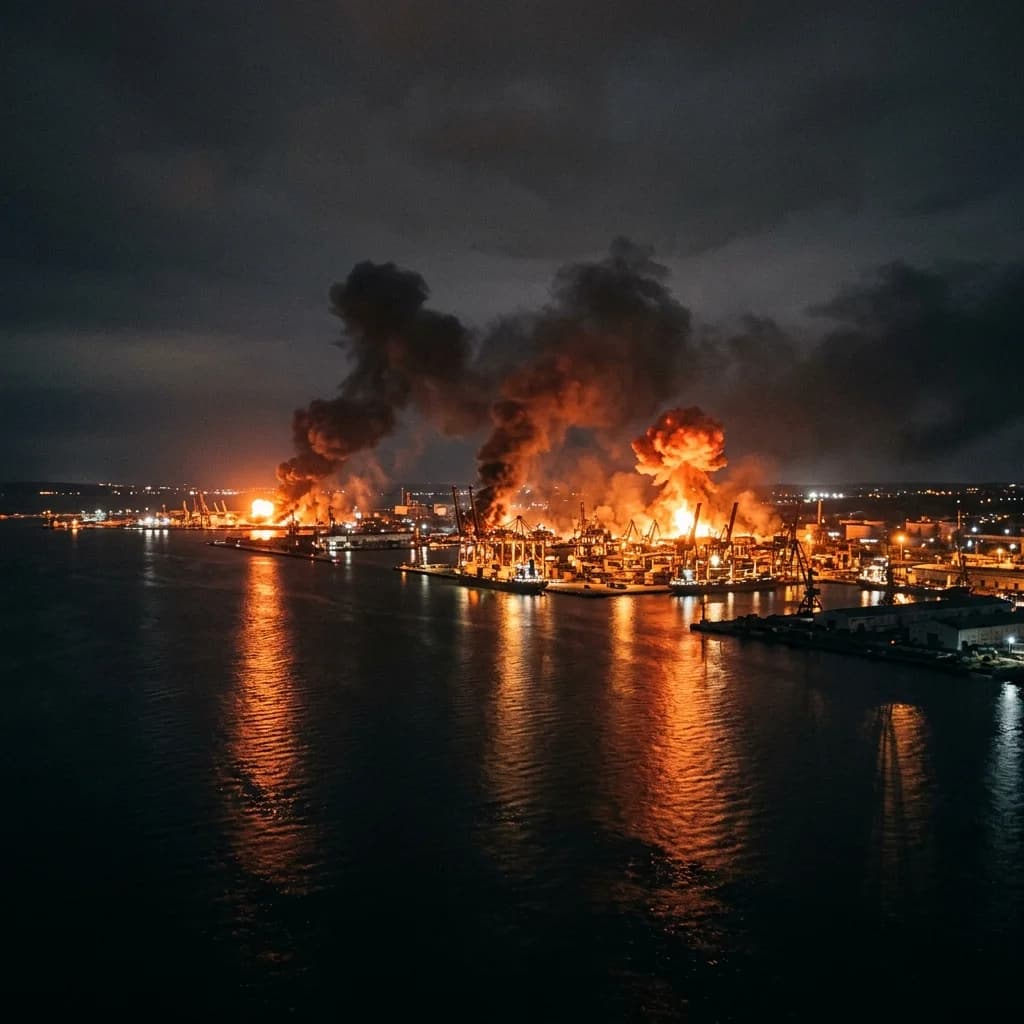
U.S. Launches Major Night Strikes on 90 Targets in Iran as Ceasefire Declared Over
Breaking: U.S. Launches Major Night Strikes on 90 Targets in Iran as Ceasefire Declared Over Last updated: 2026-07-09 11:15 IST The United States military has launched a massive wave of airstrikes tar…
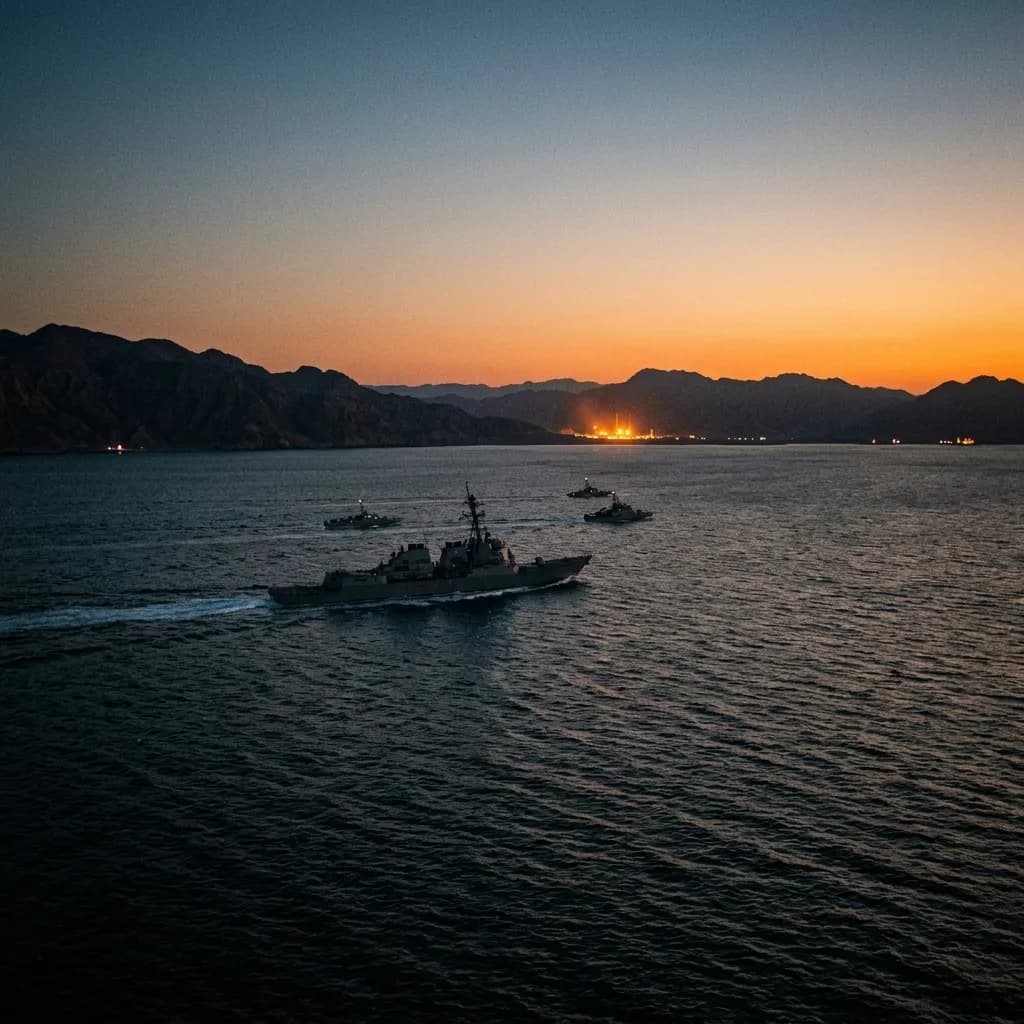
U.S.-Iran Ceasefire Collapses Amid Persian Gulf Military Strikes
Breaking: U.S.-Iran Ceasefire Collapses Amid Persian Gulf Military Strikes Last updated: 2026-07-08 22:30 IST The fragile ceasefire between the United States and Iran has collapsed after a series of m…
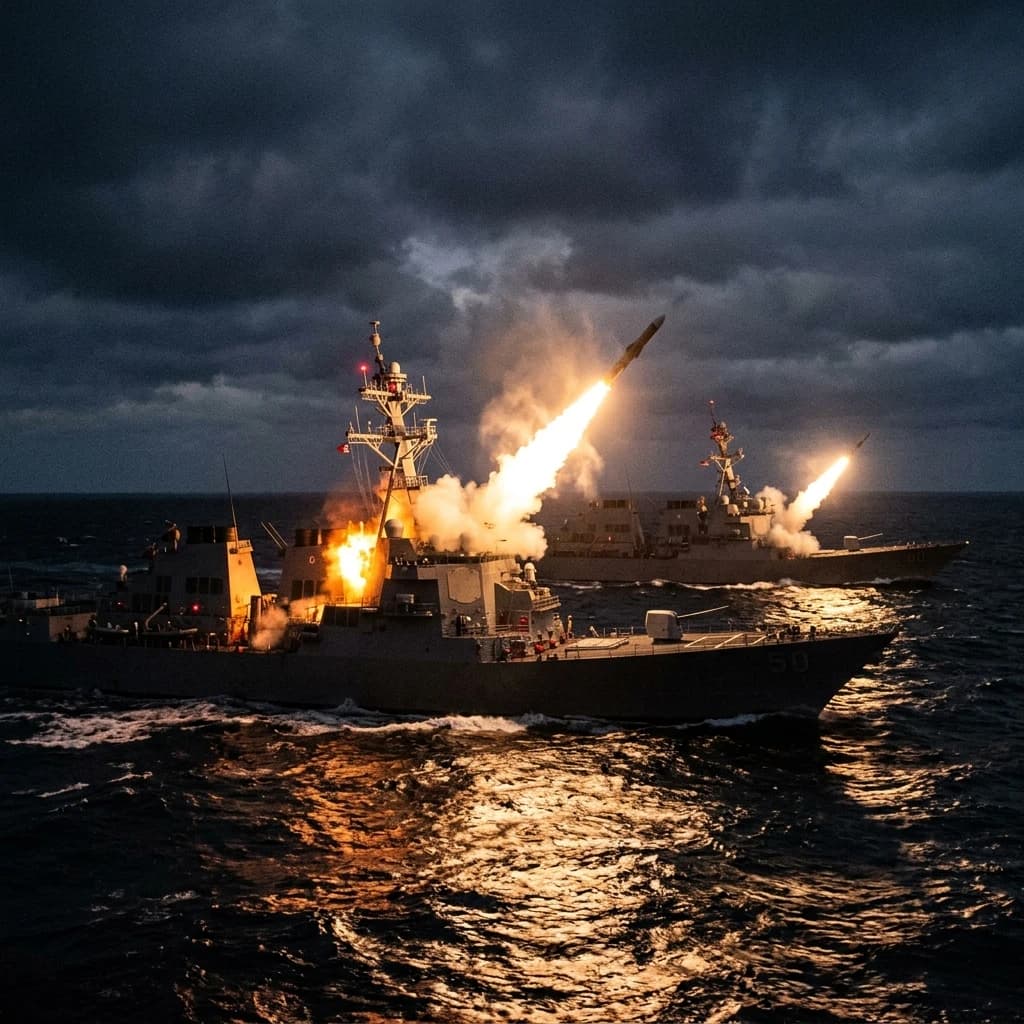
Breaking: US Launches Massive Strikes on 80 Iran Sites; Tehran Retaliates Against US Bases in Bahrain and Kuwait
Breaking: US Launches Massive Strikes on 80 Iran Sites; Tehran Retaliates Against US Bases in Bahrain and Kuwait Last updated: 2026-07-08 17:20 IST On July 8, 2026, the United States Central Command (…