Science-Backed Ayurveda: Haritaki-Shallaki for Memory, Kaishore Guggulu for Gout, and Avipattikar Churna for GERD
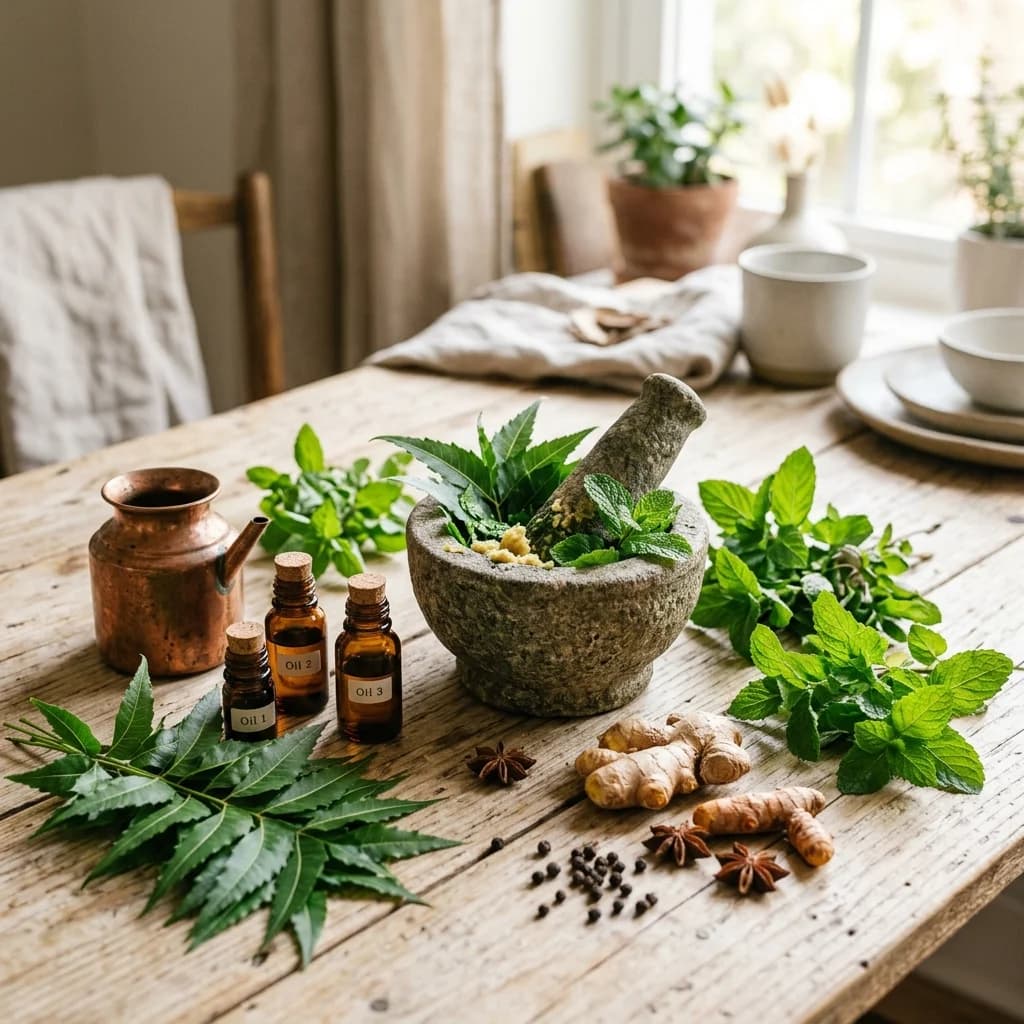
Science-Backed Ayurveda: Haritaki-Shallaki for Memory, Kaishore Guggulu for Gout, and Avipattikar Churna for GERD
As modern clinical research increasingly aligns with traditional medicine, the therapeutic synergy of classical Ayurvedic herbs and polyherbal formulations continues to receive validation. This week, we examine the scientific evidence supporting a standardized Haritaki-Shallaki blend for cognitive enhancement and sleep, the efficacy of Kaishore Guggulu in managing gouty arthritis, and the gastroprotective mechanics of Avipattikar Churna for acid reflux. By grounding these ancient remedies in contemporary pharmacology, we can unlock safe, holistic, and evidence-based solutions for everyday health.
🌿 Standardized Haritaki-Shallaki Blend: A Novel Approach to Cognition and Sleep Quality
Ayurvedic neurobiology relies heavily on Medhya Rasayanas—rejuvenative tonics designed to nourish the brain, enhance cognitive capacity, and stabilize the nervous system (Majja Dhatu). Haritaki (Terminalia chebula), classically known as the "King of Medicines," is celebrated for its warm potency (Ushna Veerya), sweet post-digestive effect (Madhura Vipaka), and tridoshic balancing properties, particularly pacifying Vata dosha, which governs mental movement. Traditionally paired with Shallaki (Boswellia serrata), known for its cooling potency (Sheeta Veerya) and its ability to reduce Pitta and Kapha inflammatory states, this herbal combination is believed to clear cognitive channels (Srotas) and balance the emotional heart and mind.
Recent scientific research provides robust validation for this traditional synergy. A randomized, double-blind, placebo-controlled clinical trial published in late 2025 investigated the impact of a standardized blend of Boswellia serrata and Terminalia chebula (designated as LN19184) on adults aged 40–65 presenting with subjective memory complaints. Over a multi-week intervention, subjects receiving the LN19184 blend showed statistically significant improvements in memory recall, focus, and overall cognitive performance compared to the placebo cohort. Furthermore, actigraphy and self-reported sleep diaries revealed substantial enhancements in sleep efficiency and quality, illustrating a dual benefit for sleep-wake cycles.
The underlying biochemical mechanisms highlight the neuroprotective properties of these herbs. Standardized extracts of Haritaki and Shallaki contain bioactive polyphenols and boswellic acids that significantly upregulate Brain-Derived Neurotrophic Factor (BDNF) in serum. BDNF is a critical neurotrophin responsible for neuronal survival, synaptic plasticity, and long-term memory formation. Additionally, the potent anti-inflammatory compounds within the blend cross the blood-brain barrier to inhibit pro-inflammatory cytokines like TNF-alpha and IL-1beta, thereby mitigating neuroinflammation—a key driver of age-related cognitive decline and sleep disruption. This trial offers compelling evidence that ancient rejuvenatives can serve as modern neuroprotective adaptogens.
🦴 Kaishore Guggulu: Clinical Efficacy in the Management of Gouty Arthritis
In classical Ayurvedic pathology, gouty arthritis is referred to as Vatarakta or Adhyavata, a painful condition characterized by the accumulation of vitiated Vata dosha and Rakta (blood tissue) in the joints. This systemic imbalance manifests as acute pain, swelling, redness, and burning sensations, primarily in the small joints. To manage this, classical therapeutics employ Kaishore Guggulu, a legendary polyherbal formulation combining Guggulu (purified Commiphora mukul resin) with Guduchi (Tinospora cordifolia), Triphala, and warming digestive spices. Characterized by its hot and scraping properties (Lekhana), it is specifically formulated to detoxify the blood, clear inflammatory toxins (Ama), and pacify both Vata and Pitta doshas.
Modern rheumatology and clinical trials led by organizations like the Central Council for Research in Ayurvedic Sciences (CCRAS) in 2025 and 2026 have closely scrutinized Kaishore Guggulu for its role in hyperuricemia and gouty arthritis. In recent controlled clinical trials, patients diagnosed with primary gouty arthritis who received Kaishore Guggulu (often co-administered with supportive therapies like Madhusnuhi Rasayana) showed substantial reductions in joint swelling, visual analog scale (VAS) pain scores, and local tenderness. Notably, these studies reported a statistically significant reduction in serum uric acid levels, which is the primary biomarker for gout management.
From a pharmacological standpoint, the active guggulsterones in Guggulu and the immunomodulatory glycosides in Guduchi act in harmony to modulate the inflammatory response. These bioactive constituents downregulate the NF-kB pathway, suppressing the production of inflammatory mediators such as cyclooxygenase-2 (COX-2) and prostaglandins. The combination also exerts a mild diuretic and renal-protective effect, encouraging the kidneys to efficiently excrete excess uric acid. By tackling both the inflammatory cascade and the metabolic excess of uric acid, Kaishore Guggulu represents a scientifically validated alternative for individuals seeking long-term joint health without the gastrointestinal side effects of conventional NSAIDs.
🥣 Avipattikar Churna: Gastroprotective Mechanics and Antacid Action for GERD
Gastroesophageal Reflux Disease (GERD) and dyspepsia correspond closely to the Ayurvedic condition of Amlapitta—a digestive disorder characterized by an excess of sour, burning, and sharp qualities in Pitta dosha, which compromises the digestive fire (Agni). When Agni is impaired, food undergoes improper fermentation, producing Ama and causing acidic regurgitation, heartburn, and nausea. Avipattikar Churna, a classical polyherbal powder containing Trivrit (Operculina turpethum), Haritaki, Bibhitaki, Amalaki, Shunthi, Maricha, Pippali, and a significant portion of Ela (cardamom) and Patra (cinnamon), is classically indicated for hyperacidity. It utilizes its sweet, cooling, and mild laxative (Rechana) properties to pacify excess Pitta, neutralize acidity, and restore the downward flow of digestive energy (Anulomana).
Scientific research has translated these classical concepts into measurable physiological outcomes. Recent clinical and laboratory studies have evaluated the gastroprotective and antacid properties of Avipattikar Churna. In clinical trials evaluating patients with chronic Amlapitta, standard administration of Avipattikar Churna resulted in a significant reduction in the frequency and severity of heartburn, acid regurgitation, and epigastric discomfort. Furthermore, animal models of pylorus ligation have demonstrated that Avipattikar Churna drastically reduces total gastric juice volume, free acidity, and the overall ulcer index, verifying its direct mechanical and secretory influence on the gastric mucosa.
The dual action of Avipattikar Churna lies in its formulation design. The heating spices like Pippali and Shunthi stimulate gastric mucosal blood flow and defense mechanisms, while Trivrit acts as a mild laxative to clear systemic heat and facilitate gastrointestinal motility. Concurrently, the high concentration of Amalaki (rich in vitamin C and tannins) provides antioxidant support, neutralizing free radicals that damage the mucosal lining. The formulation acts as a natural buffer, coating the esophagus and stomach, protecting against mucosal erosion, and promoting normal gastric emptying. For modern consumers seeking an alternative to proton pump inhibitors (PPIs), which can disrupt gut microbiome balance over time, Avipattikar Churna offers a balanced, gut-friendly approach to acid reflux.
📌 The Bottom Line
- haritaki-shallaki-cognition: A late-2025 clinical trial shows that a standardized blend of Terminalia chebula and Boswellia serrata (LN19184) significantly enhances memory, focus, and sleep quality by upregulating BDNF levels and reducing neuroinflammation.
- kaishore-guggulu-gout: Recent clinical evaluations show that Kaishore Guggulu effectively manages primary gouty arthritis by reducing joint pain, swelling, and serum uric acid levels through the downregulation of inflammatory NF-kB pathways.
- avipattikar-gerd: Clinical and laboratory research validates Avipattikar Churna as a natural, gastroprotective antacid that reduces gastric acid volume, protects the mucosal lining, and alleviates acid reflux (GERD) symptoms.
Disclaimer: The information provided in this post is for educational and informational purposes only. It is not intended to be a substitute for professional medical advice, diagnosis, or treatment. Always seek the advice of your physician or other qualified health provider with any questions you may have regarding a medical condition.
Enjoyed this post?
Get our weekly digest delivered free.
Share this post:
Knowelth is reader-supported. We may earn a commission from links in this article at no extra cost to you. Read our disclosure.
Related Posts
Systems Biology, Circadian Dinacharya, and Gut-Agni Chrono-Nutrition: The Science Validating Ayurvedic Medicine
Systems Biology, Circadian Dinacharya, and Gut-Agni Chrono-Nutrition: The Science Validating Ayurvedic Medicine Modern healthcare is undergoing a paradigm shift from reductionist single-molecule thera…
Clinical Validation in Ayurveda: Cardiometabolic Formulations, Chrononutrition Agni Science, and Ayurgenomics in Ovarian Reserve
Clinical Validation in Ayurveda: Cardiometabolic Formulations, Chrononutrition Agni Science, and Ayurgenomics in Ovarian Reserve Traditional Indian medicine is undergoing a profound scientific renaiss…
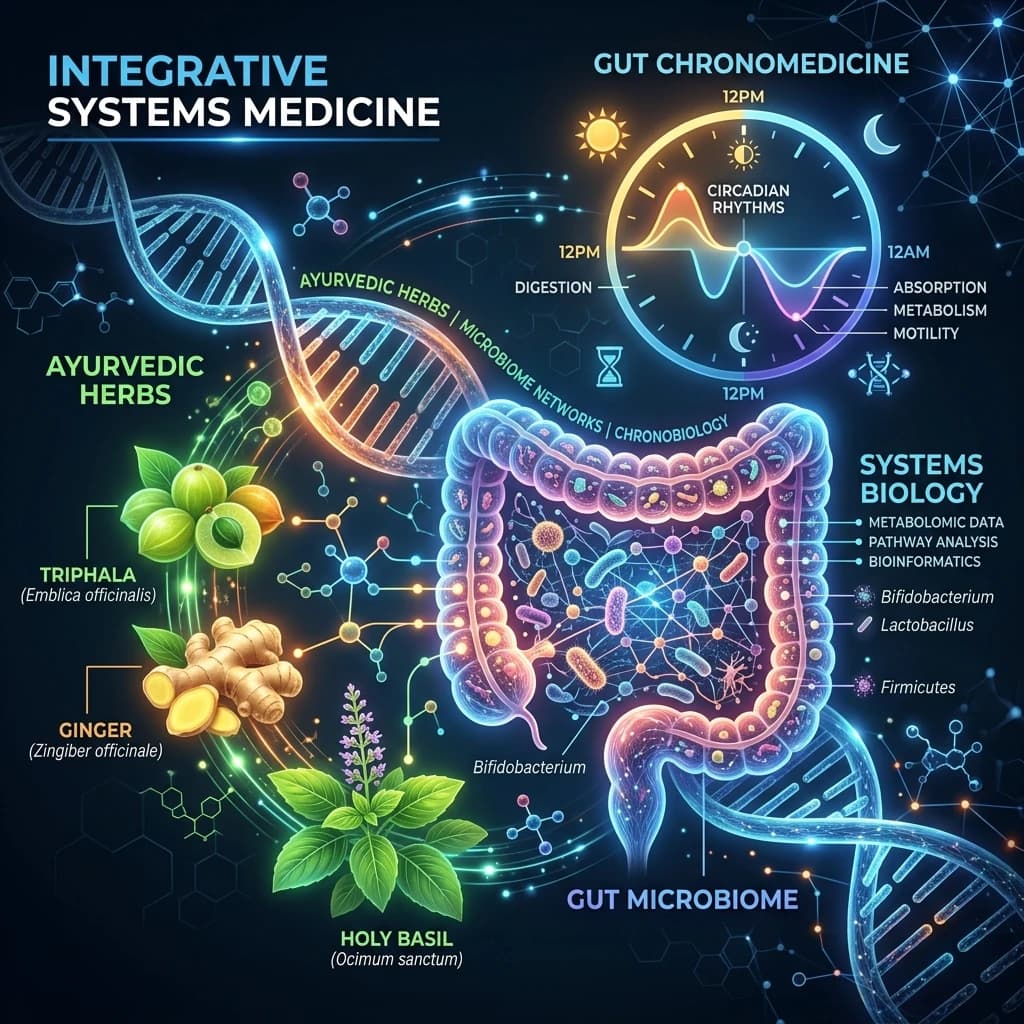
Ayurveda Meets Systems Biology: Agni, Chronomedicine, and Botanical Synergy in Modern Clinical Science
Ayurveda Meets Systems Biology: Agni, Chronomedicine, and Botanical Synergy in Modern Clinical Science The 2025–2026 wave of systems biology research has made an unambiguous statement: the three pilla…