Integrative Ayurveda: Clinical Validation of Arjuna for CAD, Shatavari for Reproductive Health, and Vasaguduchyadi for Sickle Cell Disease
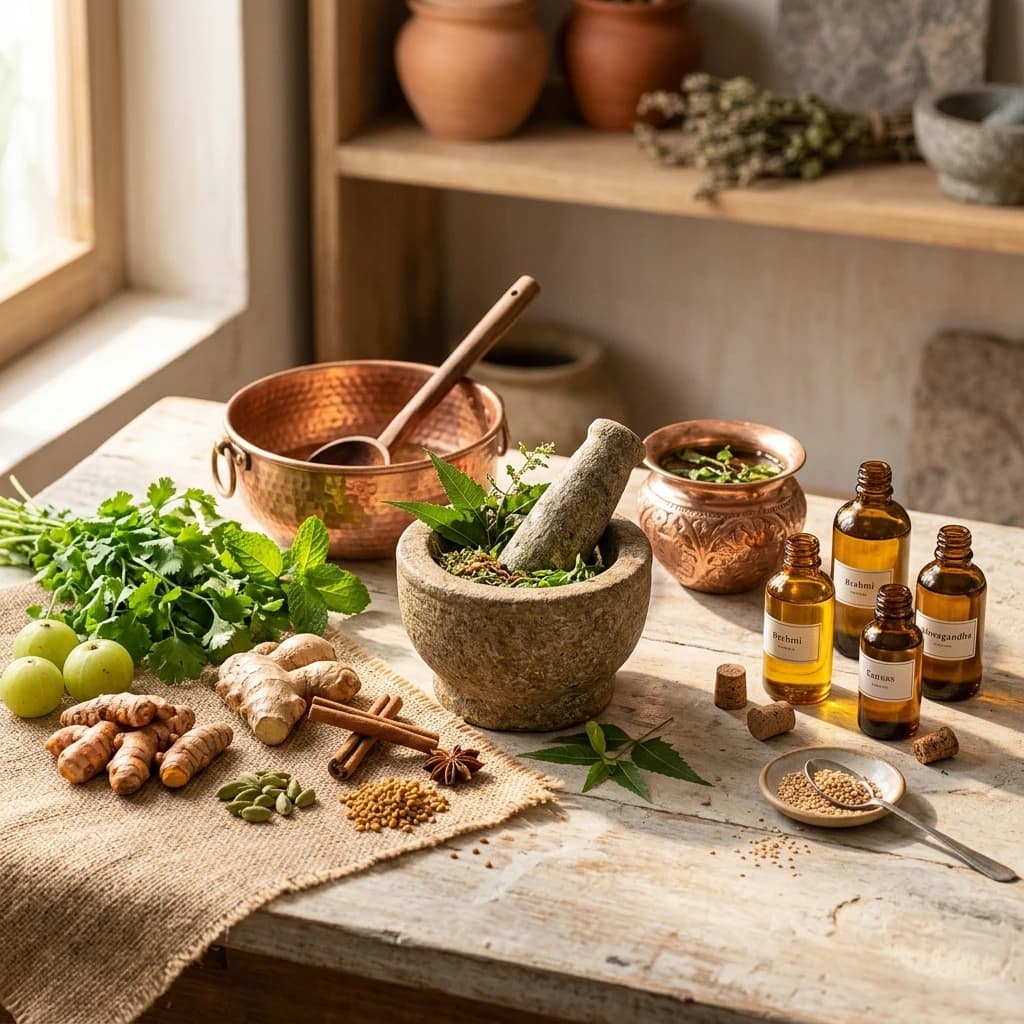
Integrative Ayurveda: Clinical Validation of Arjuna for CAD, Shatavari for Reproductive Health, and Vasaguduchyadi for Sickle Cell Disease
As the gap between ancient healing systems and modern clinical science continues to narrow, recent clinical trials are shedding new light on traditional Indian medicine (AYUSH). This week, we examine the therapeutic validation of Terminalia arjuna as an adjunct therapy for coronary artery disease, the proven efficacy of Shatavari for female reproductive and sexual wellness, and a pioneering study on the integrated Ayurvedic regimen Vasaguduchyadi Kwatha for managing sickle cell disease. These developments demonstrate how classical herbomineral formulations and therapeutic protocols can work hand-in-hand with conventional medicine to offer robust, patient-friendly solutions for complex conditions.
🌿 Cardioprotective Synergy: Terminalia arjuna in Coronary Artery Disease
In classical Ayurveda, Terminalia arjuna (Arjuna) has long been revered as Hridya—a premier heart tonic capable of strengthening the cardiac muscle, improving circulation, and nourishing the blood. From an Ayurvedic energetic perspective, Arjuna possesses Kashaya rasa (astringent taste), Ruksha (dry) and Laghu (light) gunas (properties), and a Sheeta veerya (cooling potency). These properties allow it to balance the Pitta and Kapha doshas, soothe inflammation in the blood vessels, and prevent the accumulation of metabolic toxins (Ama) within the circulatory channels (Srotas). Traditionally administered as a milk decoction (Arjuna Ksheerapaka), it has served as a foundational remedy for chest pain, heart palpitations, and general circulatory congestion.
Modern cardiology research has increasingly focused on validating these traditional claims through rigorous clinical trials. In a randomized, parallel-group clinical study published in mid-2026, researchers investigated the efficacy of standardized Terminalia arjuna bark extract when used as an add-on therapy for patients with Coronary Artery Disease (CAD). The study evaluated patients who were already receiving conventional cardiac treatments, splitting them into an intervention group receiving the adjunctive Ayurvedic extract and a control group receiving conventional therapy alone.
The clinical outcomes after the trial period were highly encouraging. Patients in the integrated treatment group demonstrated statistically significant improvements compared to the control group, including a greater distance covered during the standardized 6-minute walk test, a significant improvement in left ventricular ejection fraction (LVEF), and a more favorable lipid profile with reduced total cholesterol and triglyceride levels. Pharmacological analyses attribute these benefits to Arjuna's rich profile of bioactive triterpenoids (such as arjunolic acid) and flavonoids, which exhibit robust antioxidant, anti-ischemic, and mild vasodilatory properties. By showing that Arjuna can safely complement standard heart medications, this research opens new pathways for integrative cardiovascular care.
🌸 Hormone and Vitality Balance: Shatavari for Female Wellness and PCOS
Asparagus racemosus (Shatavari) is historically celebrated as the premier female rejuvenative tonic (Rasayana) in the Ayurvedic pharmacopoeia. Translated literally as "she who possesses a hundred husbands," the name alludes to the herb's capacity to support reproductive health, vitality, and systemic strength. Energetically, Shatavari is characterized by Madhura (sweet) and Tikta (bitter) rasas (tastes), Snigdha (unctuous) and Guru (heavy) gunas, and a Sheeta veerya (cooling potency). This composition allows it to pacify both Vata and Pitta doshas, nourish Shukra Dhatu (reproductive tissue), and act as a natural demulcent to soothe and moisten dry, irritated mucous membranes.
In recent months, a series of clinical trials has provided strong scientific validation for Shatavari's therapeutic applications. A randomized, double-blind, three-armed, placebo-controlled study published in February 2026 evaluated the effects of Shatavari root extract (SHT) and a combination of Shatavari with Ashwagandha (SHT-ARE) on female sexual health. Involving 135 female participants over a multi-week period, the study found that the combination formula (SHT-ARE) significantly improved arousal, lubrication, orgasm, and overall sexual function scores compared to the placebo group, illustrating the herb's role as a potent natural adaptogen.
Furthermore, Shatavari has shown remarkable clinical utility in managing endocrine disorders and transitional phases. Research published in late 2025 and early 2026 has validated its use in reducing perimenopausal symptoms, such as hot flashes, sleep disturbances, and mood swings. Additionally, studies investigating a standardized Shatavari extract (CL22205) demonstrated significant improvements in ovarian morphology, androgen balance, and insulin resistance among women diagnosed with Polycystic Ovary Syndrome (PCOS). These findings suggest that Shatavari acts as a natural endocrine modulator, helping restore hormonal equilibrium and metabolic health in women across different stages of life.
🩸 Integrative Hematology: Vasaguduchyadi Kwatha in Sickle Cell Disease
Sickle Cell Disease (SCD) is a debilitating genetic disorder characterized by the production of abnormal, sickle-shaped hemoglobin, which leads to chronic hemolytic anemia, painful vaso-occlusive crises (VOCs), and progressive organ damage. In the language of Ayurveda, genetic and hereditary conditions are understood as Adhibala-pravritta vyadhi—diseases arising from anomalies in the primordial reproductive cells (Beejabhaga-avayava dusti). The pathogenesis of SCD manifests as a profound imbalance in the Vata and Pitta doshas, which impairs the quality of Rakta Dhatu (blood tissue) and disrupts the functions of the Yakrit (liver) and Pliha (spleen), the anatomical roots of the Raktavaha Srotas (circulatory system).
To address the complex nature of SCD, researchers at the All India Institute of Medical Sciences (AIIMS) in Bhopal have been conducting a Prospective, Randomized, Open-Label, Blinded End Point (PROBE) clinical trial. The study evaluates an integrated therapeutic regimen consisting of conventional standard-of-care (hydroxyurea) combined with three classical Ayurvedic formulations: Dadimadi Ghrita (a medicated pomegranate ghee designed to stimulate the digestive fire, or Agni, and promote tissue nourishment), Punarnavadi Mandura (a herbomineral formulation containing bioavailable iron calx and Punarnava to combat anemia and edema), and Vasaguduchyadi Kwatha (a traditional liquid decoction).
Vasaguduchyadi Kwatha plays a pivotal role in this regimen due to its unique combination of Vasaka (Adhatoda vasica) and Guduchi (Tinospora cordifolia). Vasaka acts as a potent blood purifier (Raktashodhaka) and anti-inflammatory agent, while Guduchi is a highly revered Rasayana and immunomodulator that helps protect red blood cells from oxidative stress and mechanical damage. The clinical trial, which completed patient follow-ups in late 2025 and moved to active data analysis in early 2026, aims to determine how this integrated approach impacts key hematological parameters—including hemoglobin S (HbS) and fetal hemoglobin (HbF) levels—as well as the frequency of painful vaso-occlusive crises. By combining Ayurvedic cytoprotective herbs with conventional therapeutics, this study represents a major step forward in integrative hematology.
📌 The Bottom Line
- arjuna-cad-trials: A mid-2026 clinical study demonstrates that Terminalia arjuna is a safe and effective adjunctive therapy for Coronary Artery Disease, improving physical endurance, cardiac ejection fraction, and lipid profiles.
- shatavari-female-wellness: Multiple clinical trials in 2025 and 2026 validate Shatavari for female reproductive health, showing significant improvements in sexual wellness, perimenopausal symptoms, and hormonal parameters in PCOS.
- vasaguduchyadi-scd-trials: An ongoing clinical trial at AIIMS Bhopal evaluates the integration of Vasaguduchyadi Kwatha, Dadimadi Ghrita, and Punarnavadi Mandura as a complementary approach to improve hematological health in Sickle Cell Disease.
Disclaimer: The information provided in this post is for educational and informational purposes only. It is not intended to be a substitute for professional medical advice, diagnosis, or treatment. Always seek the advice of your physician or other qualified health provider with any questions you may have regarding a medical condition.
Enjoyed this post?
Get our weekly digest delivered free.
Share this post:
Knowelth is reader-supported. We may earn a commission from links in this article at no extra cost to you. Read our disclosure.
Related Posts
Systems Biology, Circadian Dinacharya, and Gut-Agni Chrono-Nutrition: The Science Validating Ayurvedic Medicine
Systems Biology, Circadian Dinacharya, and Gut-Agni Chrono-Nutrition: The Science Validating Ayurvedic Medicine Modern healthcare is undergoing a paradigm shift from reductionist single-molecule thera…
Clinical Validation in Ayurveda: Cardiometabolic Formulations, Chrononutrition Agni Science, and Ayurgenomics in Ovarian Reserve
Clinical Validation in Ayurveda: Cardiometabolic Formulations, Chrononutrition Agni Science, and Ayurgenomics in Ovarian Reserve Traditional Indian medicine is undergoing a profound scientific renaiss…
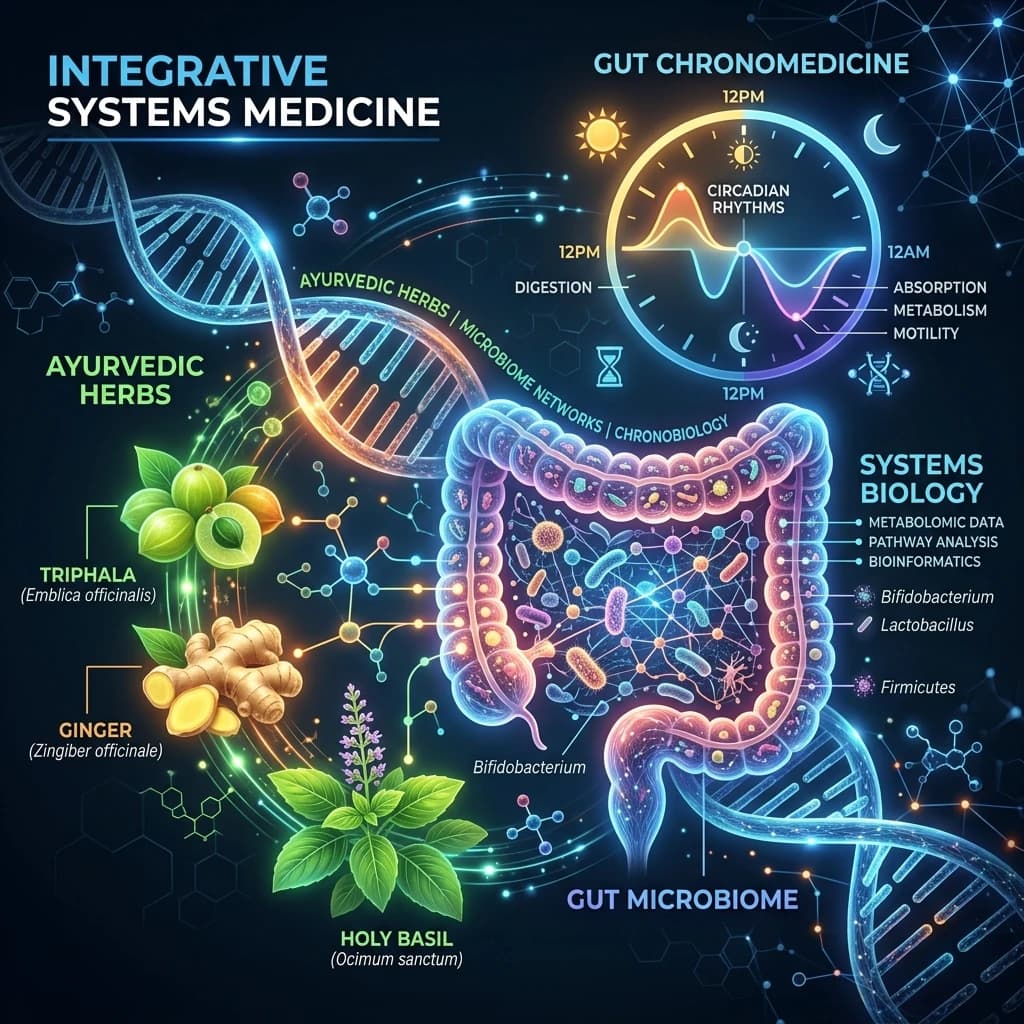
Ayurveda Meets Systems Biology: Agni, Chronomedicine, and Botanical Synergy in Modern Clinical Science
Ayurveda Meets Systems Biology: Agni, Chronomedicine, and Botanical Synergy in Modern Clinical Science The 2025–2026 wave of systems biology research has made an unambiguous statement: the three pilla…