Monoliths, Soapstone, and Solar Chariots: India’s Architectural Marvels of Ellora, Halebidu, and Konark
Monoliths, Soapstone, and Solar Chariots: India’s Architectural Marvels of Ellora, Halebidu, and Konark
India’s ancient and medieval stone temples stand not merely as places of worship, but as monumental achievements of imperial statecraft, mathematical precision, and geological mastery. Spanning top-down reverse monolithic excavations in volcanic basalt, microscopic filigree carving in metamorphic soapstone, and precision astronomical timekeeping in ferruginous sandstone, these monuments represent the zenith of classical Indian architecture.
This technical investigation explores three structural wonders of Indian lithic heritage: the top-down monolithic basalt excavation of the Kailasa Temple (Cave 16) at Ellora (Rashtrakuta dynasty), the stellate chloritic schist twin sanctuaries of the Hoysaleswara Temple at Halebidu (Hoysala Empire), and the astronomical solar chariot and wrought-iron structural engineering of the Sun Temple at Konark (Eastern Ganga dynasty).
🏛️ Kailasa Temple of Ellora: The Monolithic Basalt Wonder of the Rashtrakutas
8th-Century Reverse Excavation Engineering, 200,000-Ton Basalt Cleavage, and Dravidian Geometry
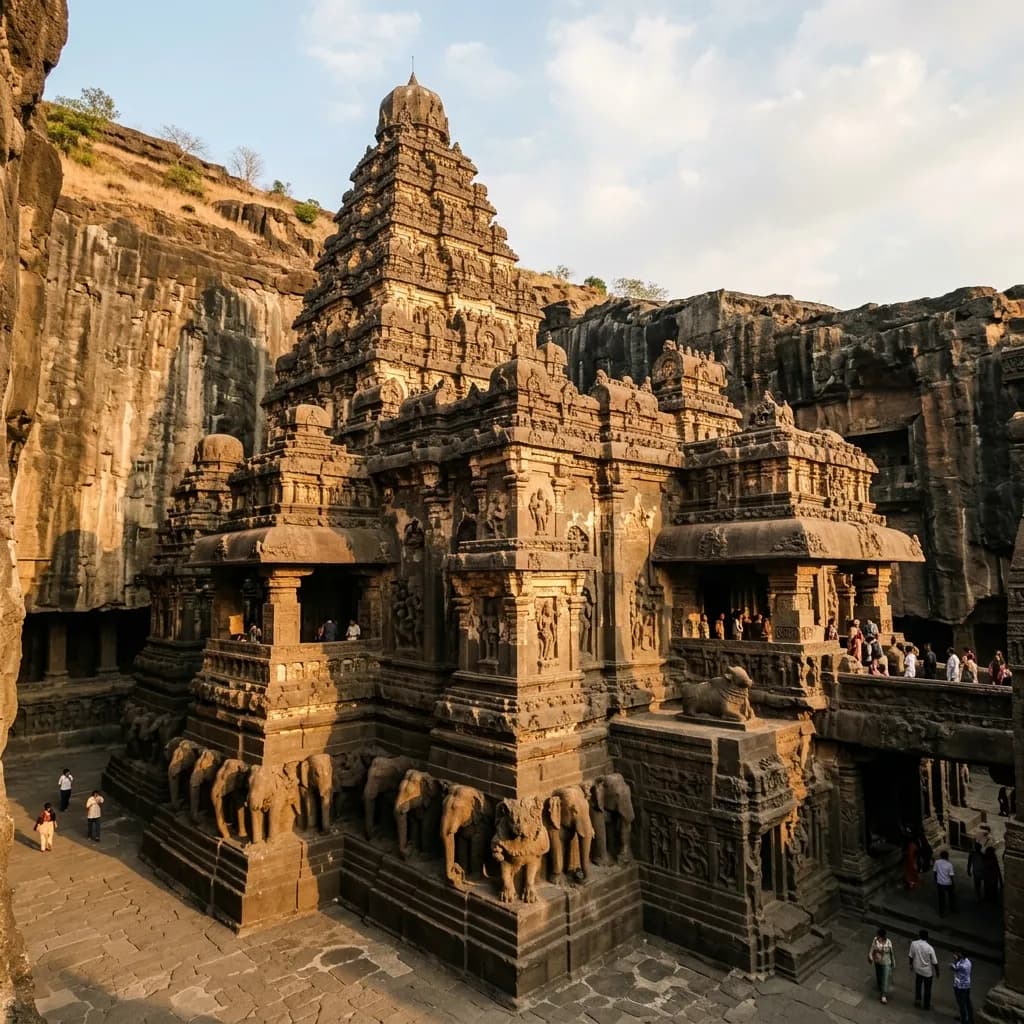
Macro-Historical Context and Rashtrakuta Imperial Sovereignty: Excavated out of a single monolithic basalt cliff in the Sahyadri ranges near Aurangabad, Maharashtra, Cave 16 (the Kailasa Temple) at Ellora is the largest monolithic rock-cut structure on Earth. Commissioned during the mid-8th century CE under the royal patronage of the Rashtrakuta monarch King Krishna I (r. 756–773 CE) to commemorate the overthrow of the Badami Chalukyas, the monument was conceived as a physical manifestation of Mount Kailash dedicated to Lord Shiva.
                      [Ellora Cave 16 Reverse Excavation Sequence]
                                          │
                                          ▼
                      [Phase 1: Excavation of Three Deep Trenches]
                        (T-Shaped Trench: 107m Long × 33m Deep)
                                          │
                                          ▼
                      [Phase 2: Sculpting Central Monolithic Spire]
                     (Top-Down Carving from Crest to Ground Plinth)
                                          │
          ┌───────────────────────────────┴───────────────────────────────┐
          ▼                                                               ▼
[Upper Level: Dravidian Vimana Spire]                           [Lower Level: Monolithic Plinth & Hall]
• Octagonal Shikhara Dome (Height: 32.6 m)                      • Life-Sized Elephant & Lion Matrix
• Sukanasa Gables & Sala Roof Pavilions                         • 16-Column Hypostyle Maha-Mandapa
• Free-Standing 50-ft Dhwajasthambhas                           • Free-Standing Monolithic Nandi Mandapa
Structural and Lithic Engineering Metrics:
| Architectural Parameter | Kailasa Temple (Cave 16) Specification | Civil Engineering Significance |
|---|---|---|
| Excavated Trench Dimensions | 107 m Deep × 60 m Wide × 33 m High | Largest continuous manual stone extraction in antiquity |
| Total Rock Mass Displaced | ~200,000 to 400,000 Metric Tons | Excavated entirely using manual iron chisels, wedges, and hammers |
| Excavation Methodology | Vertical Top-Down "Reverse Quarrying" | Zero scaffolding required; zero room for structural or dimensional error |
| Lithic Raw Medium | Deccan Traps Tholeiitic Basalt | Fine-grained volcanic basalt with extreme compressive strength (> 220 MPa) |
| Sanctum Height (Vimana) | 32.6 Meters (107 Feet) | Rises freestanding within the hollowed mountain trench |
| Masterpiece Relief Panel | Ravananugraha (Ravana Shaking Kailash) | 3.5-meter deep multi-tiered undercut bas-relief on southern plinth |
The Reverse Excavation Engineering Feat: Unlike conventional structural architecture where blocks are hoisted upward, the Rashtrakuta Sthapatis (master architects, traditionally attributed to the legendary artisan Kokasa) began at the summit of the mountain. Masons cut three vertical trenches into the basalt hill to isolate an enormous rectangular rock core measuring 50 × 33 × 30 meters. Working downward in synchronized tiers, sculptors carved the crowning shikhara, roof pavilions, interior columned halls, life-sized elephants, and two 50-foot freestanding Dhwajasthambha victory pillars without a single structural joint or mortar line.
🗿 Hoysaleswara Temple of Halebidu: Chloritic Schist Mastery under the Hoysalas
12th-Century Stellate Ground Plans, Microscopic Soapstone Filigree, and Sculptor Epigraphy
The Golden Age of Dwarasamudra: Located in Halebidu, Hassan district, Karnataka (the medieval capital Dwarasamudra), the Hoysaleswara Temple represents the peak of Hoysala architectural craftsmanship. Initiated around 1121 CE under King Vishnuvardhana (r. 1108–1142 CE) and funded alongside the wealthy merchant Ketamalla, the twin-shrine complex (dedicated to Hoysaleswara and Shantaleswara) was sculpted over four decades of sustained royal and guild patronage, earning inscription as a UNESCO World Heritage Site under the "Sacred Ensembles of the Hoysalas".
                      [Hoysaleswara Stellate Dvikuta Plan]
                                       │
                                       ▼
                   [Raised Star-Shaped Platform (Jagati Plinth)]
                     (Maximizes Exterior Wall Surface Area)
                                       │
          ┌────────────────────────────┴────────────────────────────┐
          ▼                                                         ▼
[Hoysaleswara Sanctum (South Axis)]                       [Shantaleswara Sanctum (North Axis)]
• Stellate Star-Shaped Outer Walls                        • Symmetrical Stellate Ground Plan
• Lathe-Turned Soapstone Navaranga                        • Lathe-Turned Soapstone Navaranga
• Dedicated Nandi Pavilion (East)                         • Dedicated Nandi Pavilion (East)
          │                                                         │
          └────────────────────────────┬────────────────────────────┘
                                       │
                                       ▼
                   [Eight Continuous Horizontal Exterior Friezes]
              1. Elephants (Strength) ────► 2. Lions (Courage)
              3. Horses (Speed)       ────► 4. Floral Vines (Beauty)
              5. Puranic Epics        ────► 6. Makaras (Water) ────► 7. Hamsas (Wisdom)
Material Science and Sculptural Density of Chloritic Schist:
| Architectural Metric | Hoysaleswara Specification | Material Science / Artistic Advantage |
|---|---|---|
| Lithic Raw Medium | Metamorphic Chloritic Schist (Soapstone) | Soft talc-chlorite matrix when quarried; hardens via atmospheric oxidation |
| Ground Plan Geometry | Dvikuta (Twin Sanctums) on Stellate Base | 32-pointed star plan creating dramatic light and shadow contrasts |
| Exterior Frieze Continuity | 8 Continuous Horizontal Registers | Measures over 700 linear feet of unbroken relief carving |
| Pillar Craftsmanship | Lathe-Turned Mirror-Polished Columns | Mechanically turned circular shafts showing zero radial runout |
| Window Architecture | Pierced Stone Lattice Screens (Jali) | Perforated geometric soapstone screens filtering soft interior light |
| Master Sculptor Signatures | Epigraphs of Dasoja, Mallitamma, Maba | Rare personal signatures of individual medieval artists carved on plinths |
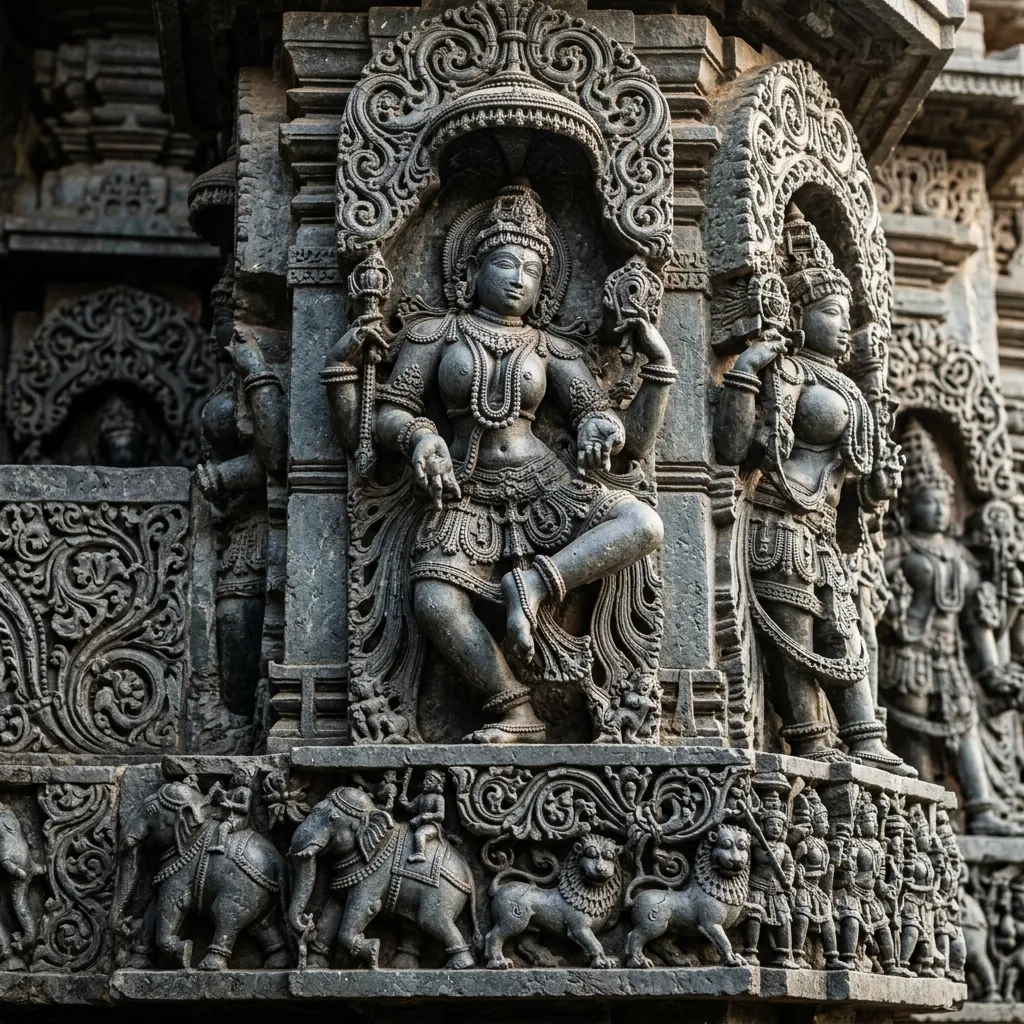
Figure 1: Intricate stone craftsmanship and architectural elements at Hoysaleswara Temple.
The Eight-Tiered Frieze Encyclopedia: The exterior base of the Hoysaleswara Temple features eight continuous horizontal friezes. The lowest tier contains over 2,000 carved elephants, each depicted in a unique posture; above them are marching lions, charging cavalry horses, flowing floral vines, narrative scenes from the Ramayana, Mahabharata, and Bhagavata Purana, mythical sea monsters (Makaras), and celestial swans (Hamsas). Above these registers stand 240 life-sized statues of deities and Madanikas displaying intricate undercut jewelry, lace-like drapery, and anatomical fluidity.
🔱 Sun Temple of Konark: The Kalinga Solar Chariot of King Narasimhadeva I
13th-Century Astronomical Sundials, Khondalite Lithic Engineering, and Wrought-Iron Cantilevers
The Maritime "Black Pagoda" of the Eastern Gangas: Rising near the shores of the Bay of Bengal in Odisha, the 13th-century Sun Temple of Konark (Surya Deula) was commissioned around 1250 CE by Emperor Narasimhadeva I of the Eastern Ganga dynasty. Built to commemorate military triumphs over the Delhi Sultanate and honor Surya, the Sun God, the temple was engineered as a colossal celestial stone chariot mounted on 24 astronomically calibrated wheels and pulled by seven galloping stone horses.
                      [Konark Sun Temple Architectural Plan]
                                          │
                                          ▼
                      [Colossal Solar Chariot on 24 Stone Wheels]
                                          │
          ┌───────────────────────────────┴───────────────────────────────┐
          ▼                                                               ▼
[Jagamohana (Assembly Hall)]                                    [Nata Mandira (Dance Pavilion)]
• Pyramidal Roof with 3 Stepped Tiers                           • Hypostyle Open Hall of 64 Pillars
• Forged Iron Cantilever Support Beams                          • Detailed Sculptures of Odissi Dance
• Surasundaris Playing Cymbals & Drums                          • Elevated Plinth with Battle Friezes
          │                                                               │
          └───────────────────────────────┬───────────────────────────────┘
                                          │
                                          ▼
                      [24 Astronomical Sundial Wheels]
                       • 12 Major Spokes & 12 Minor Spokes
                       • Accurate Timekeeping down to Minutes
Engineering Specifications of the Konark Sundial Wheels:
| Engineering Metric | Scientific Parameter | Chronometric / Structural Role |
|---|---|---|
| Wheel Diameter & Count | 24 Wheels (Diameter: 3.0 m / 9.8 ft) | Represents the 24 fortnights (Pakshas) of the Hindu solar-lunar calendar |
| Spoke Architecture | 8 Major Radial Spokes + 8 Minor Spokes | Divides the 24-hour day into 8 Prahars (3-hour astronomical periods) |
| Timekeeping Resolution | Shadow of Hub & Spokes | Calculates local solar time to within 3 minutes of accuracy |
| Lithic Raw Medium | Khondalite, Chlorite, & Laterite | Green chlorite used for sanctum idols; khondalite for main chariot walls |
| Metallurgical Innovation | Wrought-Iron Cantilever Beams | Massive forged iron beams (up to 10 m long) supporting heavy stone lintels |
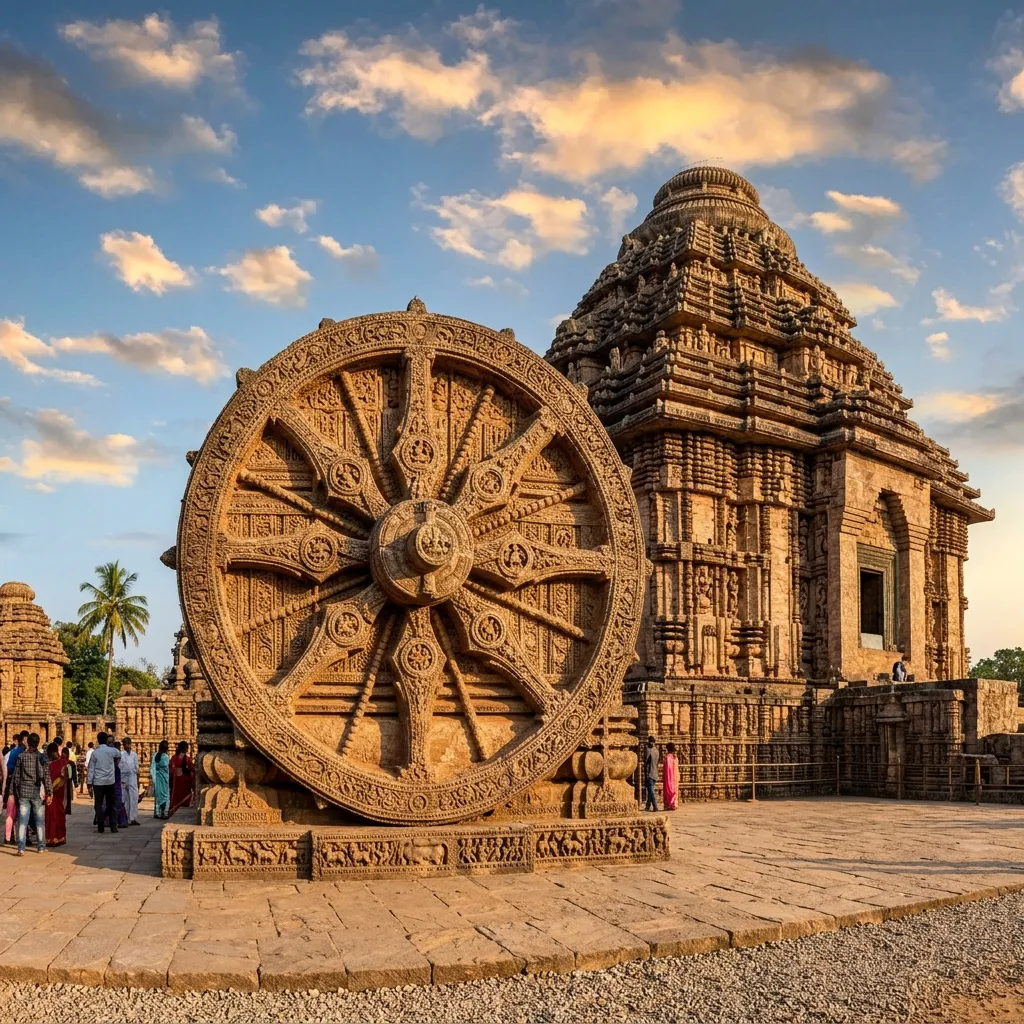
Figure 2: Architectural design and monumental structures at Sun Temple of Konark.
Metallurgical and Structural Innovations: To bridge the massive 10-meter open spans within the Jagamohana and support the immense compressive load of the stepped pyramidal roof, master architect Bisu Maharana employed heavy forge-welded iron beams weighing up to 9 tons each. Modern chemical assays show these 13th-century beams have high phosphorus and low carbon contents, creating a protective passive oxide film that has prevented structural corrosion across eight centuries of salt-laden maritime winds.
📊 Comparative Architectural & Engineering Matrix
| Parameter | Kailasa Temple (Ellora) | Hoysaleswara Temple (Halebidu) | Sun Temple (Konark) |
|---|---|---|---|
| Dynastic Patron | Rashtrakutas (Krishna I) | Hoysala Empire (Vishnuvardhana) | Eastern Gangas (Narasimhadeva I) |
| Chronological Date | c. 756 – 773 CE | c. 1121 – 1160 CE | c. 1250 CE (13th Century) |
| Lithic Raw Material | Deccan Traps Tholeiitic Basalt | Metamorphic Chloritic Schist | Ferruginous Khondalite Sandstone |
| Architectural Typology | Monolithic Top-Down Rock-Cut | Stellate Dvikuta Structural Temple | Kalinga Chariot Sanctuary |
| Pinnacle Engineering Feat | 200,000-ton vertical mountain excavation | Microscopic undercut soapstone friezes | 24 Precision Sundials & Forged Iron Beams |
| Sanctum Dedication | Shiva (Mount Kailash) | Shiva (Hoysaleswara & Shantaleswara) | Surya (The Sun God) |
📌 The Bottom Line
- kailasa-ellora: The world's largest monolithic rock-cut structure, excavated top-down from a single basalt cliff displacing over 200,000 metric tons of rock under Rashtrakuta King Krishna I; features a 32.6-meter freestanding Dravidian Vimana, monolithic elephants, and the masterwork Ravananugraha relief panel.
- hoysaleswara-halebidu: The 12th-century UNESCO World Heritage twin-sanctum masterpiece sculpted in soft chloritic schist (soapstone); set upon a 32-pointed star-shaped (stellate) plinth with eight continuous horizontal relief friezes encompassing over 2,000 unique elephant sculptures and signed masterworks by sculptors Mallitamma and Dasoja.
- sun-temple-konark: The 13th-century Kalinga crowning monument conceived as a monumental solar chariot; features 24 astronomical stone wheels capable of measuring local solar time within 3 minutes of accuracy, supported by 9-ton forge-welded wrought iron cantilever beams.
📬 Stay Updated
Get India's heritage and history stories delivered to your inbox every week. Subscribe to our free newsletter →
Disclosure: This post contains affiliate links. If you purchase through our links, we earn a small commission at no extra cost to you. We only recommend products we believe in.
Enjoyed this post?
Get our weekly digest delivered free.
Share this post:
Knowelth is reader-supported. We may earn a commission from links in this article at no extra cost to you. Read our disclosure.
Related Posts
Stone Chronicles of Sovereignty and Democracy: The Epigraphic Legacy of Aihole's Meguti Temple, Uttiramerur's Assembly Inscriptions, and the Royal Reliefs of Hampi's Hazara Rama
Stone Chronicles of Sovereignty and Democracy: The Epigraphic Legacy of Aihole's Meguti Temple, Uttiramerur's Assembly Inscriptions, and the Royal Reliefs of Hampi's Hazara Rama Across the diverse lan…
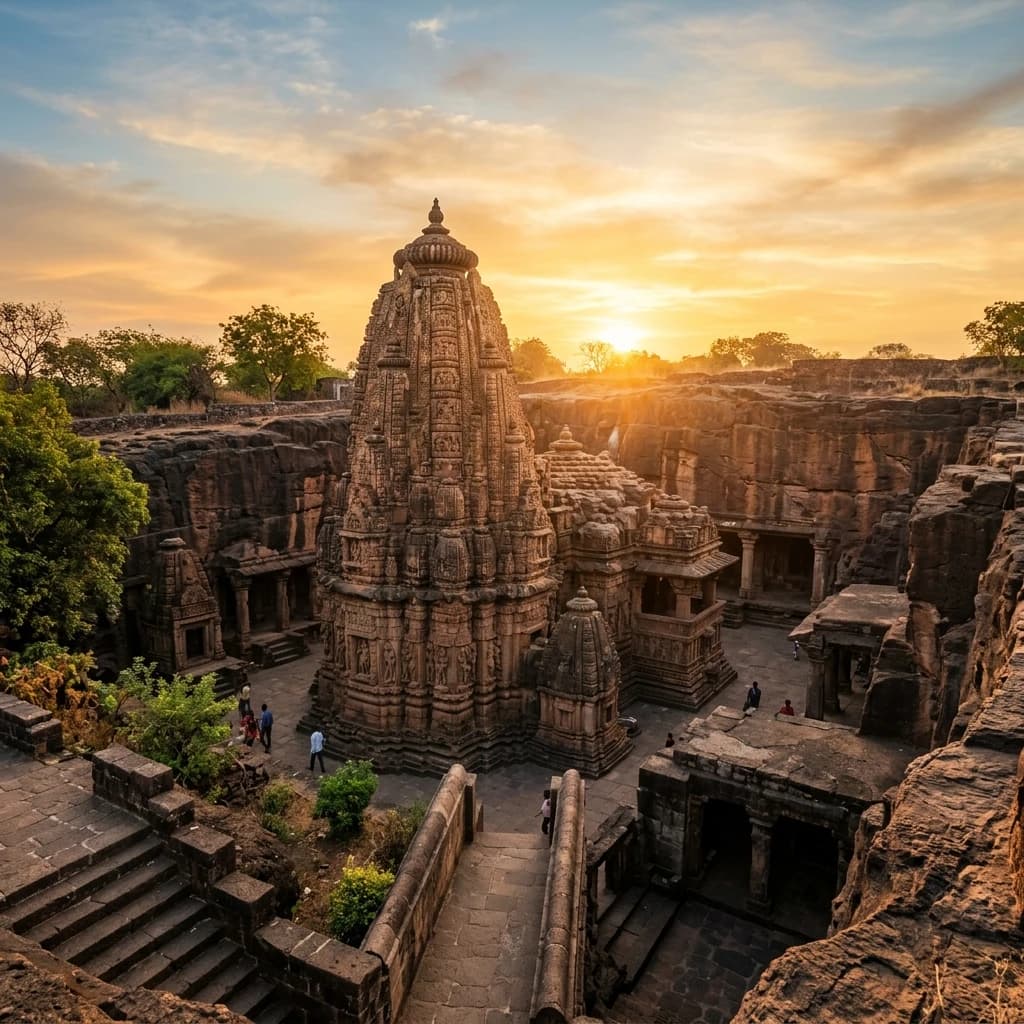
Monolithic Cliffs, Alpine Spires, and Chariots of Stone: The Architectural Feats of Dhamnar, Baijnath, and Melkadambur
Monolithic Cliffs, Alpine Spires, and Chariots of Stone: The Architectural Feats of Dhamnar, Baijnath, and Melkadambur Across the vast geographical expanse of the Indian subcontinent, ancient and medi…
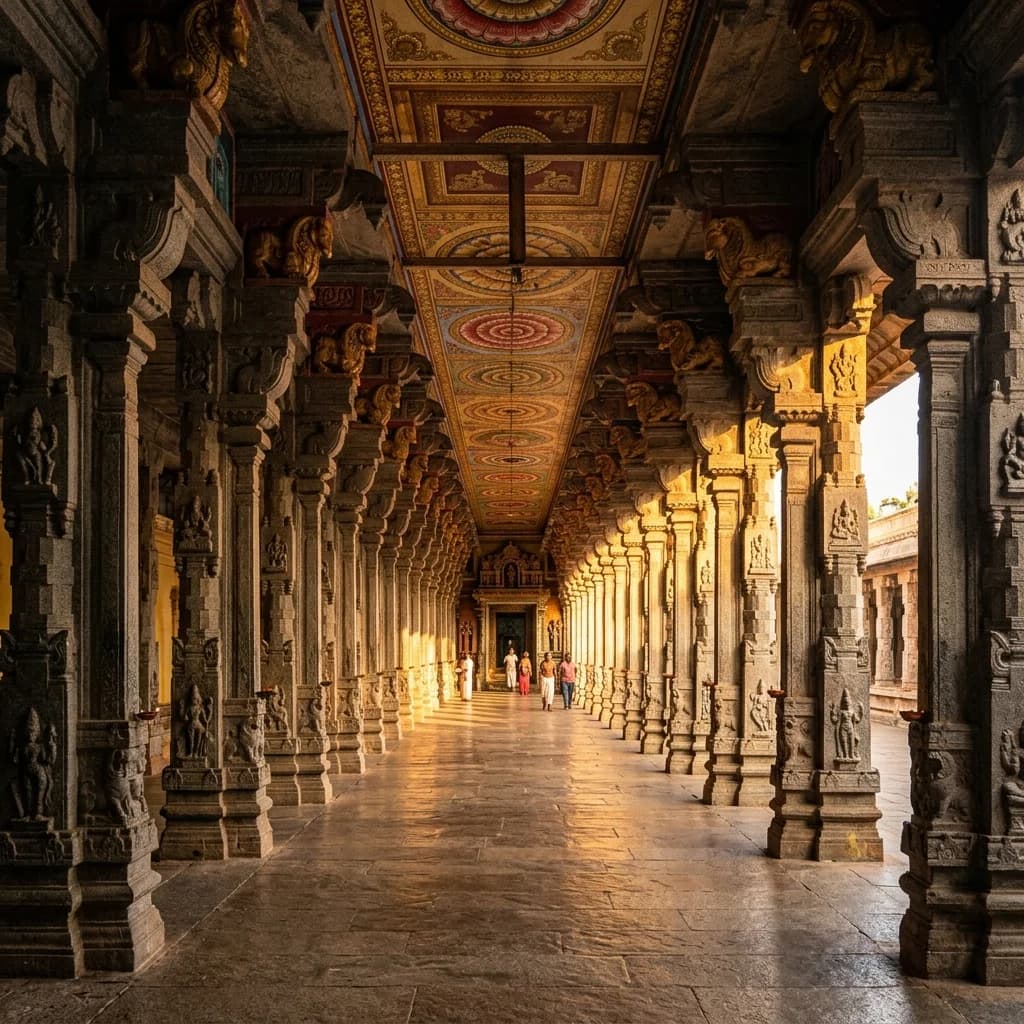
Sacred Corridors, Interlocking Stone Chains, and Thousand-Pillar Sanctuaries: The Architectural Marvels of Rameswaram, Kanchipuram, and Moodabidri
Sacred Corridors, Interlocking Stone Chains, and Thousand-Pillar Sanctuaries: The Architectural Marvels of Rameswaram, Kanchipuram, and Moodabidri Across the Indian subcontinent, sacred architecture r…